As 2025 commenced, the art world faced new challenges, revealing long-standing tensions. DEI initiatives were curtailed amid increasing political influence on museum narratives, with public disputes over representation and authorship becoming more prominent. In July, Amy Sherald pulled her American Sublime exhibition from the Smithsonian’s National Portrait Gallery due to concerns over curatorial restrictions, later exhibiting at the Baltimore Museum of Art. This move highlighted how artists are not just working within institutions but are finding alternative paths.
The Philadelphia Art Museum’s governance issues reflected broader renegotiations of authority and leadership within the art sector. Across labor, authorship, and governance, new precedents were being established without a clear future direction. By the end of the year, the changing institutional landscape was evident through significant and assertive decisions, emphasizing the unsettled nature of the field.
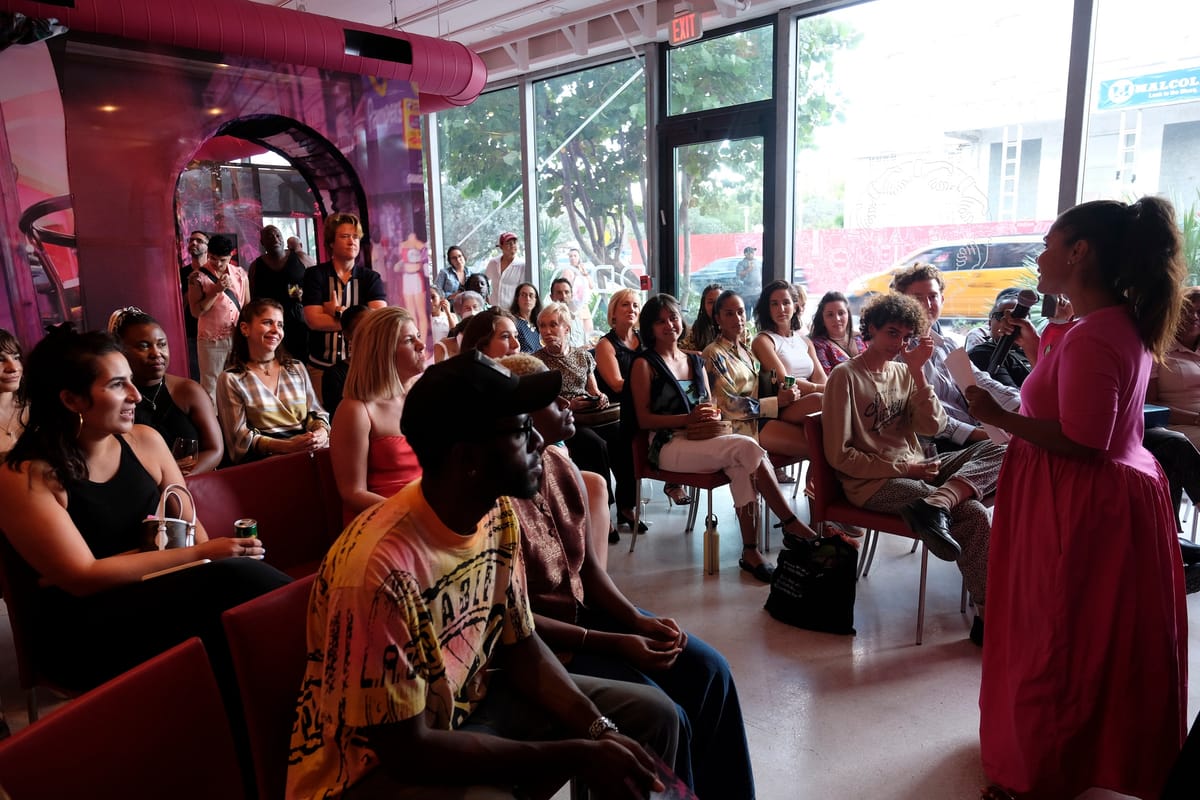
In early 2026, I conversed with curator eunice bélidor and arts administrator Dejha Carrington about increasing scrutiny on museums. We work closely with institutions, recognizing their importance while exploring evolving roles. These discussions, although familiar, felt crucial to document. bélidor, a scholar at Concordia University, focuses on curatorial practices and speculative archives. Carrington co-founded Commissioner, fostering community-led art funding models. I co-founded VERGE, aligning talent with institutions for mutual success.
Our conversation aimed to rethink reductive views of art museums. As the art landscape evolves, cultural workers, artists, and audiences question the purpose and operation of museums. Carrington noted the problematic conflation of art with mere content. bélidor emphasized that art transcends content, being a means of storytelling and energy channeling.
This dialogue explored the fluid nature of art and its impact on communities. Carrington’s work with Commissioner expands where and how art is experienced, highlighting the importance of personal and generational narratives. Institutions remain vital but should not overshadow intimate, diverse stories shared beyond formal spaces. Cultivating multiple perspectives strengthens the art ecosystem.