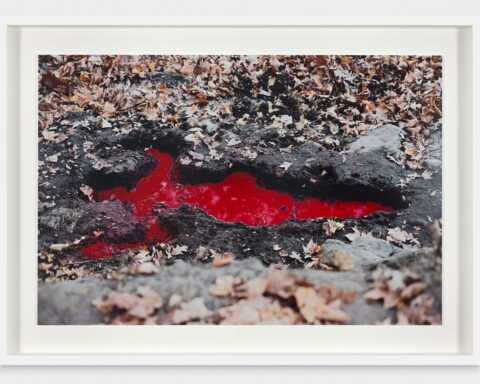
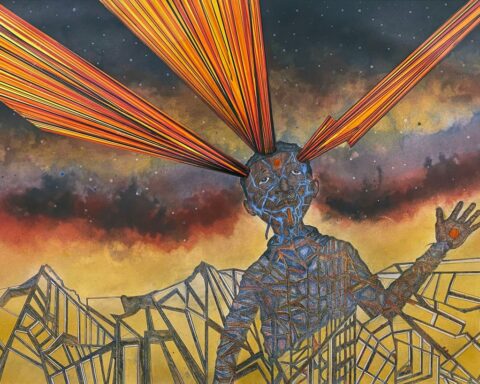
Genocide seeks to avoid scrutiny and evade acknowledgment. On December 29, 2023, South Africa brought a case against Israel at the International Court of Justice, accusing it of genocide in the Gaza Strip. This bold move, which no other nation has dared to make, has exposed South Africa to potential global backlash. Surprisingly, this retaliation seems to originate from within its own government. South Africa’s Arts and Culture Minister Gayton McKenzie has deviated from the government’s official stance on the Israeli-Palestinian conflict by unilaterally canceling Gabrielle Goliath’s video installation, Elegy, as the country’s entry for the 61st Venice Biennale. This decision has shocked many who anticipated the pavilion’s exploration of ongoing genocides.
The five-member selection committee for the South African pavilion, who unanimously chose Goliath in December, responded with an open letter condemning the move. They stated, “We therefore reject, without reservation, any effort to coerce artists or curators into altering artistic statements to serve political narratives.” The committee emphasized their opposition to censorship and intimidation that restricts artistic freedom and cultural autonomy, which they believe goes against democratic and cultural values.
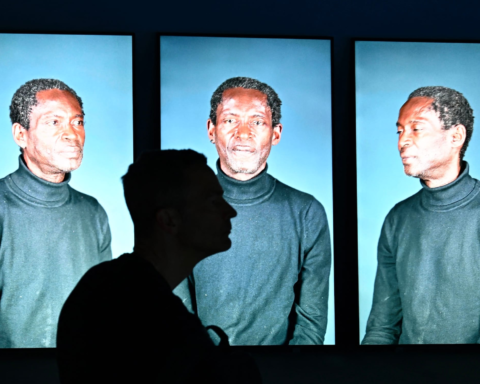
Elegy, a sound and video installation by Goliath, has been evolving since 2015 and represents a collective expression of grief and remembrance. Its cancellation recalls similar instances in the art world, such as the Whitney Museum of American Art’s abrupt cancellation of a performance addressing Palestinian mourning in May 2025. These actions highlight ongoing tensions between artistic expression and political pressures.
South Africa, historically seen as a symbol of revolutionary resistance against Apartheid, now faces criticism for what some perceive as a shift towards nationalism in the face of fascism and genocide. Goliath’s work, which extends beyond national borders to include historical genocides like that of the Herero in Namibia, invites global audiences to reflect on shared experiences of loss and survival. The decision to censor Elegy is seen as a misinterpretation of its message and an obstacle to broader dialogue on sociopolitical issues.
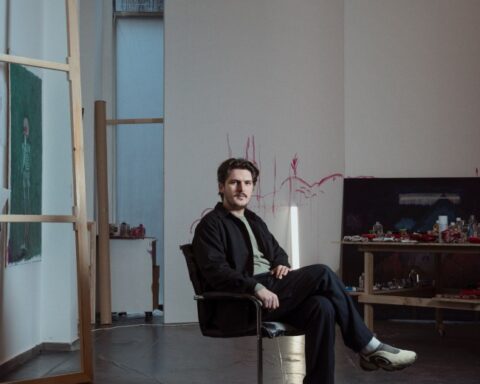
In a letter to South Africa’s Department of Sport, Arts and Culture, Goliath, alongside curator Ingrid Masondo and studio manager James Macdonald, criticized the pavilion’s potential termination as an abuse of power and a violation of free expression. They argue that the Venice Biennale offers a platform for South Africa to showcase its commitment to creative freedom and meaningful discourse. Without Elegy, the country’s ability to contribute to global conversations on post-catastrophe coexistence is diminished.