Welcome to the 212th edition of A View From the Easel, a series where artists introspect on their creative environments. In celebration of Pride Month, queer artists have been invited to share insights on creating studios wherever they go, using portraiture to empower, establishing safe spaces while crafting, and the impact of intergenerational memory.
If you’re interested in participating, please review our submission guidelines and share your studio story with us! We welcome all artistic mediums and workspace types, including home studios.
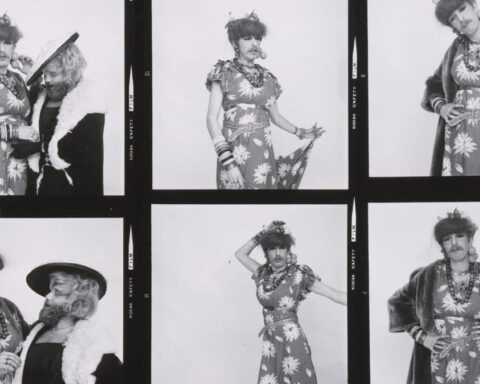
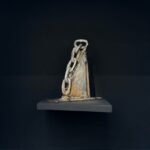
Jamie John from Traverse City, Michigan, describes how their studio and living space have always been unified. Growing up with unstable housing taught them to be a resourceful artist, capable of creating in any setting. Art has been integral to their life since the death of their maternal grandfather, Raymond John, when they were six. Following his passing, Jamie’s mother enrolled them in a children’s art therapy group, helping them express their experiences as a queer and trans Anishinaabe and Korean-American individual through various mediums.
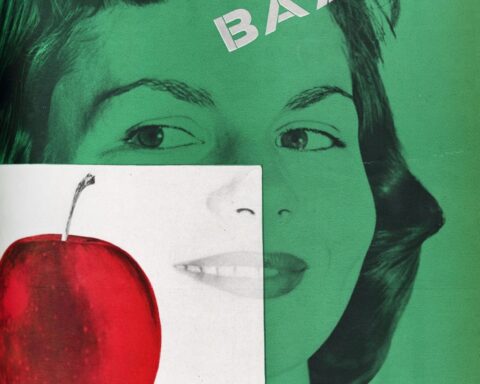
Melanie Delach, located in Ridgewood, New York, views her studio as a sanctuary. As a gay woman, she constantly reflects on the meaning of safe spaces. Her studio, situated in a lively building of creatives in Ridgewood, Queens, offers her a vast and secure environment for creativity, typically flourishing early in the morning or late in the evening. Melanie has transitioned from working in small spaces to having the freedom to be messy and inventive.
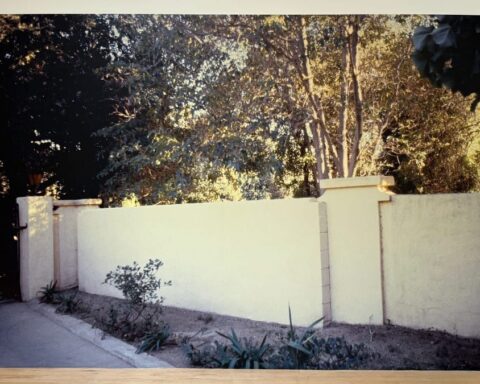
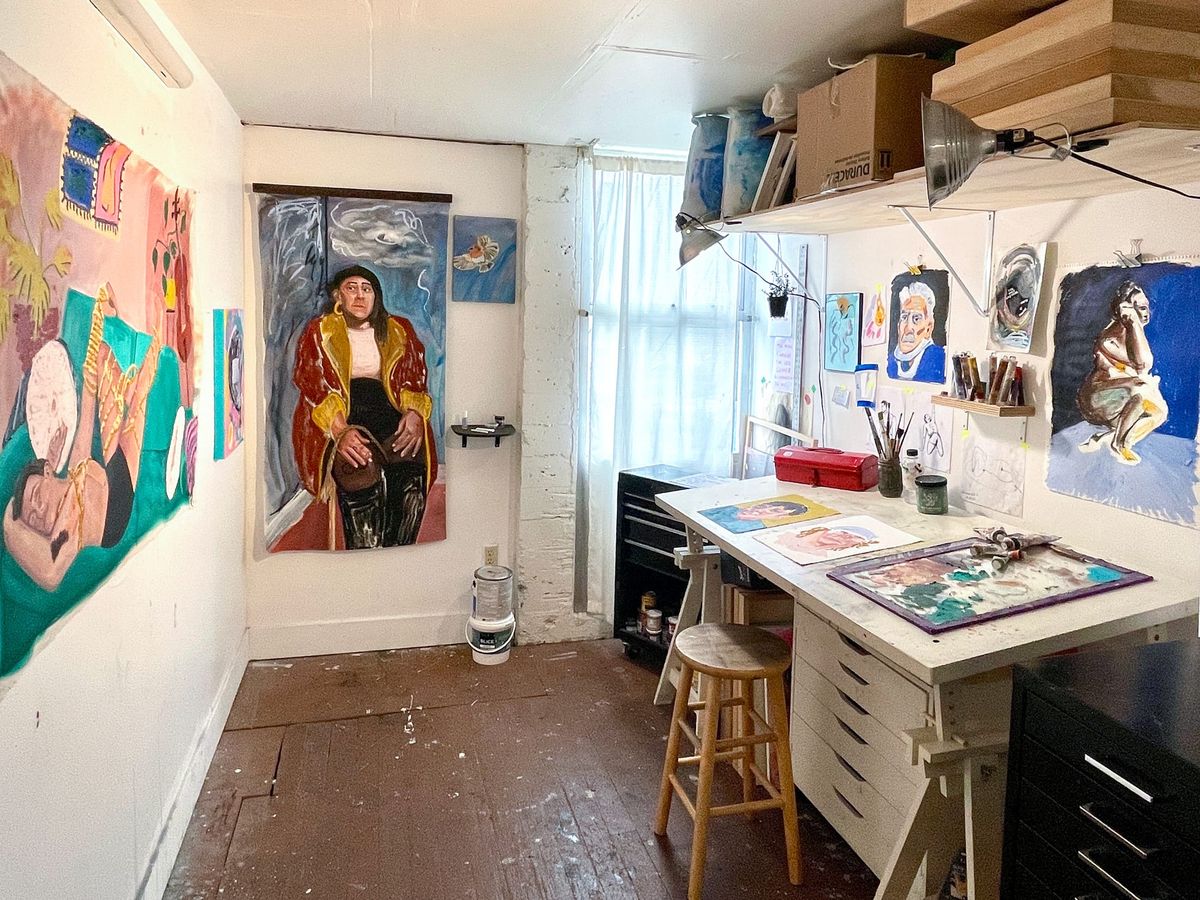
Aleo Landeta from Root Division in San Francisco, California, finds June to be a hectic yet beautiful time as a queer artist and educator. They balance ending the school year, featuring work in Pride exhibits, and celebrating queer resilience. Their studio is filled with encouragement notes and installation plans, surrounded by portraits from a series collaborated with their queer and trans community. These portraits begin with conversations exploring what empowerment and feeling at home in one’s body look like.
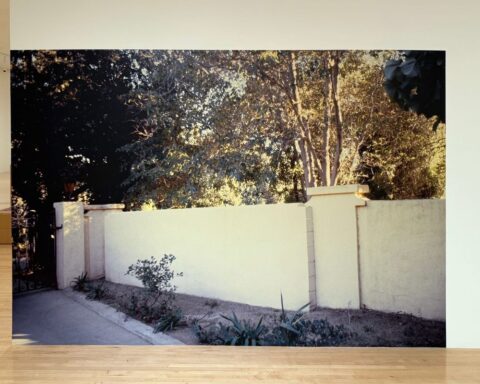
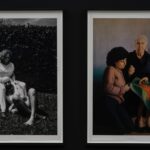
Prima Sakuntabhai, based in LA, highlights how travel—whether through physical movement, literature, memories, or imagination—disrupts their research-intensive practice, leading to unexpected insights. Prima’s work explores Thai political history, French revolutionary thought, and the role of immigrant Asian communities in shaping the U.S., aiming to shift perceptions of place, memory, and history from fixed to fluid narratives within global networks.