SANTA FE — The notion of being a real Indian artist producing real Indian art brings up profound questions, especially when it involves selling that art. James Luna (Payómkawichum, Ipai, and Mexican) explored this in his 1991 work “Take a Picture with a Real Indian,” where he invited visitors to photograph him or his cut-outs dressed in various attires. While some viewers catch the irony of showcasing an ‘authentic’ Native person as an artifact, they often unwittingly perpetuate the same voyeuristic tendencies exposed by the artwork.
These questions were palpable during the August 17 weekend at Santa Fe, New Mexico, when the Southwest Association for Indian Arts (SWAIA) hosted its annual Indian Market. Celebrating its 102nd edition, this event is one of North America’s largest art markets. Originating in 1922 as a settler-driven project to ‘preserve’ Native arts, it has evolved into a significant economic platform for Native artists, showcased by over 1,000 artists from diverse tribal nations, much like major contemporary art fairs worldwide.
However, unlike other art fairs, Indian Market centers the artists, with booths manned by Native artists and their close circles. This setup, while approachable, sometimes leads to unsettling interactions reminiscent of Luna’s performance, where buyers focus more on cultural exploration than on the art. Artists frequently encounter inappropriate questions and behavior, including being reduced to cultural representatives rather than individuals, echoing the themes of Luna’s work.
The market’s dependency on the settler gaze raises questions about whether SWAIA confines Native art to certain stereotypes. While some artworks challenge these confines, others, especially those not fitting into traditional depictions, find space in offsite venues. This dynamic underscores the lingering colonial influence and the market’s struggle with definitions of ‘authentic’ Indian art.
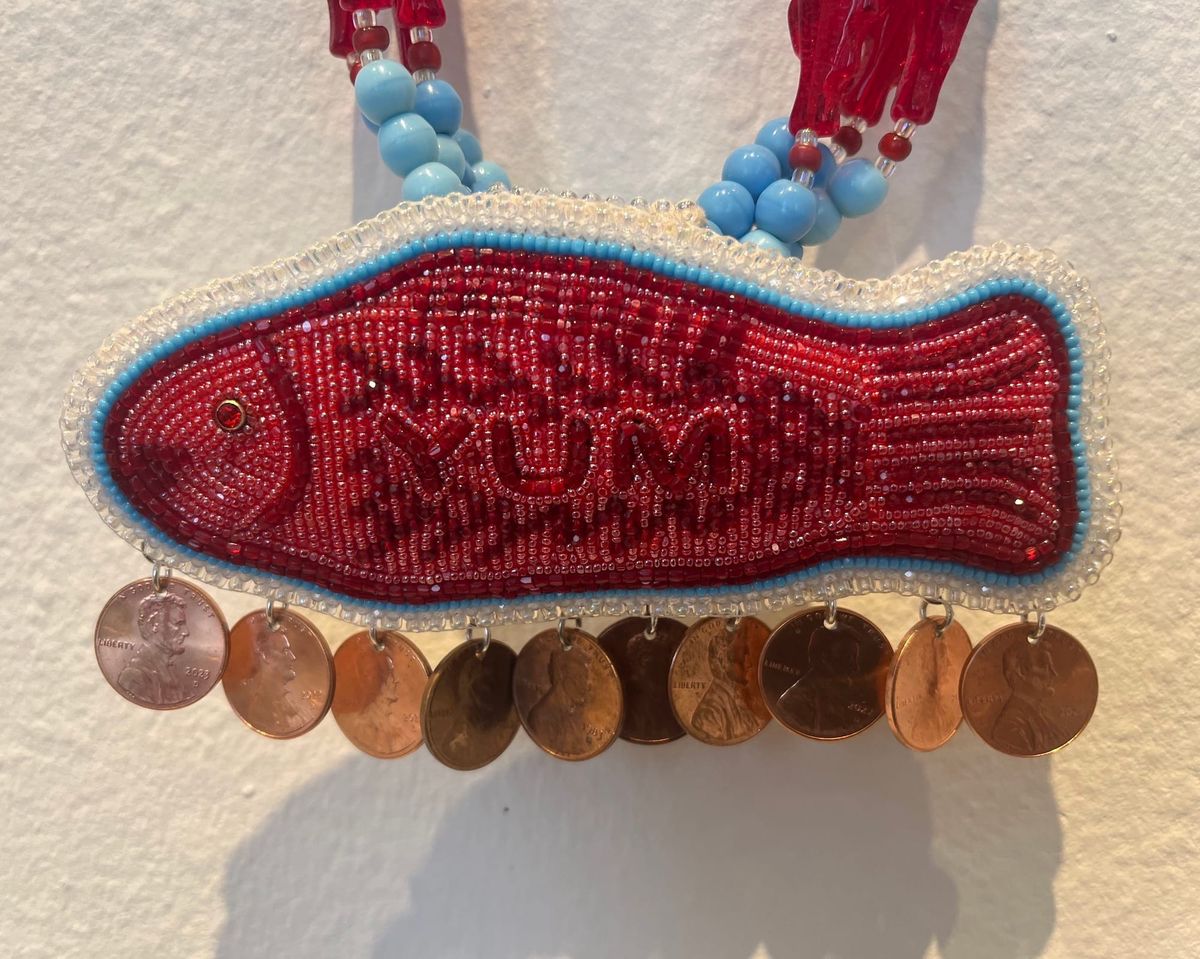
Despite these challenges, Santa Fe Indian Market remains a vibrant showcase of Native creativity, with artists like Kevin Aspaas, Hollis Chitto, Summer Peters Yahbay, and Kiera Pyke presenting innovative work. The market continues to be a critical cultural exchange platform, even as it grapples with its colonial origins. Moving forward, the hope is for a broader acceptance of Native art beyond outdated notions of authenticity, allowing for a fuller expression of Native creativity.