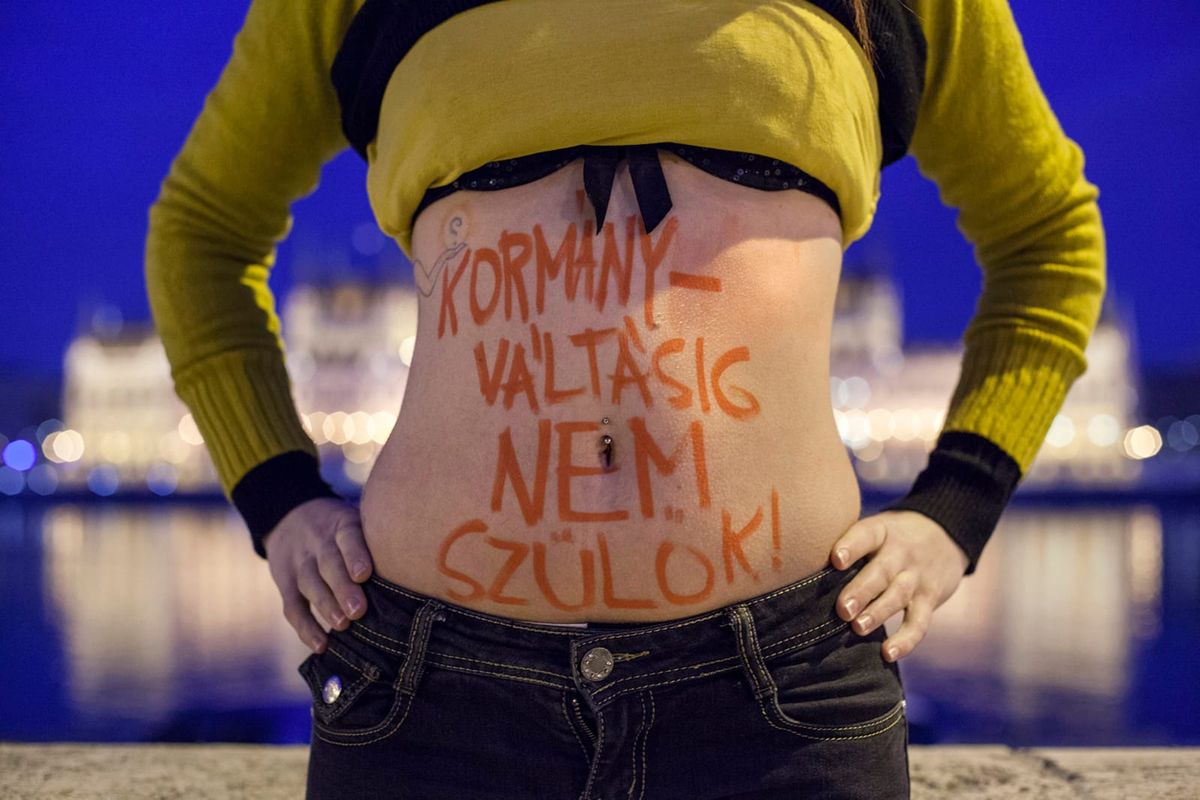
Living under Viktor Orbán’s right-wing authoritarian rule for my entire adult life, his stunning loss in Hungary’s parliamentary elections last Sunday to Tisza, the leading opposition party, is almost surreal. The celebrations in Budapest, with people dancing and exchanging high-fives with strangers, give hope that after 16 years, the cultural domination and use of art institutions to promote the regime’s ethno-nationalist and conservative Christian ideologies might finally be over.
The Hungarian art world is facing a pivotal moment reminiscent of 1989 following the Soviet Union’s fall, with a significant challenge to restore its institutional framework. Observing these changes from the United States, which seems to be following a similar authoritarian trajectory, Hungary serves as both a warning of how ideological control can stifle critical thought and artistic freedom, and a beacon of hope that even well-entrenched authoritarian systems can be dismantled.
Orbán’s 2010 rise to power with a parliamentary supermajority led to the System of National Cooperation (NER), which was supposed to unify the nation through reforms but actually benefited Orbán’s business allies. NER quickly extended its influence over independent media, businesses, cultural bodies, and universities, silencing dissenting voices. State-funded cultural institutions soon fell under the control of loyalists, with the Hungarian Academy of Arts taking a decisive role in grant allocations and museum leadership appointments.
As a young curator, navigating this environment felt like crossing a minefield. Cultural professionals were divided, with those aligning with the regime gaining opportunities, while others faced financial hardship and a lack of prospects. A pervasive atmosphere of paranoia and self-censorship emerged, reflecting broader societal tensions where political differences fractured families and stifled dissent.
Despite the dire situation, some initiatives, like OFF-Biennále Budapest, flourished independently from state funding, showcasing marginalized voices. Opposition-led institutions like Liget Gallery also managed to maintain some autonomy, though often at the cost of financial security. Although Hungary became the EU’s most corrupt country by last year, cracks in the system began to show, with growing resistance to government policies and calls for change from the new leadership under Péter Magyar.