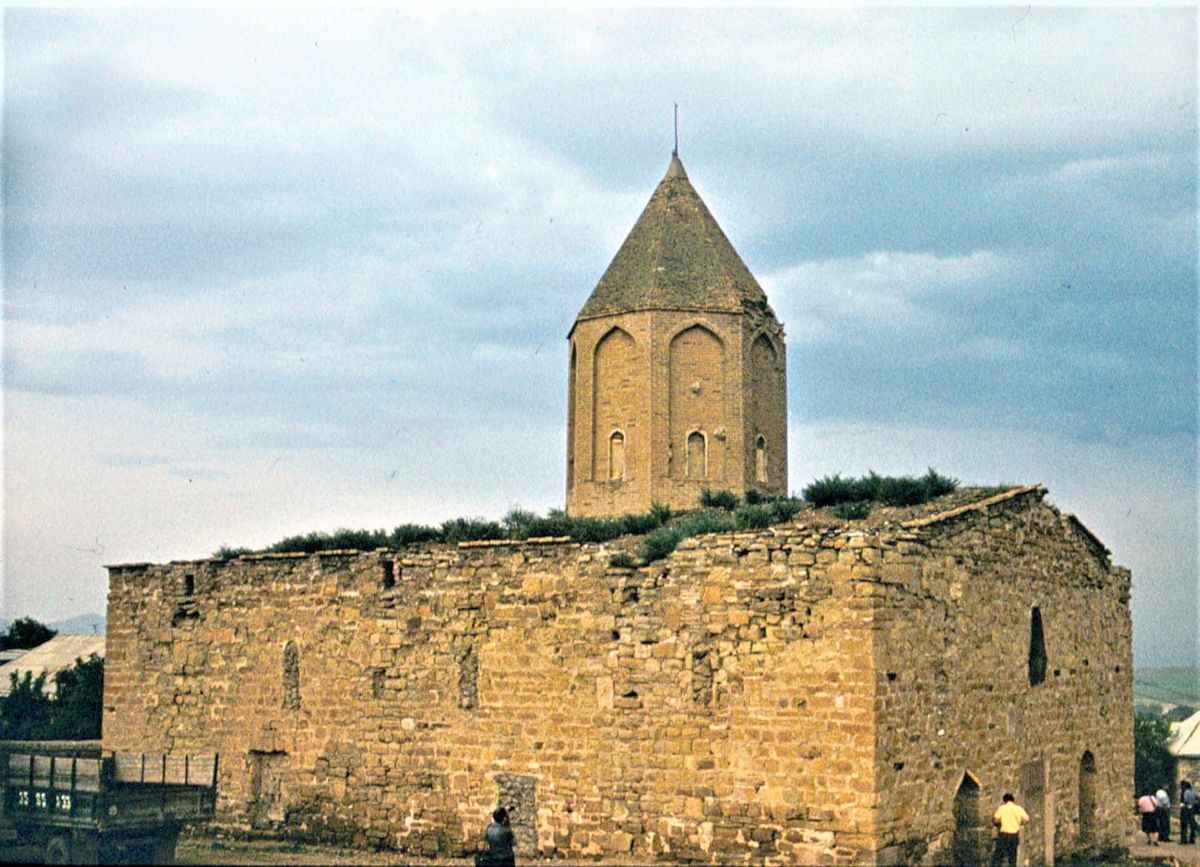
A comprehensive investigation led by scholars from Cornell and Purdue universities has uncovered a systematic effort to annihilate Armenian cultural heritage in Nakhichevan. This region, historically Armenian, became part of Azerbaijan after the Sovietization of Armenia and Azerbaijan in the early 1920s. The Caucasus Heritage Watch (CHW) report details the destruction of 108 Armenian monasteries, churches, and cemeteries between 1997 and 2011, calling it a ‘striking portrait of cultural erasure.’ The scholars found that 98% of the sites they assessed have been erased.
The report, titled ‘Silent Erasure: A Satellite Investigation of the Destruction of Armenian Cultural Heritage in Nakhchivan, Azerbaijan,’ provides the first conclusive evidence of this systematic cultural destruction. Led by Lori Khatchadourian and her colleagues, the study emphasizes the urgency brought on by the 2020 Nagorno-Karabakh war outcomes, where many Armenian sites fell under Azerbaijani control, raising fears of further erasure. The report’s release coincides with recent satellite imagery revealing the destruction of an Armenian church in Nagorno-Karabakh.
Historical accounts and recent studies by Simon Maghakyan and others highlight the ongoing threat to Armenian heritage under Azerbaijani jurisdiction, with past instances of cultural genocide, such as the destruction of khachkars in Old Jugha. The research combines traditional mapping and modern satellite technology to document this cultural loss. The meticulous data collection challenges Azerbaijan’s historical revisionism, which denies the Armenian presence in Nakhichevan.
The study utilized declassified U.S. satellite imagery and Soviet maps to accurately locate Armenian sites. The findings underscore the fragile nature of state-sponsored historical revisionism and justify the global concern over Armenian monuments now under Azerbaijani control. The report argues that the destruction of Armenian heritage is part of a broader state policy driven by an exclusionary ideology.
The CHW’s work highlights the importance of heritage monitoring, emphasizing that the targeting of Armenian sites is not only a relic of the past but an ongoing issue. This comprehensive analysis provides a stark warning about the future of Armenian cultural heritage in regions controlled by Azerbaijan, advocating for continued vigilance and documentation.