James Joyce’s modernist epic Ulysses appeared in 1922 in an edition packed with mistakes. Among them were an errant period on page 30, a missing comma on page 529, an extra dash on page 578, and typos on pages 39, 95, 519, 650, and many others.
The errors were so extensive that later printings included a seven-page errata slip to catalog them. Joyce, whose novel is filled with allusions and stylistic parodies that evoke a slippery reality, dismissed the flaws with characteristic wit: “These are not misprints,” he said, “but beauties of my style hitherto undreamt of.”
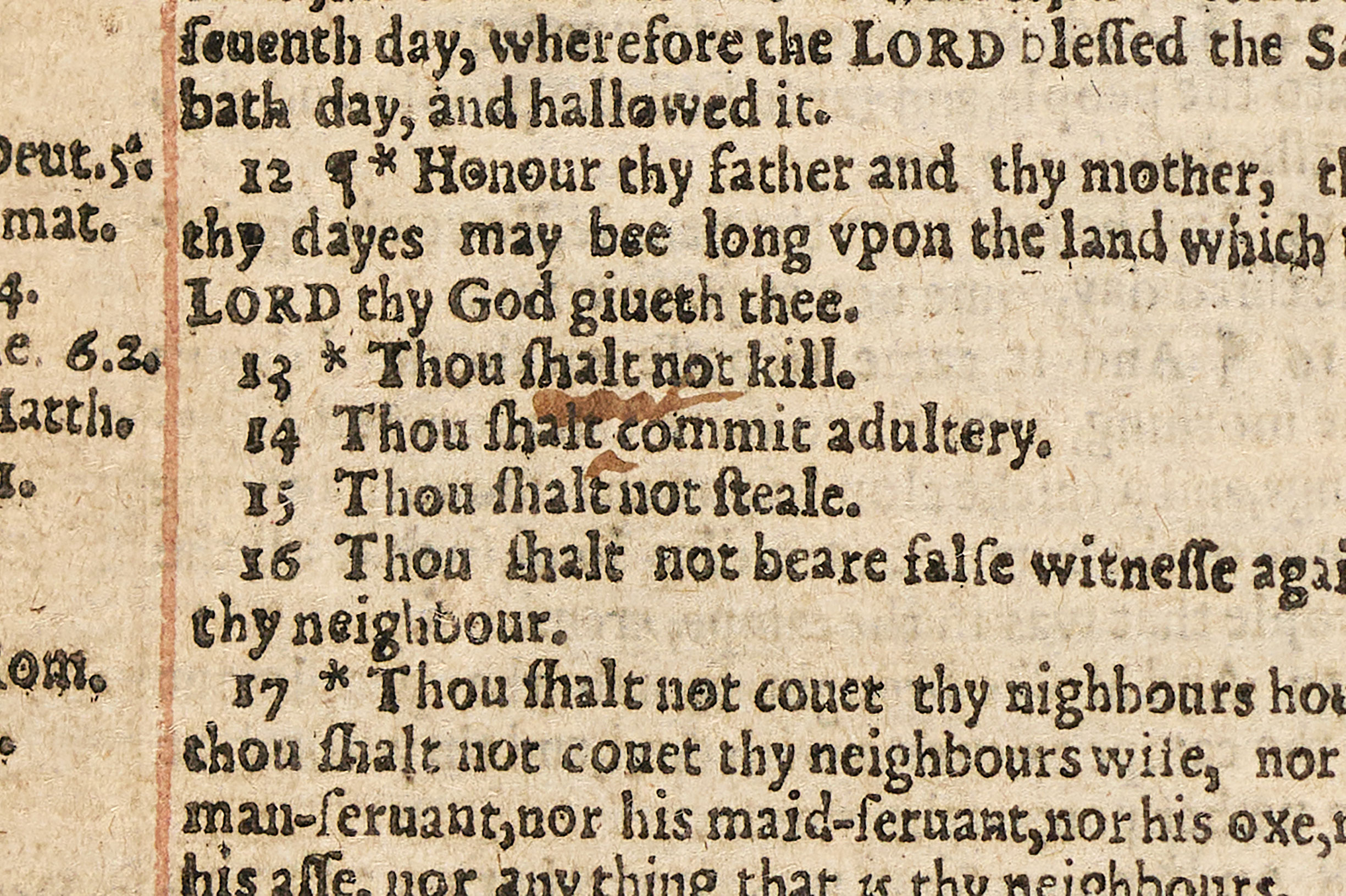
That notion—that a printed mistake can be both beautiful and revealing—lies at the heart of the Yale Library’s new exhibition. The show examines 500 years of errata, or sheets listing mistakes in books after they had already been printed.
Entitled “‘Beauties of” the exhibition takes that idea seriously, presenting the printed error not simply as a failure, but as a window into publishing history and the evolving life of books. It brings attention to how misprints, corrections, and their records have long accompanied the printed page.