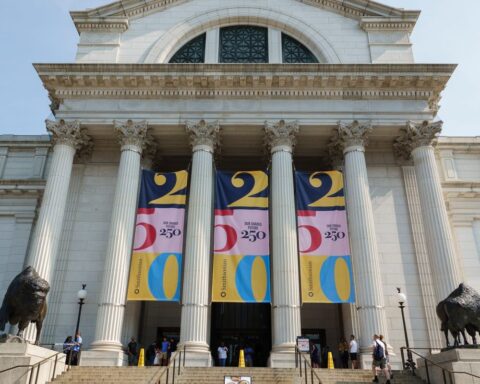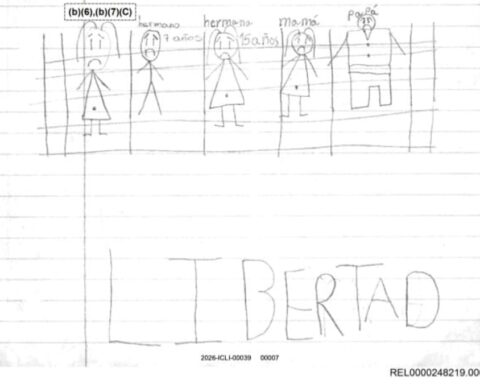
In the Trump administration’s latest assault on the Smithsonian Institution, the White House released a 162-page report on July 4 that accuses the organization of “extreme political activism” and “anti-White activism.” The document marks a sharp escalation in President Trump’s broader campaign against diverse narratives and the way United States history is presented.
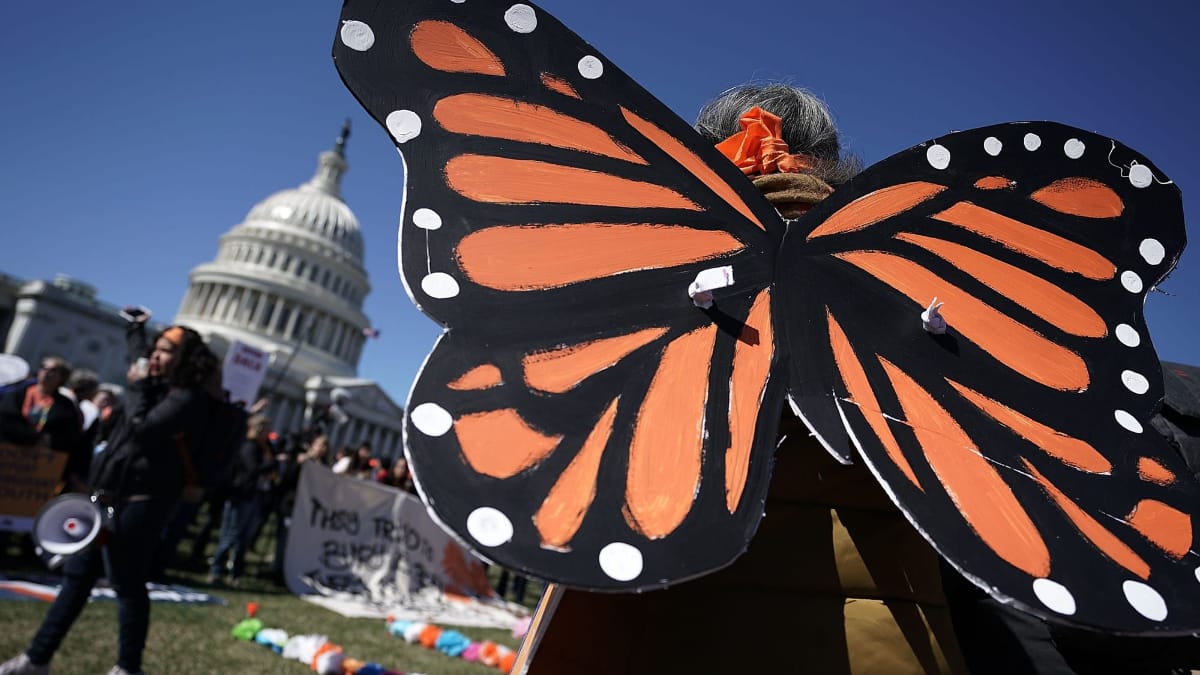
The new report singles out particular museum exhibits, including something as harmless and well-intentioned as a butterfly-shaped protest prop meant to symbolize resilience among undocumented immigrants. The criticism underscores the administration’s increasingly aggressive approach to cultural institutions and the stories they tell.
That makes this an apt moment to revisit art and performance that pushes back against authority, from the margins or otherwise. One standout is Natalie Haddad’s interview with the witty and irreverent Carmelita Tropicana (aka Alina Troyano), a lesbian performance artist and fixture of New York’s downtown theater world who upends the stereotype of the “Latin spitfire.”
As the Smithsonian comes under renewed political pressure, work that questions power, identity, and historical narratives feels especially urgent. Tropicana’s practice, in particular, offers a pointed reminder of how humor and performance can challenge fixed ideas and resist easy categorization.
—Valentina Di Liscia, senior editor