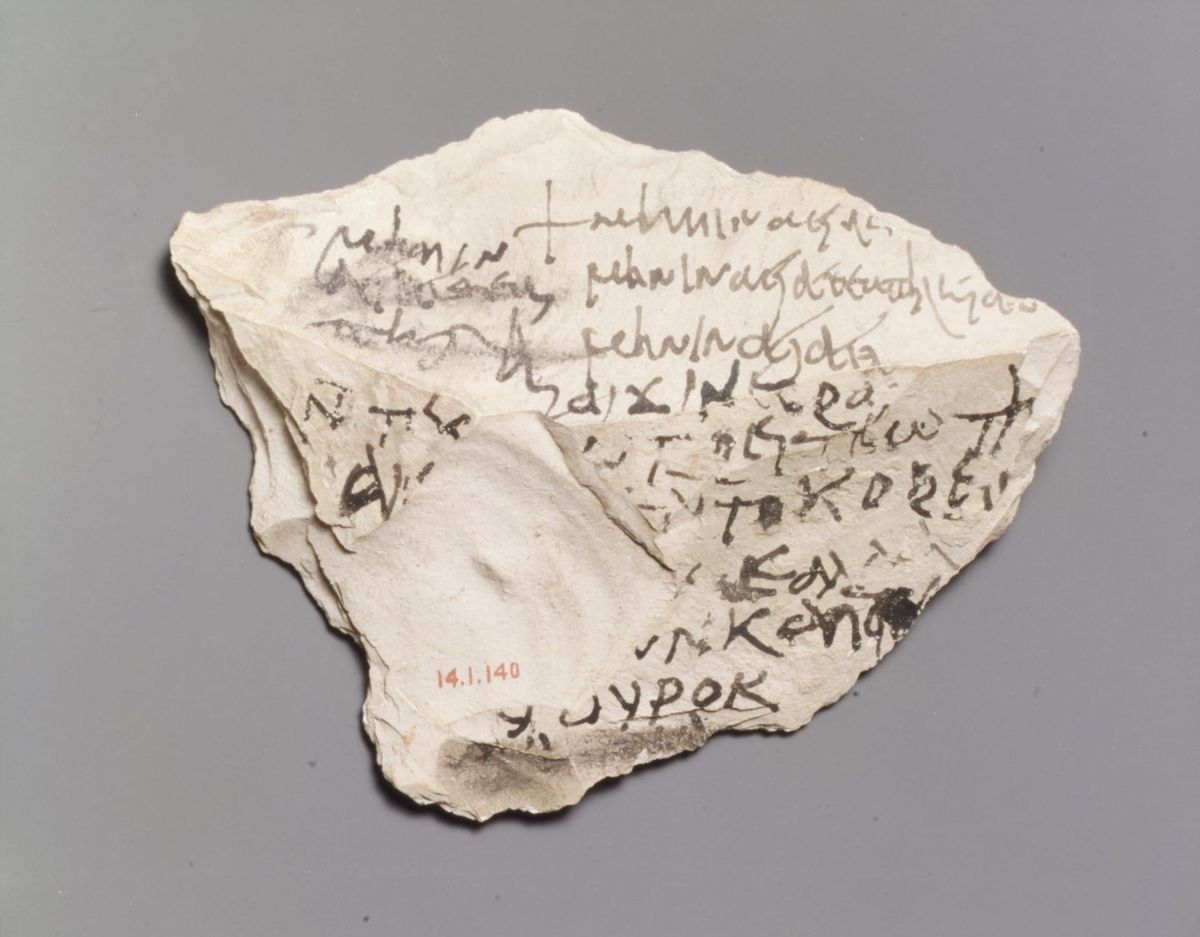
Archaeologists working in Oxyrhynchus, near modern-day El-Bahnasa in Egypt, have uncovered a papyrus inscribed with lines from Homer’s Iliad placed on the abdomen of a mummy dating back to the late Roman period, around the fifth century CE. This discovery is notable as fewer than a handful of over 1,500 surviving Homeric papyri were buried with the deceased. The question remains: why was such a text included in a burial?
The Spanish Archaeological Mission from the University of Barcelona and the Institute of Ancient Near East Studies (IPOA), led by Maite Mascort and Esther Ponce Milado, identified several Greek and Roman-era tombs at the site during November and December. Among the Ptolemaic era tombs were statuettes, paintings, nails, and 52 mummies, 13 of which had gold tongues, believed to facilitate communication with Osiris in the afterlife. Analysis of the Roman-era tombs commenced in January and February, with experts like conservator Margalida Munar and papyrologist Leah Mascia playing key roles.
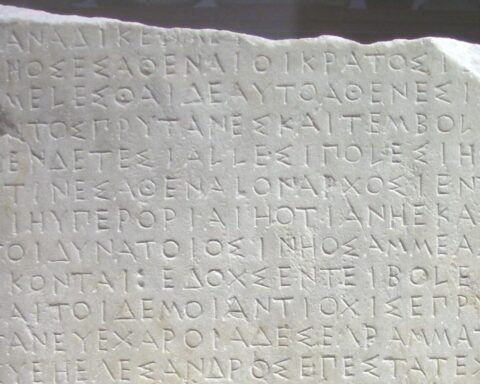
Leah Mascia identified the papyrus as containing the catalog of ships from the second book of Homer’s Iliad. Despite being orally recited in the 8th century BCE and subsequently transcribed, Homer’s epics remained influential until the end of the Roman Empire and beyond. Homer was a cornerstone of Greek education, which may explain the papyrus’s presence in a tomb. Celsiana Warwick of the University of Iowa highlighted its widespread use for learning Greek. Joel Christensen of CUNY noted that Homeric lines were thought to hold magical and protective properties for the deceased.
The papyrus was found folded and placed strategically on the body, similar to other mummies with papyri like the Book of the Dead meant for the afterlife. The University of Hamburg corrected earlier reports that mistakenly suggested the fragments were found inside the body. Most Egyptologists today adhere to ethical standards that avoid disturbing mummies. Mascia emphasized that the papyri were only removed due to their poor conservation state and that non-destructive techniques were used in their study.
Roberta Mazza of the University of Bologna pointed out that other examples of Homeric texts have been found with mummies, such as a similar find in the Egyptian Fayum at Hawara. The necessity to publicize archaeological finds for funding has influenced the narrative of discoveries, often sensationalized. The study of new tombs at Oxyrhynchus continues to enrich our understanding of burial practices in Greco-Roman Egypt, illustrating Homer’s enduring presence in the ancient Mediterranean world.