Fia Backström’s portrayal of West Virginia in The Great Society at the Queens Museum has been likened to the film Close Encounters of the Third Kind. In this comparison, Backström seems to cast West Virginians as alien figures, echoing a long-standing stereotype of Appalachia as peculiar and backward. This perspective contrasts sharply with my personal understanding of the region, as I am writing on behalf of GRIT, a collective of artists from economically disadvantaged rural areas, primarily West Virginia. We offer a response to Lauren O’Neill-Butler’s praise for Backström’s depiction of communities in poverty, asserting that the exhibition perpetuates a harmful tradition of exploiting Appalachian trauma for cultural gain.
Although Backström and O’Neill-Butler position Backström as an authority on West Virginia, her engagement with the area is limited. The real issue extends beyond the duration of her involvement; it highlights the lack of opportunity for Appalachians to narrate their own stories. Instead, figures like Backström, a European artist within a prestigious art institution, shape these narratives. This dynamic underscores how power influences which stories are told and believed, reducing the complexity of West Virginia to a single negative narrative. The exhibition’s focus on Buffalo Creek, while a significant site of a 1972 disaster, indiscriminately merges various tragedies, reinforcing a reductionist view of the region.
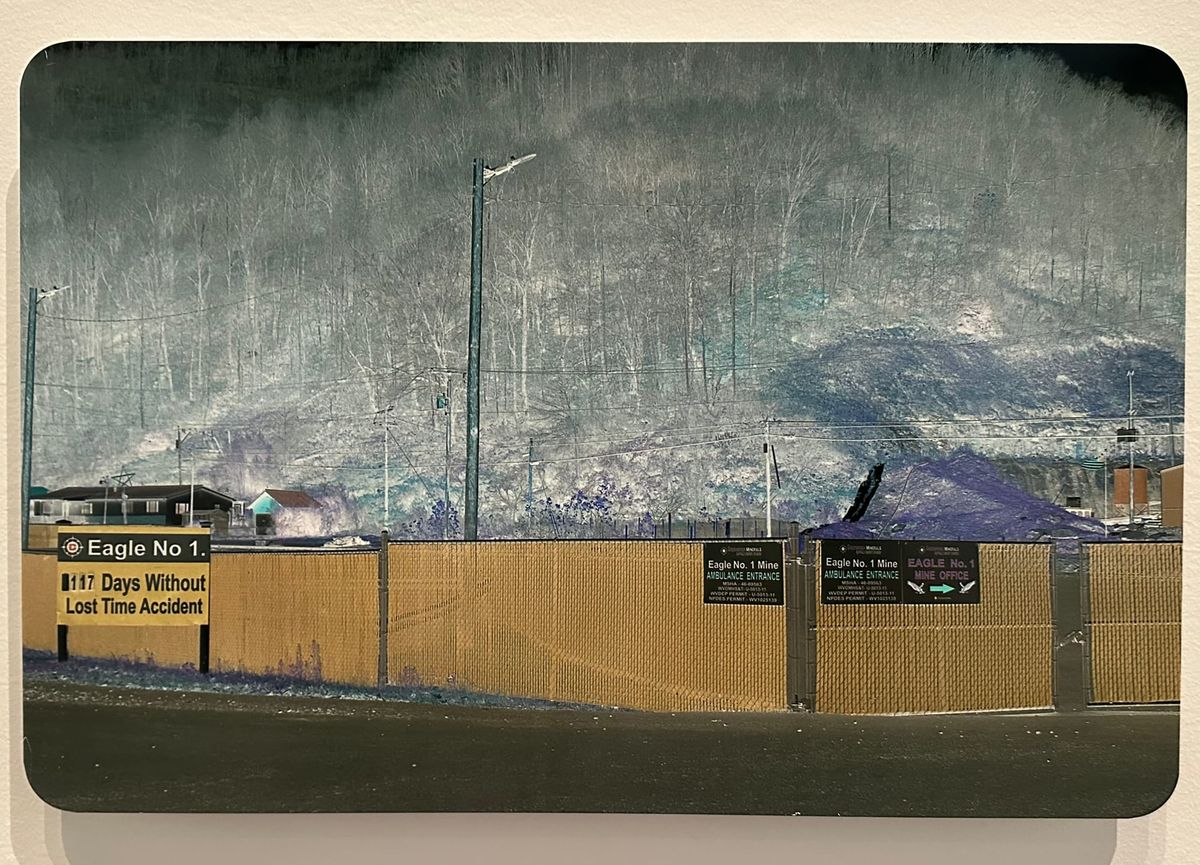
Backström’s exhibition excludes human presence, opting instead for a montage of landscapes and objects that evoke misery. This approach, intended to move away from exploitative imagery, still constructs a spectacle of devastation. The absence of people, coupled with inverted images that render the landscape ghostly, frames the region through the artist’s discomfort rather than the pride locals feel for their natural environment. Additionally, wall text featuring fragmented interviews perpetuates a narrative of neglect and shame, contrary to the complex experiences of those who lived through such conditions.
In the video Mud Wave, Backström trivializes her exclusion from a mine due to safety protocols, turning it into a demeaning wordplay that reinforces negative stereotypes about Appalachians. The exhibition also features a community quilt, a cultural tradition of the region, reinterpreted through the lens of an outsider, highlighting an imbalance of power and authority over Appalachian culture. Participants were uncompensated, with the final work serving the artist more than the community, embodying extraction rather than true collaboration.
The GRIT collective has voiced these concerns to the Queens Museum and Backström without receiving acknowledgment or steps toward resolution. This silence, along with O’Neill-Butler’s uncritical article, underscores the necessity for Appalachians to have a platform within cultural institutions to share their stories. As we seek to bridge this gap, it is crucial for the art world to address the barriers imposed by class and institutional power, recognizing the dignity and agency of the working class. My father, a coal miner, exemplifies pride and resilience, yet Backström’s portrayal reduces him to a victim, erasing his narrative of strength and respect.