Over the last fifty years, the conflict in Colombia involving the government, paramilitaries, and FARC rebels entrenched in the jungle has claimed approximately 220,000 lives. Despite its reduced presence in the media, hostilities continue, with the government resuming airstrikes against the guerrillas as recently as April. Until now, Colombians have lacked a communal space for mourning their losses, but this is set to change.
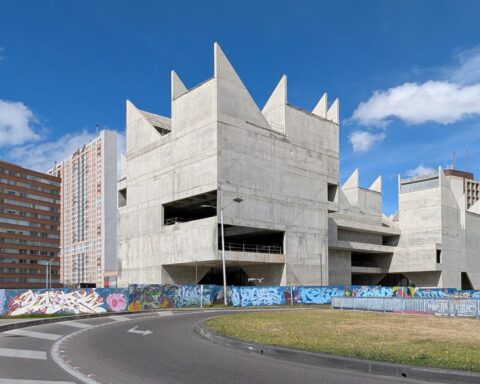
The National Center for Historical Memory has launched an international contest to design the National Museum of Memory, dedicated to honoring those affected by the conflict. “This has been a war of degradation, with violence largely targeting civilians,” the organizers noted. The museum is poised to become a significant site in Bogotá.
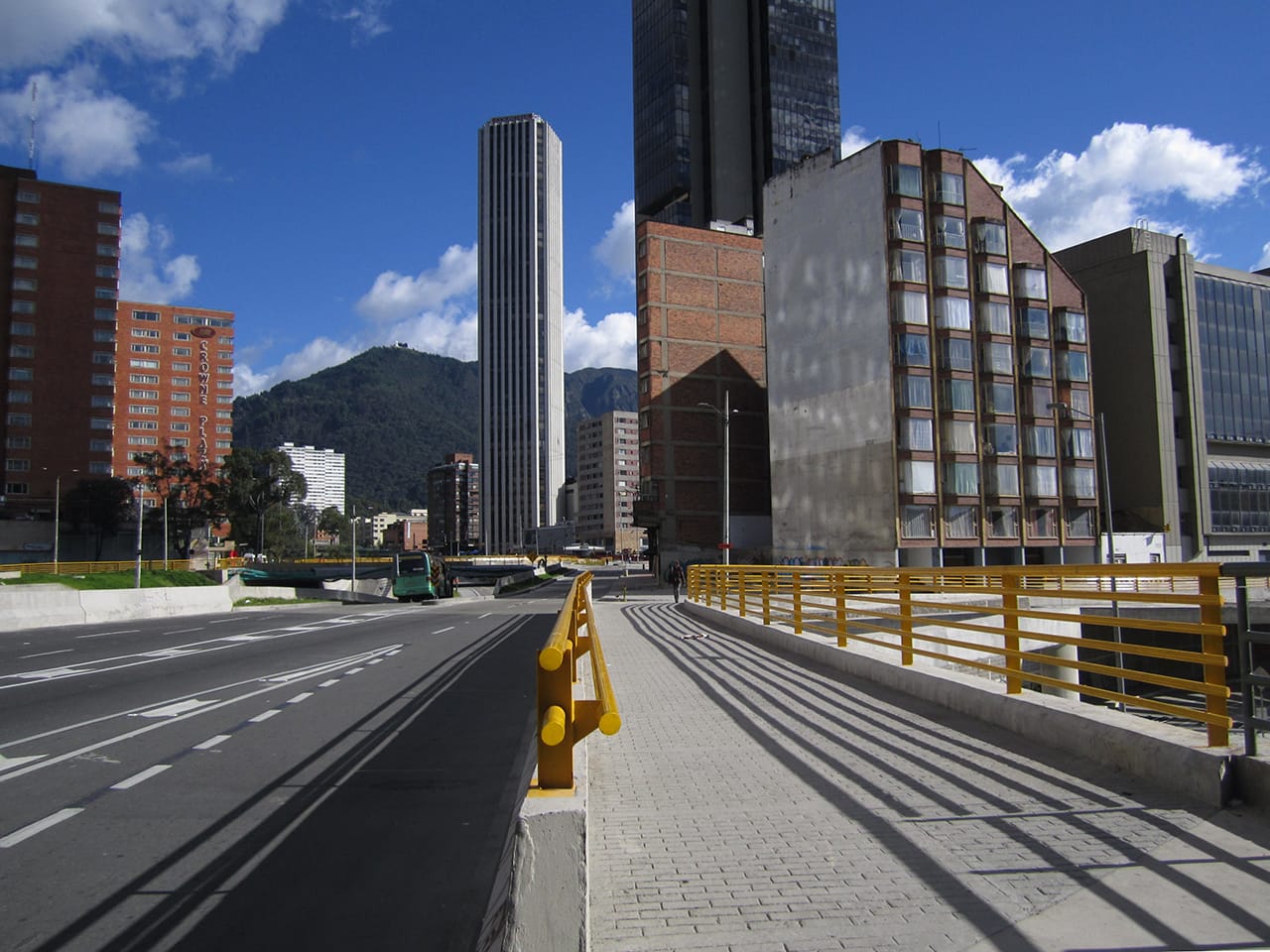
Located at the Plaza de la Democracia, where three key avenues—El Dorado, North-Quito Sur, and the Americas—intersect, the museum is expected to emerge as a pivotal landmark in the city. The museum aims to serve as a venue for mourning, reflection, and discussion, offering archives, information, and research opportunities. It will accommodate various narratives about the conflict, aiming to acknowledge and honor all victims, critically assess the violence and human rights abuses, and encourage a culture of peace and respect.
Architects have until June 19 to register for the competition and until July 29 to submit their designs. On August 13, the government will reveal the three winning designs chosen by a panel of five Colombian architects: Willy Drews, Clemencia Escallón, Mauricio Pinilla, Beatriz Garcia, and Ephraim Riano. Project advisor Viviescas José Fernando Monsalve emphasized that the chosen design should “symbolically represent the absurdity … of eliminating the other in the conflict.”