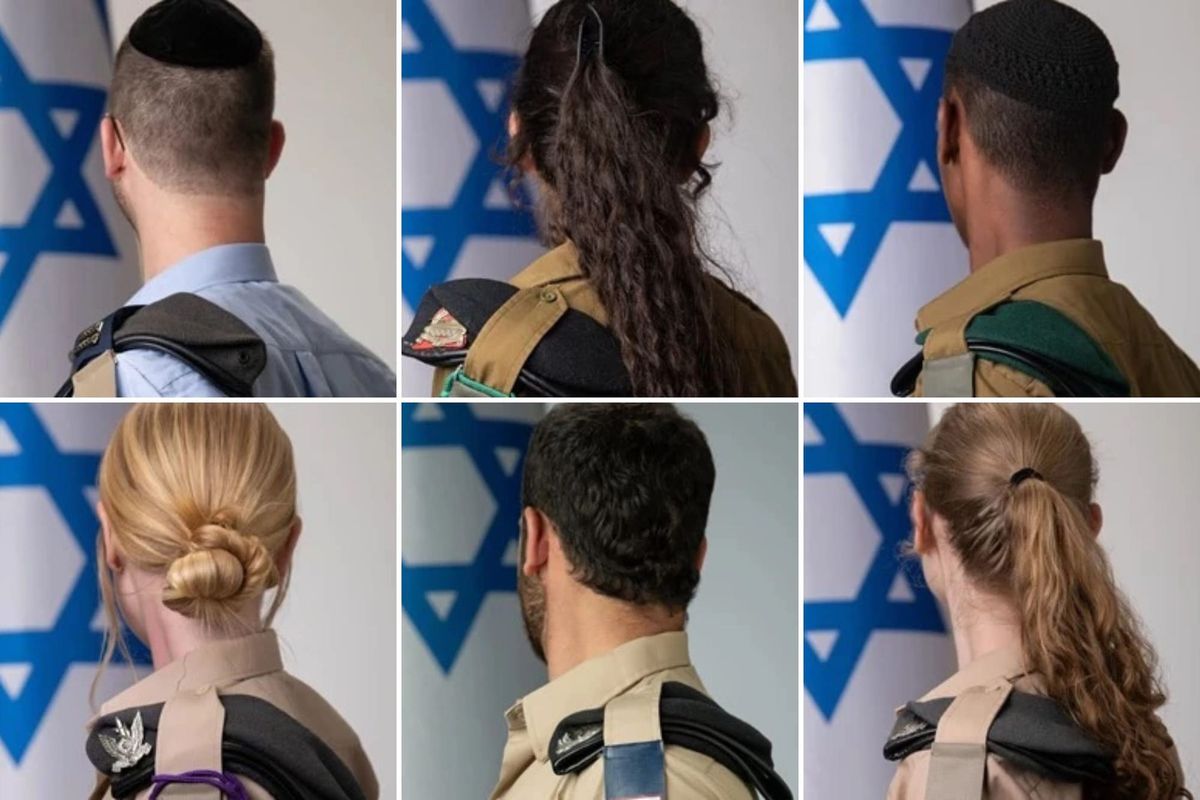
The act of hiding often facilitates misuse, and this is starkly illustrated in the official portraits of Israeli soldiers who turn their backs to the viewer. By facing away from the camera, as they have metaphorically done with human rights, these soldiers engage in a literal cover-up. This concealment aims to prevent identification and prosecution for alleged war crimes in the occupied Palestinian territories. The same surveillance and facial recognition tools used to target others are now employed to shield the perpetrators while exposing the victims.
Such technologies have transcended military and government use, infiltrating everyday life. Around the globe, individuals exploit these advancements, using smart glasses to breach privacy and consent. A simple recording can transform unwitting strangers into public exhibits. Faces, once unique expressions of emotion, are reduced to data points. The erosion of distinction between private and public life heightens the psychological and social burden of constant surveillance, turning the act of observing and being observed into a cycle of crime and punishment. Vulnerability has shifted from being a state of trust to one of intrusion.
The consequences are profound, affecting how we present ourselves as technological risks and beauty standards shape our visual identity. Unlike the images of Israeli soldiers, most portraits provide a rare opportunity to observe others, a privilege increasingly rare in social settings. Portraits allow viewers to become moral investigators, gathering insights about subjects. However, this raises significant ethical questions. Determining who is visible and who is obscured lies at the heart of power dynamics.
Our bodies are metaphorically and literally turned away, with control and oppression at stake. Retaining the right to conceal one’s identity is crucial for safeguarding digital and civil liberties. For Israeli soldiers, this concealment also signifies an acknowledgment of culpability. This anonymity serves as a tool of intimidation. Similar patterns are seen in images from American ICE detention centers in El Salvador and masked officers at protests: detainees are exposed, while their captors remain hidden. This lack of identifiable features makes the abusers appear as anyone.
Counterportraiture challenges the notion of representation, highlighting those who remain unseen despite their watchful presence. These back-turned images of soldiers portray not individual oppressors, but a faceless collective. By protecting their anonymity, these portraits turn specific identities into generalized threats. Unlike traditional portraits that celebrate individuality, counter-portraits act as a shield. Without distinct features, they prevent a connection between the subject and the viewer. Overcoming the oppressive tactics of the Israeli military, much like the myth of Medusa, requires confronting its own reflection. Until then, the imperative is to maintain the gaze forward, with no retreat.