Last summer, I took part in face painting during a block party in my Brooklyn neighborhood. Amid the intense August heat, I crafted pink butterflies and Spiderman webs on the sticky faces of children. Predictably, my designs didn’t last long within the bouncy castle, except for the glitter. Weeks later, I continued to find it in my hair, on my cats, in my sink, and scattered throughout my home, moving around like dandelion seeds. Initially annoying, these persistent sparkles eventually became cherished symbols of the community I am fortunate to belong to. In today’s edition, Francesco Dama examines the democratizing nature of glitter and its misunderstood role in art history. I highly recommend reading it for an illuminating start to your week. —Valentina Di Liscia, senior editor
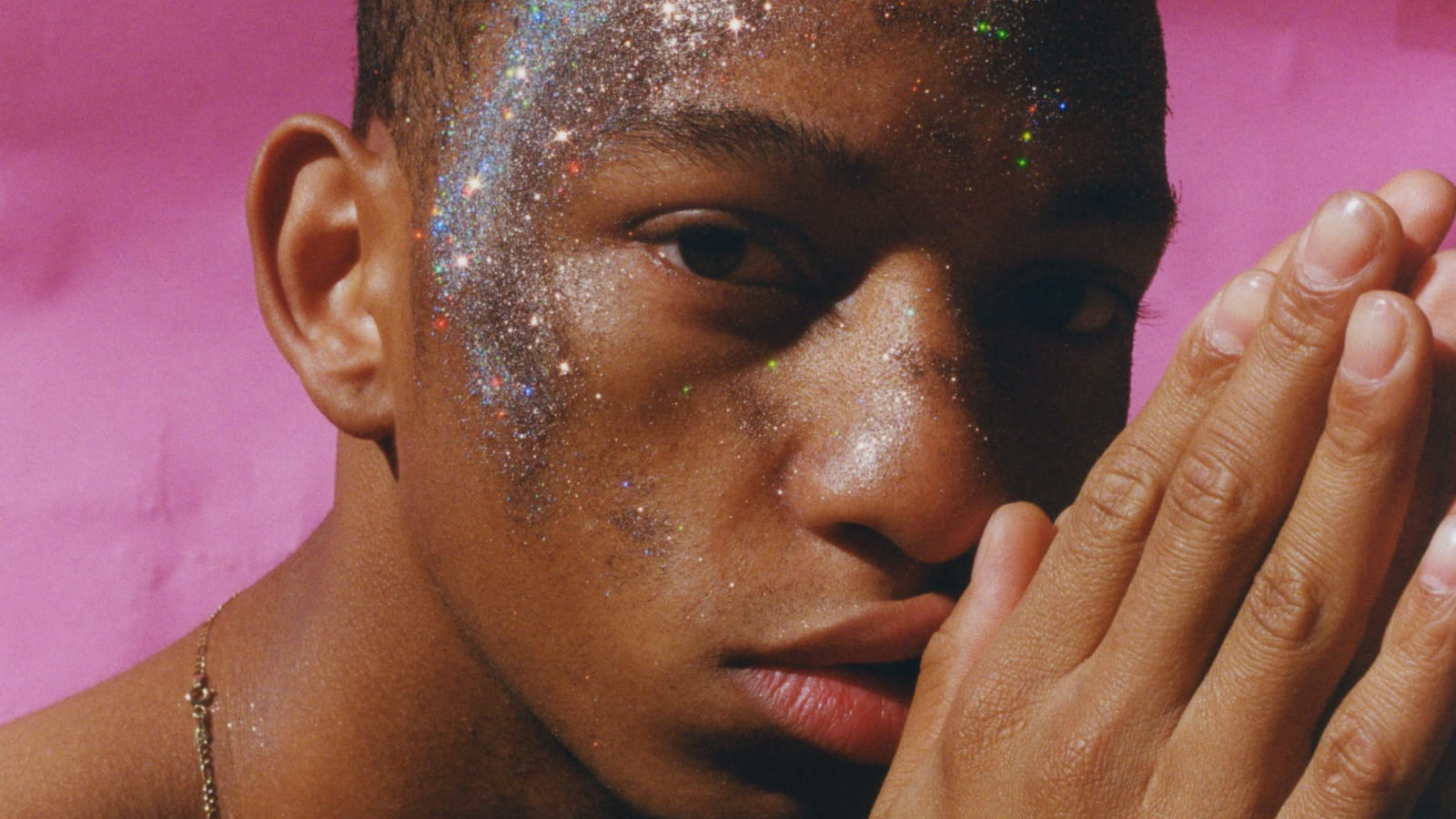
A glimmering trinket in a San Francisco souvenir shop sparked Francesco Dama’s interest in exploring glitter’s history and significant impact. Its intriguing tale involves a German immigrant, artificial snow, and the term “schnibbles.” In contemporary art today, this luminous dust often “enables marginalized racial and ethnic communities to challenge imposed stereotypes,” Dama notes, as seen in Quil Lemons’s 2017 photographic series, where “shimmer becomes a visual insistence on visibility.”