In recent times, machine learning and artificial intelligence have become prominent tools in art analysis and historical reconstruction. Despite claims of these technologies providing unbiased assessments, they are not immune to the biases of their creators. Scholars and critics have integrated these digital approaches into their work, inadvertently embedding their own prejudices. For instance, the ancient Greek concept of the golden ratio informed today’s use of machine learning to define beauty, yet this reliance on algorithms has led to notable issues.
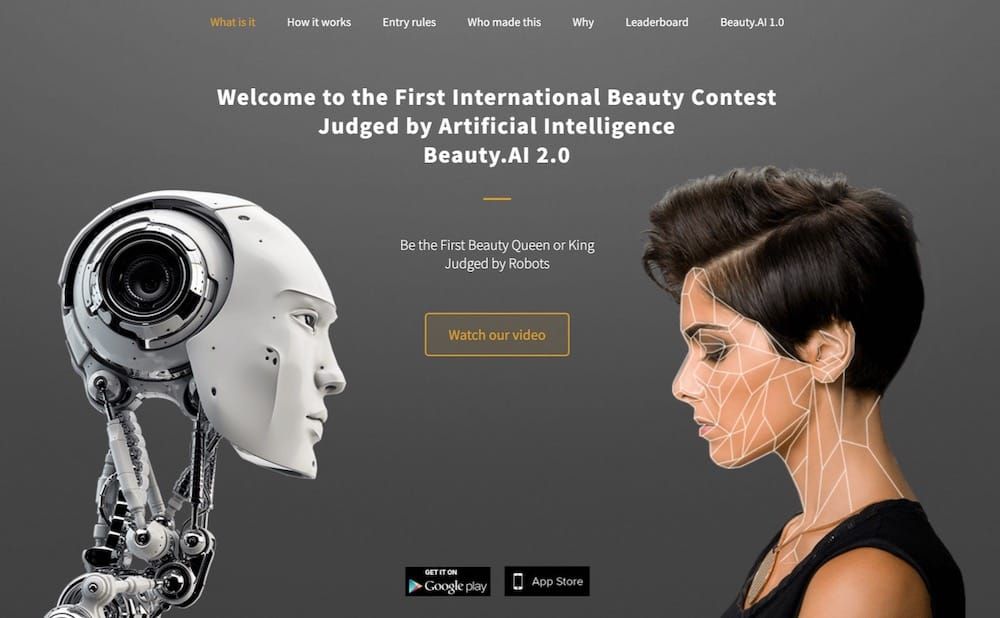
In 2016, Beauty.AI launched the first AI-judged beauty contest online, drawing attention when the AI exhibited a preference against dark-skinned individuals. Only one out of 44 winners had dark skin. Youth Laboratories, the creators, admitted the presence of racial bias in their algorithms and subsequently initiated Diversity.AI to foster inclusive code development and create accessible datasets for minority representation in training algorithms.
Ruha Benjamin’s book, ‘Race After Technology,’ delves into how algorithms can reinforce social hierarchies by overlooking existing inequalities. Benjamin, along with academics like Bernard E. Harcourt and Safiya Umoja Noble, highlights the dangers of viewing AI as neutral. Noble’s work, ‘Algorithms of Oppression,’ discusses how search engines perpetuate racial biases, with AI reinforcing racial profiling across various platforms.
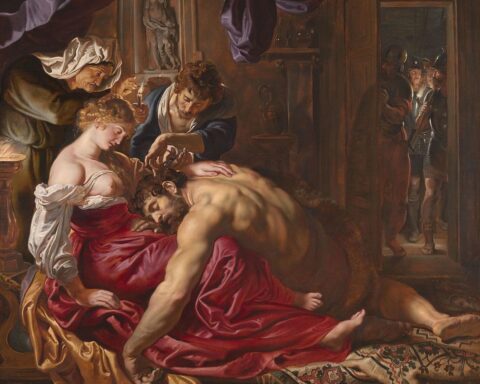
Academic studies also reflect these biases. Cognitive scientists led by Nicolas Baumard claimed to have traced historical shifts in trustworthiness through facial analysis of European paintings, ignoring the lack of diversity in their dataset. This research parallels outdated pseudoscience, using modern AI as a veneer of legitimacy.
AI’s biases extend to everyday technologies, as seen in Google’s Arts & Culture app, which often misrepresents people of color. During the pandemic, designer Daniel Voshart used machine learning to recreate Roman Emperors’ portraits, drawing criticism for predominantly lighter-skinned depictions. Despite Voshart’s artistic intentions, these images risk being misconstrued as accurate historical representations, highlighting the need for awareness of AI’s limitations and biases in historical interpretations.