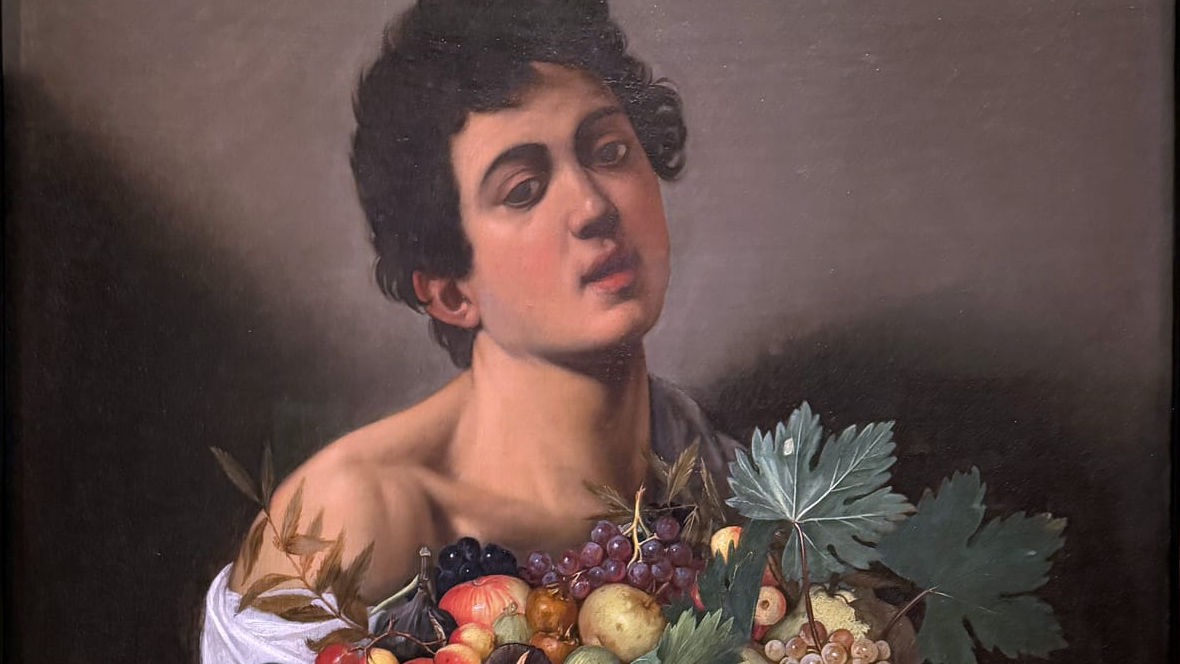
Greetings from the heart of the winter freeze. It might be the cabin fever talking, but harsh weather has a way of turning our thoughts inward, conjuring the specters of history. On the eve of the recent snowstorm, a conversation with John Marciari, curator at the Morgan Library, transported me back to the 17th century. It was a time when Caravaggio emerged as a pivotal figure, a reminder of how the past shapes the present, and the present shapes the future.
This dynamic is evident in our city today. Writer A. G. Sims explores how John Wilson’s portrayal of American racial violence, currently on display at The Met, is deeply influenced by the writings of Richard Wright. Wilson once said of Wright, “He put into words what I wanted to express visually,” capturing the African American struggle for dignity in an oppressive society.
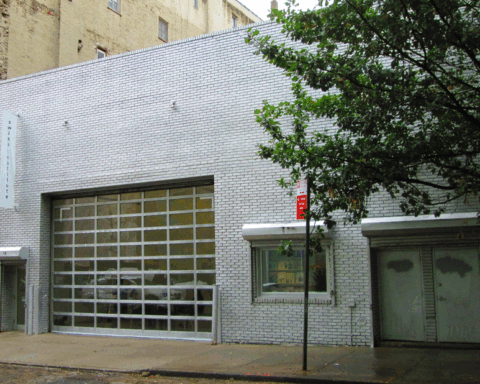
Meanwhile, several Tribeca galleries have convened to discuss reaching out to city agencies about street vendors outside their premises, despite having publicly supported anti-ICE sentiments. As these contrasting examples of protest are considered, Damien Davis offers his perspective on meaningful solidarity.
All renowned artists have origins—Caravaggio hailed from the Italian town that gave him his name. In an interview with John Marciari, we explore how this provincial artist sparked an artistic revolution in Rome. At The Met, the John Wilson exhibition continues until this weekend, with A. G. Sims highlighting Richard Wright’s significant yet often overlooked influence on Wilson’s politically charged art.
Isa Farfan reports that some galleries, which had closed on January 30 in solidarity with Anti-ICE protests, subsequently discussed reporting immigrant street vendors to city authorities. This juxtaposition raises questions about the true nature of solidarity, a topic you’re reading about here on Hyperallergic, not The Onion.