BARCELONA — Just six months before his groundbreaking initial visit to the United States, Joan Miró reached out to his New York City gallerist, Pierre Matisse, through a letter. Writing from the restrictive environment of Francoist Spain in the post-World War II era, the Catalan artist was eager for new horizons. He expressed to Matisse, ‘In the future world, America, with its energy and vitality, must play a leading role. I have to be in New York to be in direct, personal contact with your country; my work will benefit from that shock.’
This sentiment is central to the exhibition ‘Miró and the United States’ at the Fundació Joan Miró. Unlike a 1982 show highlighting Miró’s impact on American artists, this exhibition posits that the US was a site of vibrant creative exchange. Miró’s work is displayed alongside 48 US-based artists he interacted with during his seven visits to America from 1947 to 1968. Featuring nearly 140 pieces, the exhibition traces Miró’s US journey from his 1920s debut to later public commissions in cities like Chicago and Houston, illustrating the profound impact the country had on him, as shown in his letter to Matisse.
The exhibition opens with the two artworks that first introduced Miró to American audiences at a 1926 Brooklyn Museum presentation, now reunited. Another gallery highlights his enduring friendships with architect Josep Lluís Sert and artist Alexander Calder, showcasing ‘Mural Painting, 20 March 1961’ (1961) in Europe for the first time since Sert donated it to Harvard Art Museums. The building’s Sert-designed architecture, including Miró’s Mallorca studio, adds another layer to the exhibition. Sert, a Catalan exile, served as Dean of Harvard’s Graduate School of Design and was instrumental in Miró’s American endeavors.
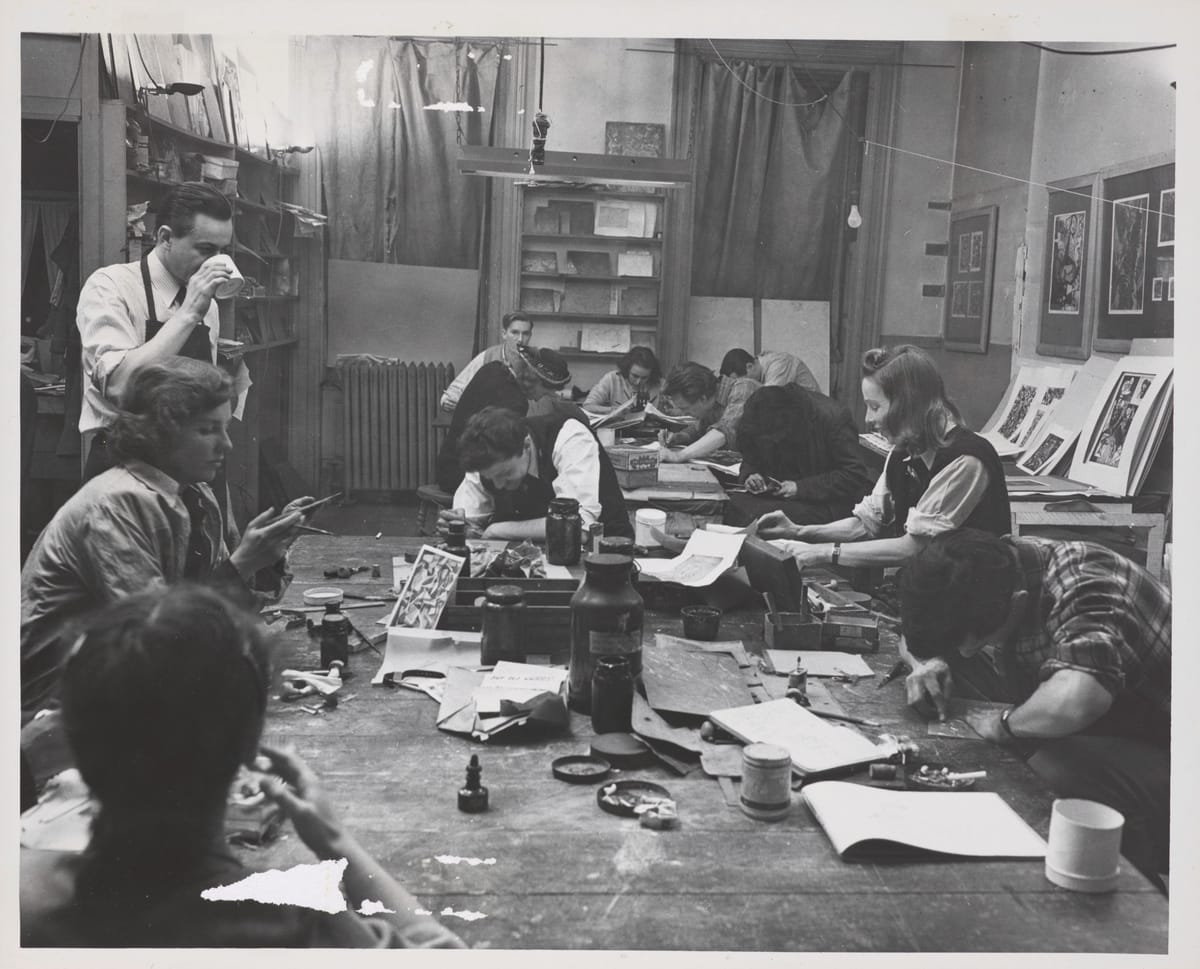
The US was the primary market for Miró’s paintings, with American critics, curators, and artists embracing his work. He had been featured in exhibitions at major institutions like the Museum of Modern Art, with figures such as Barnett Newman, Clement Greenberg, and Jackson Pollock praising him. A fascinating part of the exhibition is its documentation of Miró’s lesser-known activities in the US, including his involvement with Atelier 17, a dynamic printmaking space in New York City. Here, Miró collaborated with artists like Louise Bourgeois and Alice Trumbull Mason, stretching his artistic boundaries with American influences.
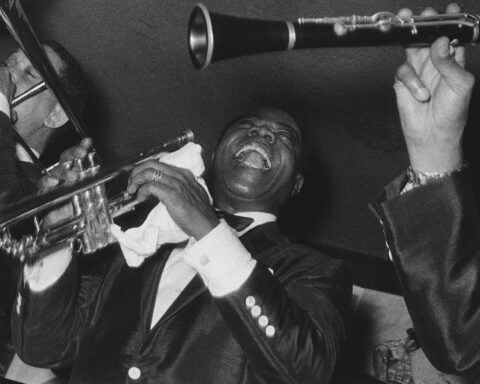
A significant aspect of the exhibition is its focus on women artists, often overlooked in their time. The show emphasizes their contributions, with Lee Krasner’s ‘The Seasons’ (1957) prominently displayed. Lesser-known artists like Sarah Grilo and Janet Sobel, and those using masculine names, such as Michael (Corinne) West and Peter Miller (Henrietta Myers), are also featured. The exhibition includes biographies in Catalan, Spanish, English, and French. Miró’s engagement with American culture continued upon his return to Spain, subscribing to magazines to stay informed. His interaction with American jazz and influence on Dave Brubeck’s 1961 album are part of the exhibition’s extensive documentation.