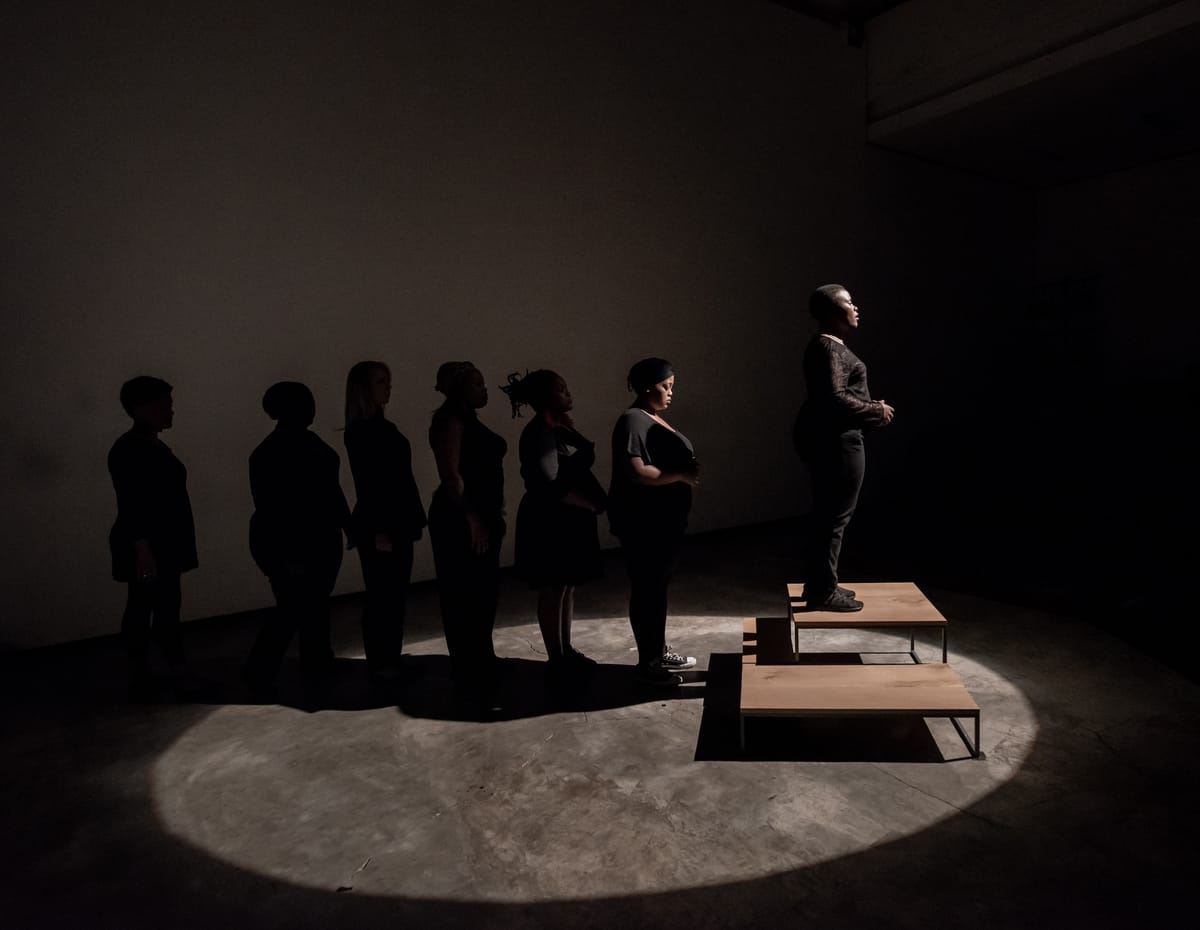
On January 22, artist Gabrielle Goliath and curator Ingrid Masondo initiated legal proceedings at the South African High Court in Pretoria. They challenged Minister of Sport, Arts and Culture Gayton McKenzie’s decision to halt the presentation of Goliath’s video and performance series, Elegy, at the 2026 Venice Biennale. McKenzie deemed the work, which highlights the plight of Palestinians in Gaza, as ‘highly divisive’ and contrary to South African interests, despite the country’s legal action against Israel at the International Court of Justice for alleged genocide.
The affidavit, reviewed by Hyperallergic, requests that the Minister’s actions be declared unconstitutional and invalid. Adila Hassim, a key figure in the legal team, previously played a role in South Africa’s ICJ case. Attempts to prevent Goliath’s work from reaching a global audience are seen as deliberate, rather than due to mismanagement, reflecting the malleable boundaries of neo-imperial states keen on silencing dissent.
McKenzie’s interference first came to light when he opposed the selection of a work commemorating victims of the Gaza genocide, as outlined in a letter to Art Periodic, the entity organizing South Africa’s pavilion. Elegy, an ongoing project of mourning, includes sections on gender-based violence and genocides in South Africa, Namibia, and Gaza. It was the Gaza section, featuring a poem honoring Palestinian poet Hiba Abu Nada, that provoked McKenzie’s opposition.
McKenzie claimed the selection was influenced by foreign funding, yet did not specify the nation involved, raising concerns about foreign influence. The Qatar Museum cluster expressed initial interest in funding but did not proceed. McKenzie’s remarks about foreign capture led to speculation about his own entanglements, though Goliath maintained her independence in developing Elegy.
The controversy expanded as Goodman Gallery, after a decade-long representation, dropped Goliath following her selection for the Biennale. The gallery cited commercial reasons, denying any connection to McKenzie’s actions. The gallery’s decision fueled further speculation about external pressures, despite Goliath’s international acclaim and her role as South Africa’s representative at the Biennale.