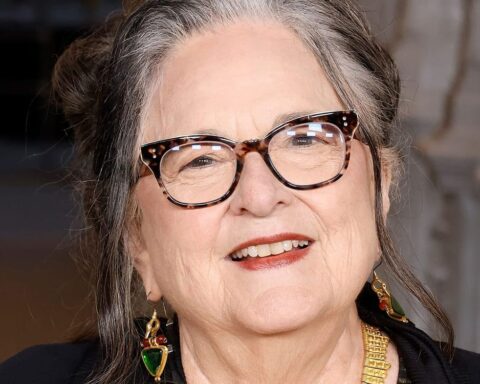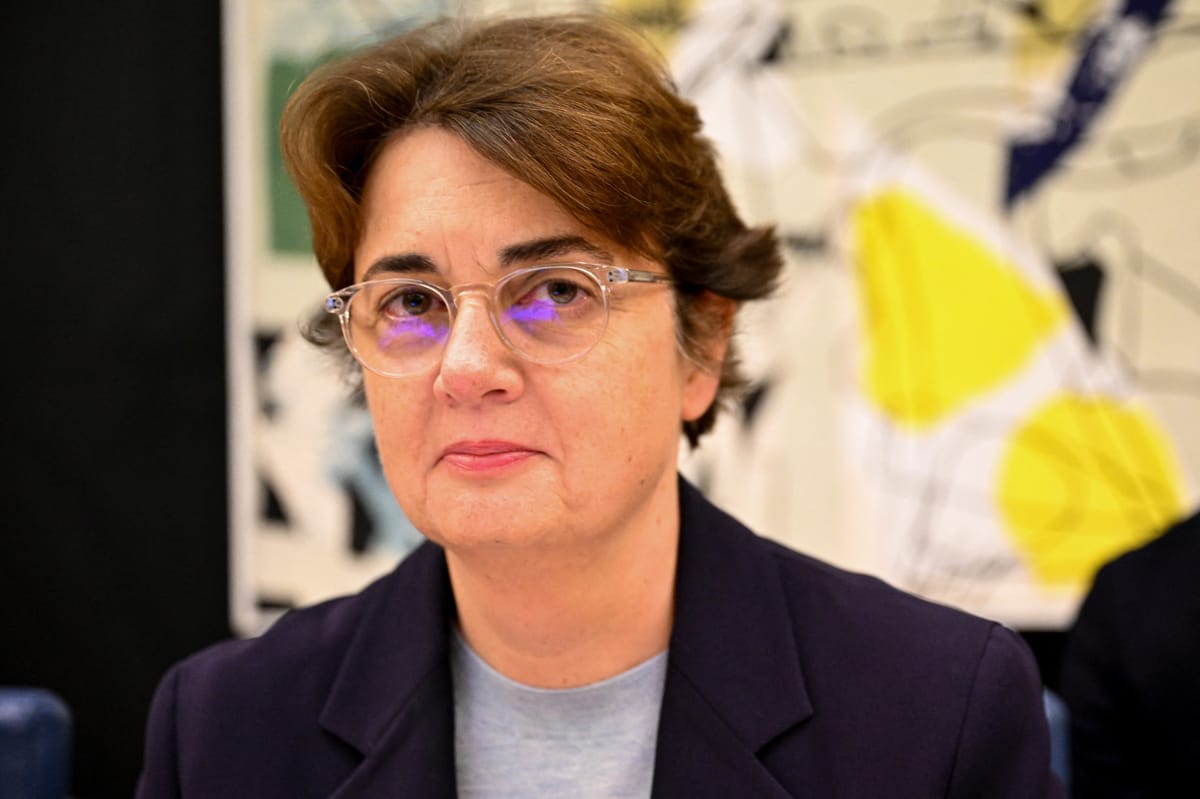
Laurence des Cars has stepped down from her roles as president and director of the Louvre Museum, effective February 24, following intense scrutiny in the wake of the notorious jewel heist last October. In her resignation letter to the museum’s staff, des Cars expressed, “Directing the Louvre through both challenges and triumphs has been the honor of my professional life. I have devoted my full energy and determination to it, with no time squandered in my service to the Louvre.” Appointed in 2021 as the first woman to lead the Louvre, des Cars emphasized that she had consistently alerted authorities to the museum’s outdated infrastructure during her tenure.
Des Cars noted that the heist underscored a longstanding vulnerability she had been highlighting since her appointment: despite being the world’s largest museum, the Louvre is frail. Hyperallergic contacted the museum for comments on interim leadership, which remains unannounced. The Louvre, beyond the heist, has been involved in controversies related to structural damages, staff strikes leading to closures, and other issues. Early last year, des Cars addressed the museum’s structural challenges and visitor experience impacts in a confidential letter to French President Emmanuel Macron, later leaked to the press. Her warnings prompted the creation of “Nouvelle Renaissance,” a €700-million (~$824-million), multi-year renovation plan aimed at improving visitor access, establishing a dedicated room for the Mona Lisa, and updating environmental systems.
Following the audacious robbery on October 19, des Cars testified before the French Senate’s Culture Committee, highlighting concerns she raised about outdated security and disrepair with museum authorities, national bodies, and the media. She revealed that she had submitted her resignation shortly after the heist, but it was not accepted by Culture Minister Rachida Dati. In a show of solidarity, numerous museum directors globally expressed “heartfelt support” for des Cars, with signatories including Max Hollein from The Metropolitan Museum of Art, Maria Balshaw from Tate Museum, and Kaywin Feldman from the National Gallery of Art, emphasizing that “Museums are not strongholds nor are they secret vaults.”
The museum remained in the spotlight post-heist, with reports that the video surveillance system’s password was “Louvre” surfacing in November, and the closure of a gallery due to structural floor concerns. A steep admission price increase for non-EU visitors, starting in 2026, caused an uproar among staff, who deemed the tiered pricing unjust. A leak damaging hundreds of 19th-century Egyptology books further compounded issues. Subsequent strikes over staff shortages and working conditions led to additional closures.
In recent developments, the Louvre faced another leak damaging a 19th-century ceiling painting, and arrests were made related to a ticket fraud scheme causing €10 million (~$11.9 million) in losses. Des Cars questioned in her resignation, “How can we transform the Louvre without providing it with the resources to achieve its ambitions?” She argued that such conditions impede necessary changes, as the Louvre cannot settle for its current state.