In the world of editing, language nuances are critical. The way we express ideas can reveal our underlying views. While certain words fit some contexts, they can be harmful in others. Take “victim” as an example; no one desires to be entirely defined by victimhood. Similarly, possessives often highlight power dynamics—consider the situation of someone suffering due to a partner. They should not be solely identified by their mistreatment or the perpetrator, who often deserves the label.
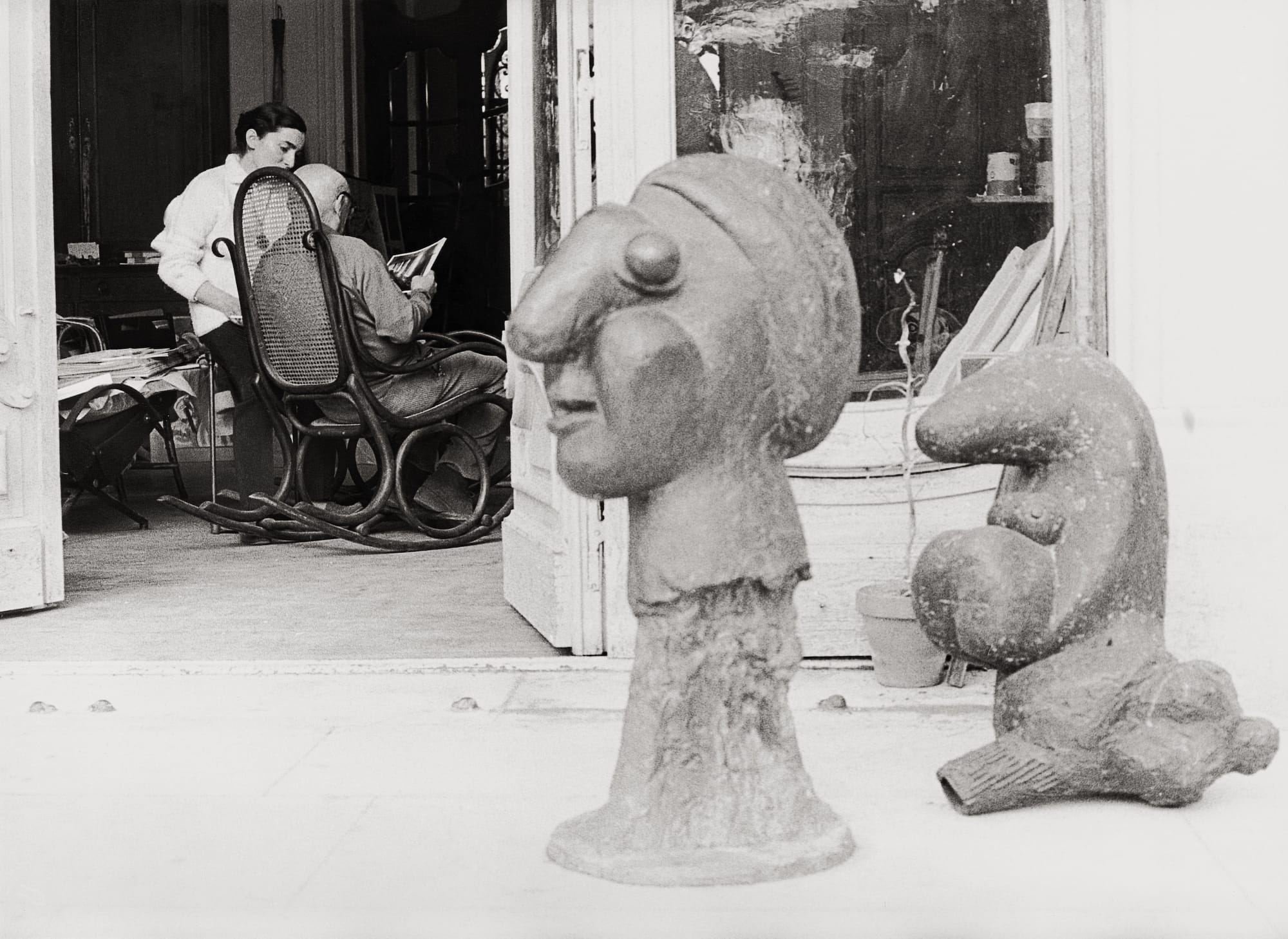
Today, we delve into Sue Roe’s latest work, Hidden Portraits: Six Women Who Shaped Picasso’s Life, which underscores the link between language and violence. This book sheds light on the individual narratives of women integral to Picasso’s life, both as wives and partners. It emphasizes their autonomy as artists and individuals, challenging the stereotype of them merely being “Picasso’s women.” The book urges readers to see beyond their roles as muses and confidants to a notoriously abusive and misogynistic figure. Bridget Quinn’s review offers insights that transcend Picasso himself.
Sue Roe’s book focuses on six women crucial to Picasso’s story. Although the book might benefit from greater complexity, its detailed research provides a necessary counter-narrative to the extensive literature centered on Picasso. Bridget Quinn reminds us of these women’s identities: “Those women were, by the way: Fernande Olivier, Olga Khokhlova, Marie-Thérèse Walter, Dora Maar, Françoise Gilot, and Jacqueline Roque.”