In the 2025 release “A Sexual History of the Internet,” Mindy Seu, an artist and researcher, presents an alternative archive that delineates the intersection of bodies, desires, technology, and power systems since the inception of the internet. Eschewing traditional academic formats, Seu combines performance, art book, and financial experiment to challenge the conventional, sanitized narratives of internet history. She highlights contributions from theorists, net artists, cyberfeminists, and sex workers—often overlooked figures who influenced the internet from its margins through platforms such as websites and chat networks.
Seu comments, “The Internet developed from a military-industrial complex so it’s no wonder that it has a fraught relationship with sexuality. A clear through line between the military and sex is power.” These power dynamics are evident in early web culture where expressions of online sexuality were often exploitative. Seu notes the crucial roles women played in technological advancements like chatting and cryptocurrencies, drawing parallels between past and present influences.
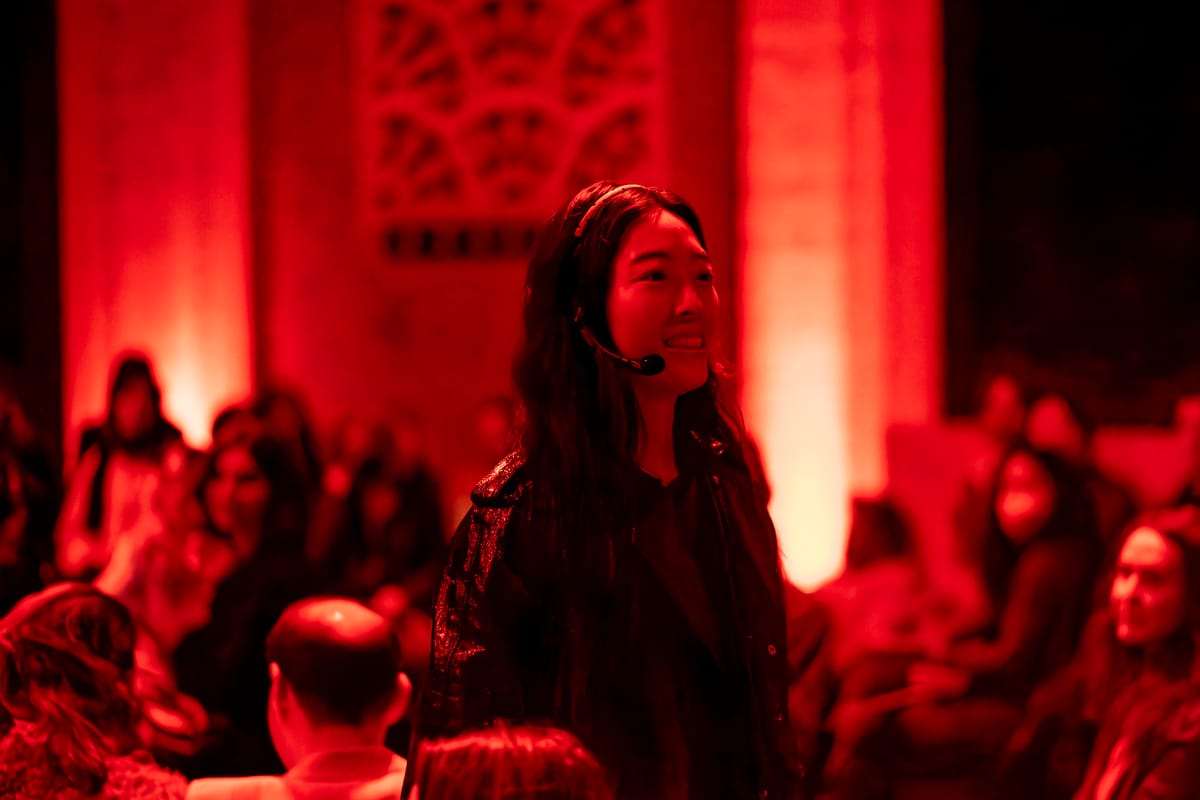
The book emphasizes both well-known and obscure milestones in computing, like ASCII porn and the first JPEG from a Playboy centerfold, giving equal importance to lesser-known narratives. Meg Miller, the book’s editor, remarks on Seu’s ability to gather and present these stories in an artistic and accessible manner. Initially, the project began as a lecture-performance, showcased in cities like Antwerp and New York, where Seu engaged audiences in unique, immersive experiences using Instagram Stories as a medium.
Despite the innovative use of Instagram Stories, limitations such as ephemerality and potential censorship by Meta prompted the creation of a physical book. Designed by Laura Coombs, the book is a compact, durable volume with over 700 pages, mirroring the performance’s digital experience while expanding it with visual elements. Published through Metalabel, it also introduces a financial model that redistributes 30% of profits to those cited, challenging traditional academic citation practices.
Seu’s work is described by artist Sarah Friend as not only highlighting overlooked narratives but also critiquing the exploitations and abuses of traditional internet ‘heroes.’ This project proposes a new cultural framework, positioning the archive as a form of activism, preserving informal knowledge, and resisting digital erasure. It invites us to envision a consensual internet through its multifaceted approach, from performance to book and beyond.