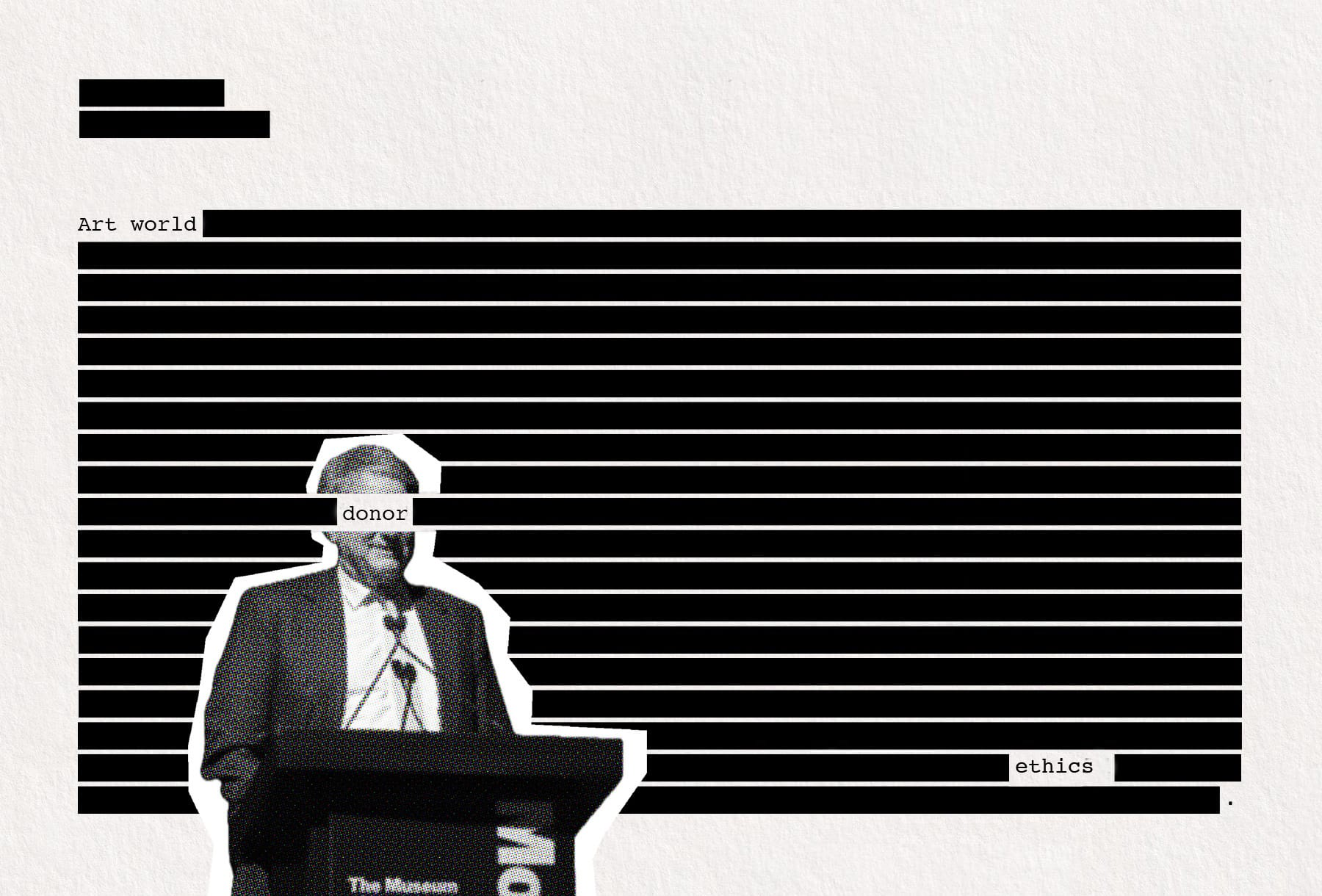
Before the revelations of the Epstein Files, the art world was already familiar with its own complexities. Even ahead of the disturbing accusations against Leon Black, a trustee of the Museum of Modern Art, and the unsettling endorsement of Epstein by School of Visual Arts chair David A. Ross, the close-knit ties between institutional leaders, donors, and trustees were evident. This network thrives on the exchange of money, donations, and favors.
The pressing question now is how to address this situation. In an insightful opinion piece, Editor-at-Large Hrag Vartanian challenges the art community to empower its leaders to refuse funding from corrupt sources and instead align with civic leaders who uphold integrity. The backdrop is a world where influential entities, like the Jeff Bezos-owned Washington Post, recently laid off 300 staff, including Pulitzer-winning art critic Sebastian Smee, highlighting the precarious balance between art and commerce.
Vartanian’s article is a call to action, rejecting the notion that the art world’s systemic flaws are unchangeable. As the Washington Post once famously declared, ‘Democracy dies in darkness.’ Now is the time to seek illumination. Lisa Yin Zhang, associate editor, reflects this sentiment, emphasizing the need for change.
Hrag Vartanian argues that the culture represented by Jeffrey Epstein is deeply entrenched in the art establishment’s power hierarchies, which exploit and degrade, fostering widespread cynicism. He urges the art community to revisit fundamental questions: Who truly benefits from our art? What sacrifices are we prepared to make for integrity?