Experiencing the loss of one’s own creations carries a unique sense of shame. It’s not a loud spectacle but a quiet, personal burden that discourages sharing. This feeling suggests that more responsibility or organization might have prevented it, and asking for help seems to confirm a fear of inadequacy.
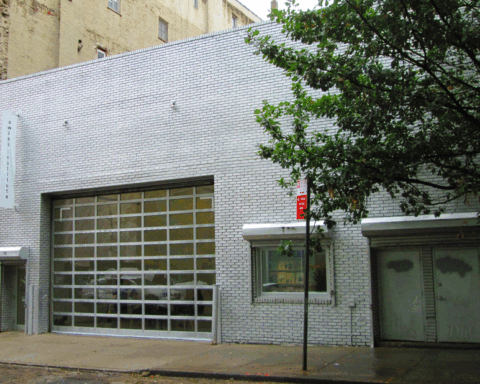
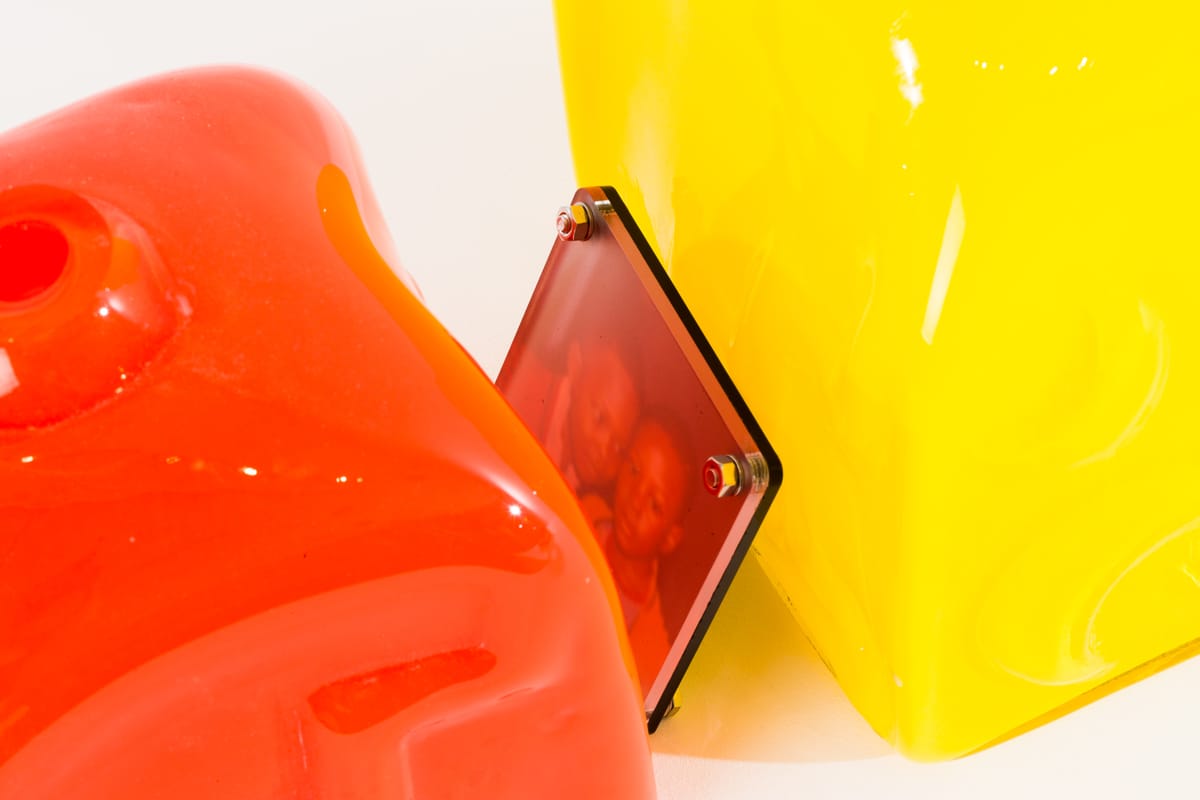
Years back, I couldn’t maintain payments on a Greenpoint storage unit in Brooklyn, where a significant portion of my work was kept. Sculptural elements and incomplete pieces were auctioned without warning, leaving my archive in others’ hands. A year later, a friend’s Instagram post alerted me that parts of my work were being sold as décor by a Philadelphia design shop, dismantling and monetizing my practice without my knowledge.
The loss wasn’t just of objects but authorship and context. My works, never intended to exist separately, were fragmented and reintroduced as mere aesthetic pieces. Jacques Derrida’s ‘Archive Fever’ highlights the archive as a site of power and exclusion, not just preservation. Losing control was not only material but also a loss of archival authority, showcasing how preservation intertwines with power, which often lies beyond the artist’s grip.
Artists seldom discuss this vulnerability, as their studios are seen as sacred. Yet, living project-to-project makes storage a precarious endeavor. Missed payments threaten the evidence of their labor, while public storage, marketed as neutral, remains vulnerable to various risks and is not designed for cultural preservation but for profit extraction.
In September last year, a fire ravaged a prominent artist studio in Brooklyn, obliterating decades of work. This catastrophe highlighted the lack of infrastructure to protect artists’ archives, disproportionately affecting those without financial backing. Such disasters, as seen with Hurricane Sandy, continue to shape how artists relate to risk and memory, emphasizing the fragile nature of art storage and the individual responsibility placed on artists for preservation.