On July 4, 2020, amid national debates over monuments following George Floyd’s death, President Donald Trump delivered a speech at Mount Rushmore, vowing its eternal preservation. He asserted, “This monument will never be desecrated,” emphasizing it as a perpetual homage to America’s forefathers and freedom.
Motivated by this moment, author Matthew Davis embarked on an exploration of Mount Rushmore’s history. In his book, ‘A Biography of a Mountain’ (2025), Davis investigates the monument’s origins and the narratives it conceals, particularly during the country’s turmoil in the pandemic and widespread protests.
Between 2022 and 2024, Davis journeyed to the Black Hills of South Dakota, engaging with Native communities and White settlers to capture a comprehensive picture of the monument’s significance. His approach, prioritizing oral histories over strict historical accuracy, uncovers the complex tapestry of stories surrounding Mount Rushmore and its location.
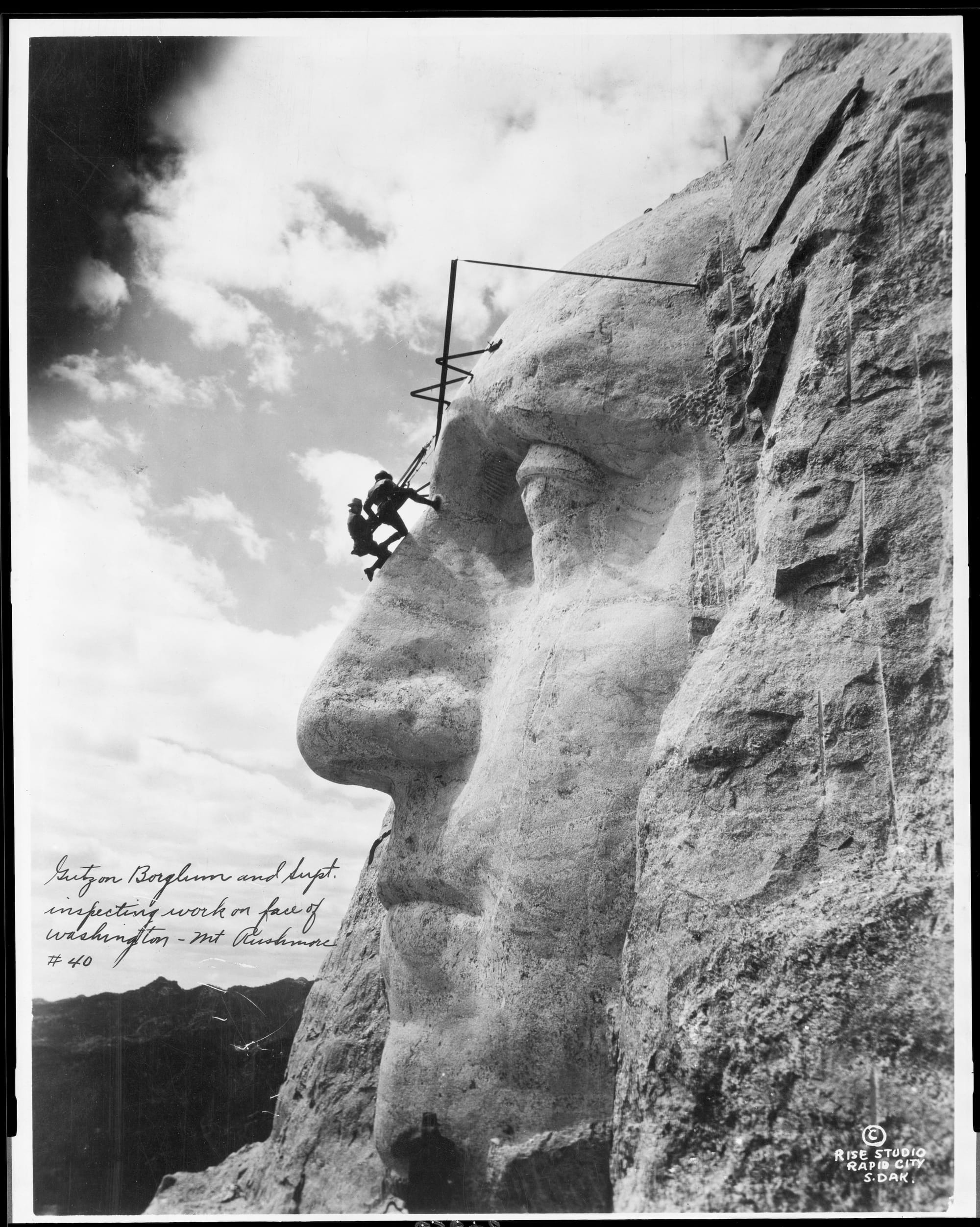
Through narratives from Native people, Davis highlights the region’s Lakota origins, conflicts, and the impact of boarding schools. He delves into the background of Mount Rushmore’s principal sculptor, Gutzon Borglum, revealing his controversial affiliations and vision for the monument.
The book also shares compelling stories of individuals like Amy Sazue, who honors boarding school victims, and Gerard Baker, the first Native superintendent of Mount Rushmore, who aims to reshape visitors’ understanding of American history. Davis concludes with a naturalization ceremony at Mount Rushmore in 2023, reflecting on America’s immigrant roots and cultural richness.