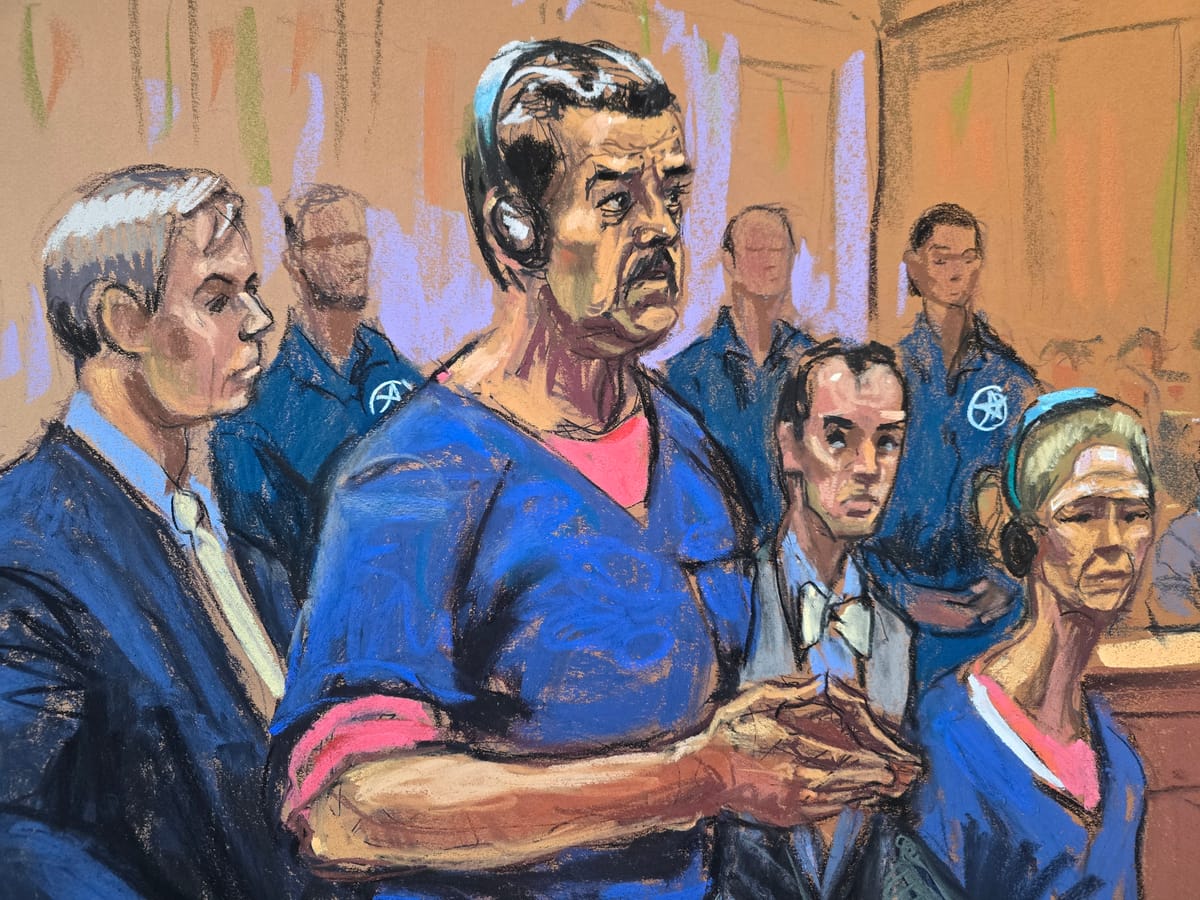
In a dramatic event early Saturday, January 3, the United States military launched an attack in Caracas, Venezuela, leading to the capture of President Nicolás Maduro and his wife, Cilia Flores. The operation, which resulted in at least 40 fatalities, including civilians, has been met with global shock and division. While some hailed the end of a dictatorship, others criticized President Trump’s motives, suspecting an ulterior motive to exploit Venezuela’s resources. The incident has reignited discussions about US interventions in Latin America’s history.
Hyperallergic reached out to artists and art workers in the Venezuelan diaspora for their personal insights on the situation. Contributions from Javier Téllez, Jeffly Gabriela Molina, Vero Bello, Cassandra Mayela, and Silvia Benedetti, who experienced the bombings firsthand, are included. Efforts continue to contact artists in Venezuela, who may fear repercussions for speaking out.
Javier Téllez, an artist residing in New York City but originally from Valencia, Venezuela, emphasized the importance of respecting national sovereignty. Despite his longstanding opposition to Chavismo, he strongly objects to any foreign intervention, including the recent US military actions. Téllez argues that such interventions historically result in tragedy and stresses that Venezuelans should determine their own future.
Jeffly Gabriela Molina, a Chicago-based artist from Táchira, Venezuela, expressed mixed emotions of hope and concern. While Maduro’s arrest initially seemed like a victory, Trump’s subsequent remarks about managing Venezuela and criticizing opposition leader María Corina Machado were disheartening. Molina highlights the crucial role of Venezuelan opposition in revealing regime crimes and advocates for international mechanisms to address oppressive regimes without endless debate.
Vero Bello, an artist from Caracas now based in Brooklyn, reflects on the ongoing struggles in Venezuela since her birth in 1998, the year Chávez came to power. She recounts her family’s experiences with violence and censorship, leading to their eventual relocation to the US. While she distrusts Trump, she acknowledges the oppressive regime’s impact on Venezuelans and expresses hope for a resolution that allows her to reconnect with her homeland.