ARLINGTON, Va. — Upon entering the exhibition, visitors are enveloped in otherworldly shapes that transform the space into a dream-like realm. A voice echoes as projected visuals play out on these forms, bringing them to life. Fabiola R. Delgado, the curator, describes Lisu Vega’s work, ‘The Uncertain Future of Absence (El Futuro Incierto de la Ausencia)’ (2025), as a landscape where one can wander and lose oneself. Vega’s pieces are part of the exhibition Tactics for Remembering, alongside works by Reynier Leyva Novo and Amalia Caputo, on display at the Museum of Contemporary Art Arlington through January 25.
In early 2025, the Trump administration’s strikes on Caracas and the abduction of President Nicolás Maduro brought relief to many Venezuelan expatriates. However, ongoing boat strikes, detentions, and deportations have spread fear and confusion across the region. The exhibition, located near Washington, D.C., offers a striking contrast to the current political climate, inviting visitors to explore other perspectives amid immigration crackdowns and regional unrest.
Delgado organized this exhibition with a focus on the works of Venezuelan and Cuban artists, viewing them through a Caribbean lens. Although the artworks lack explicit activist messages, their proximity and context confer new layers of meaning. The DMV area, home to increasing Cuban and Venezuelan diasporas, has seen significant rises in immigration arrests, heightening tensions in the community. The cessation of programs like the CHNV parole and TPS for Venezuelans further jeopardizes these communities.
Vega’s installation, created with Carlos Pedreáñez, combines mixed-media sculptures with audio and visual projections, merging memories and reality. The forms, made with recycled materials, draw inspiration from Indigenous Wayuu weaving traditions. Vega’s work reflects on her Venezuelan heritage and the parallels she perceives between her homeland’s past and America’s present political environment, evoking feelings of fragility and alienation.
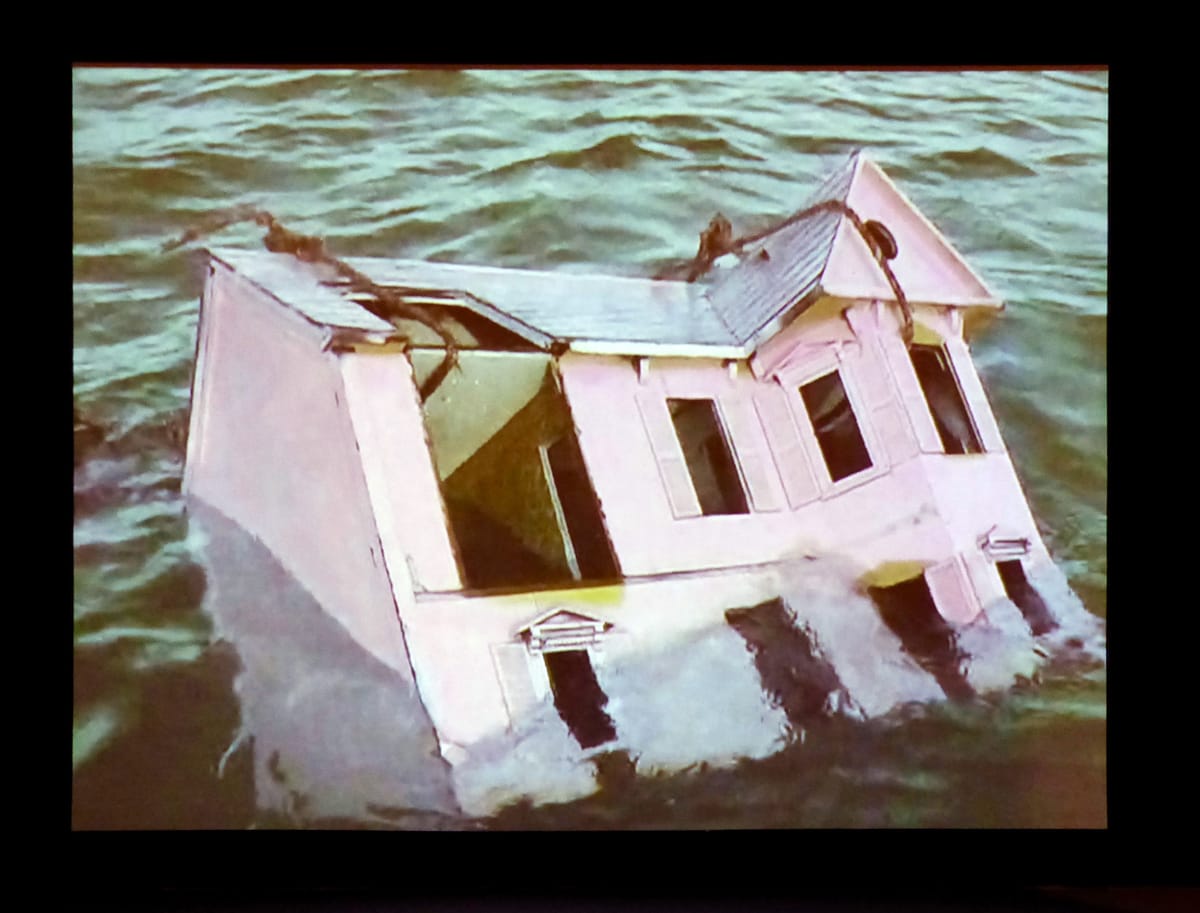
Nearby, Novo’s ‘Solid Void’ features 50 white gypsum cement objects, representing hollow vessels. These ghostly forms symbolize emptiness, a feeling Novo experienced upon moving from Cuba. Across the hall, Caputo’s video installation, ‘La casa (de Hestia),’ explores themes of migration and the burdens of womanhood. The exhibition, as Delgado notes, highlights the connections between Venezuela and Cuba, transcending man-made borders and emphasizing the sacrifices of migration.