MINNEAPOLIS — My first experience of getting lost in Minnesota was as a teenager. My father struggled to find work in Seattle until he secured a translation position, prompting our move to this state. We settled in the suburbs, and I was eager to explore the city. On my first Metro Transit bus ride, I ended up at the Mall of America in Bloomington. In search of a transfer to Minneapolis, I lost my bag. As a minor without a phone and new to the area, I didn’t know how to contact home. My only goal was reaching the Brian Coyle Community Center. That day, about five people from various backgrounds helped me — offering a bus pass, a phone call home, and waiting with me for the right bus. This story reflects Minnesota’s essence. Kindness is deeply rooted here, embraced by many of us — from East African refugees to those from Southeast Asia — who call this snowy and welcoming state our second home.
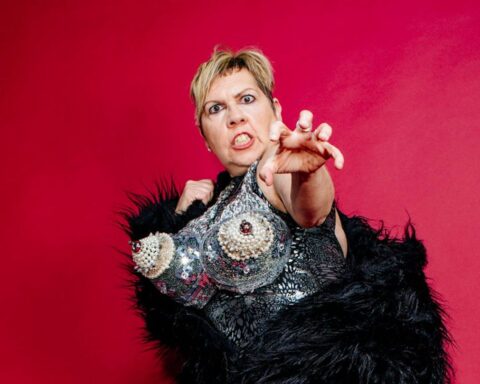
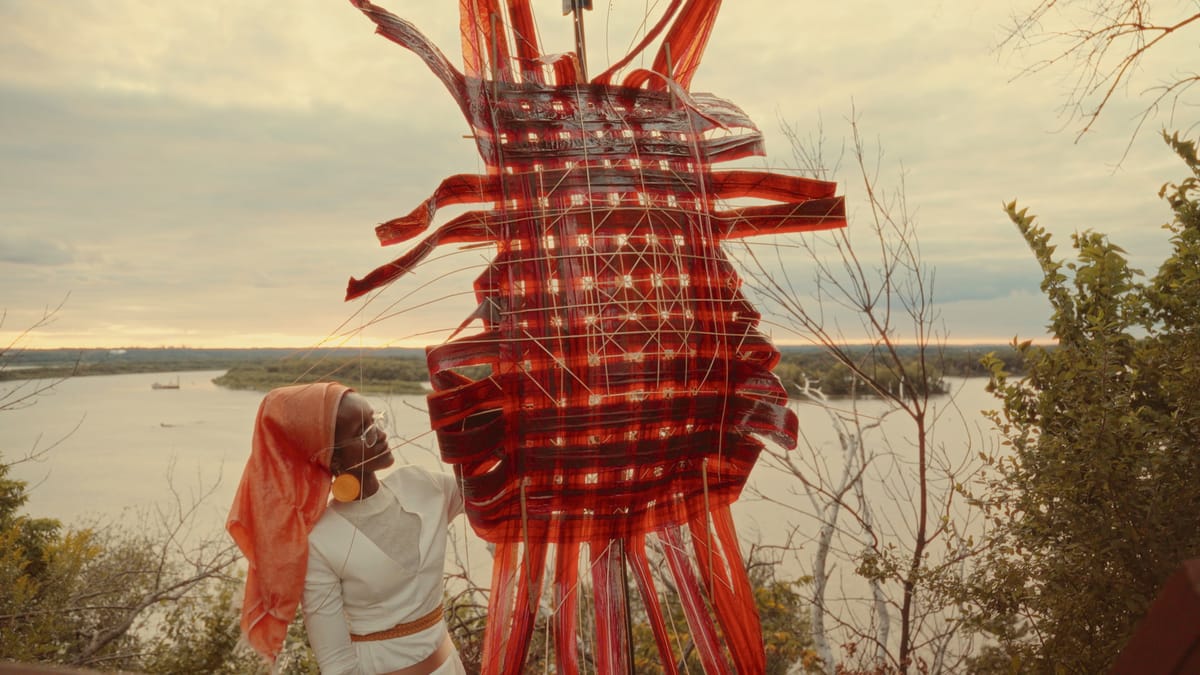
Growing up here, I cherish the diversity of languages and the joy of the first snowfall. Minnesota is my home. Before Somalis settled here, this place held a profound history, and it is where I discovered my passion for art — my life’s calling. I became enamored with showcasing the incredible strength of refugees through storytelling. My works, including the one-act play “How to Have Fun in a Civil War” (2016), the “Healing Aqal” (2020) installations around Minneapolis, and the public art project “Weaving Abundance” (2024), highlight the cultural traditions of Somalis, Muslims, and Black communities. I aim to present the past’s beauty as a living archive, not mere nostalgia, using historical tools to heal the present and shape the future. My work is anchored in radical imagination, abundance, kindness, and collective care.
Today, the world recognizes us — the Somalis. We make our presence known, excelling in speed and success. Yet, the trauma we’ve endured is easily overlooked. I recall my childhood in Mogadishu, wishing for the civil war to end, hoping peace would come with daylight, and worrying about food for loved ones. As an educator for English Language Learners at a community center, I witnessed Somali elders working hard in silence, maintaining hospitals and malls while saving to open businesses. Their visible exhaustion was matched by their resilience.
Now, as Somalis in Minnesota, we face a world that questions our presence, as though we don’t belong. Living here feels like being slowly stripped of our identity. The pain of a community targeted by government actions is profound, yet not unique. Similar oppression has happened to others before us. In familiar places, whispers ask if we’re safe, and even lifelong residents hesitate before crossing streets, fearing unexpected disruptions. The morning bus, once a sign of opportunity, now poses the question: Will a loved one be detained before reaching home? Violence has turned familiar territories into guarded spaces.
And yet, I reflect on the kindness I once received when lost and wonder not about what’s been taken, but about what we can build from what remains. Violence attempted to erase us in our first home, and now it tries again in our new one. But we stand firm, embodying generosity, kindness, and authenticity. We have experienced peace’s beauty, and because of that, we remain resilient and rightfully belong. In the stillness of snow, we find solace in ourselves and each other, affirming our worthiness of peace, belonging, and dignity. As an artist, Somali, and American, I ponder my role in these times. I am here to witness, not to dwell in grief. Our greatest strength lies in our ability to create and nurture life within ourselves and our communities. We live courageously, for we must. The world is starting to see us, and with tomorrow, kindness will follow.