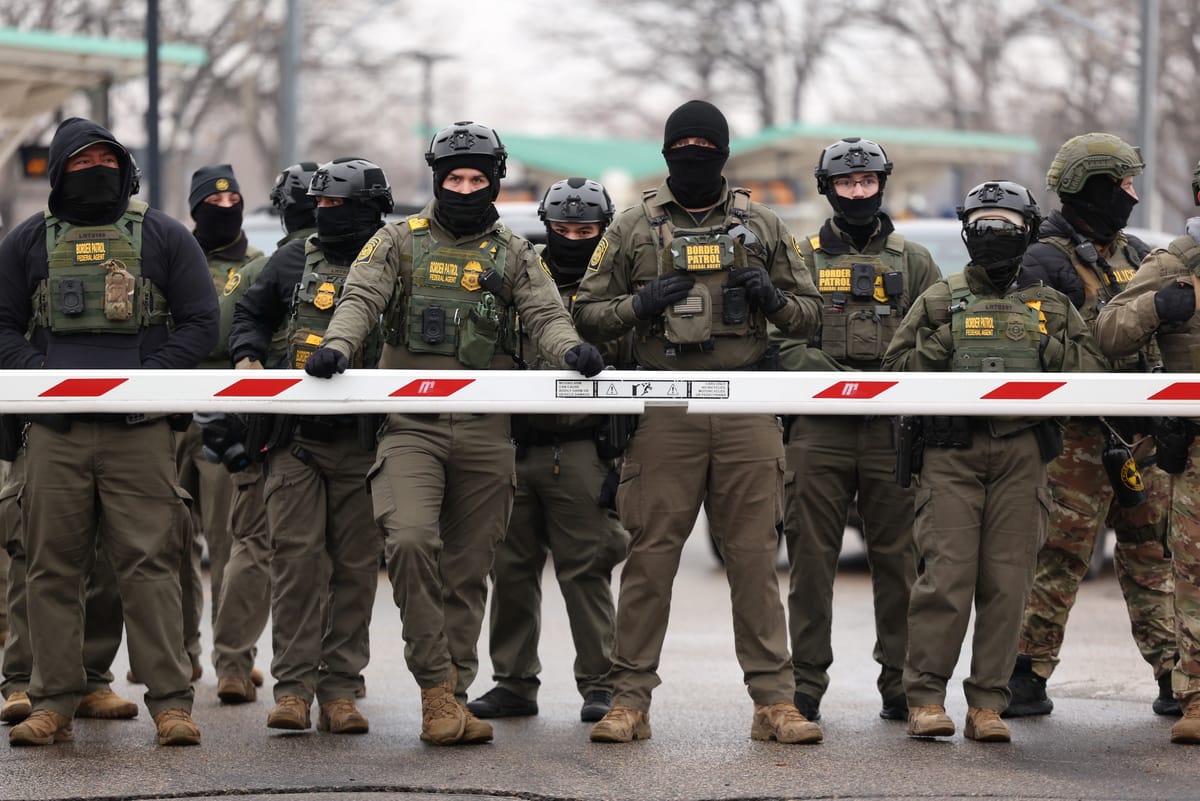
Recently, social media has been awash with art galleries expressing solidarity with protests against Immigration and Customs Enforcement (ICE). These posts, characterized by simple black text on white backgrounds and promises to support communities, have prompted questions about whether galleries’ actions can withstand the current moral scrutiny. While many statements appear genuine, the art world often sees sincerity morph into mere stylistic choices, leaving business practices unchanged.
This phenomenon is known as performative allyship, exemplified by past gestures like wearing safety pins or posting black squares on social media. These actions aim to position individuals and institutions on the ‘right side of history’ without requiring actual change. However, not all frictionless allyship is performative. Even well-meaning gestures can leave the status quo intact, such as giving staff a day off on a quiet Friday while maintaining the same business operations.
True solidarity involves introducing friction—changes that affect schedules, budgets, or contracts. During the Civil Rights movement, lunch counter sit-ins disrupted businesses, forcing patrons to confront racial injustices. Similarly, protests against ICE aim to disrupt the smooth, distant processes of immigration enforcement by causing public inconvenience and making the impact of these policies visible.
Today’s