Editor’s Note: This article discusses topics of sexual assault. For assistance, reach out to the National Sexual Assault Hotline at 1-800-656-HOPE (4673) or visit online.rainn.org.
Just days before the storming of the Bastille by armed Parisians and sans-culottes, its infamous prisoner, Donatien Alphonse François, better known as the Marquis de Sade, had been relocated. De Sade epitomized the decadence and depravity of the ancien regime. An atheist and hedonist, he viewed life through a lens of power dynamics, as illustrated in his novel Justine, Or, the Misfortunes of Virtue.
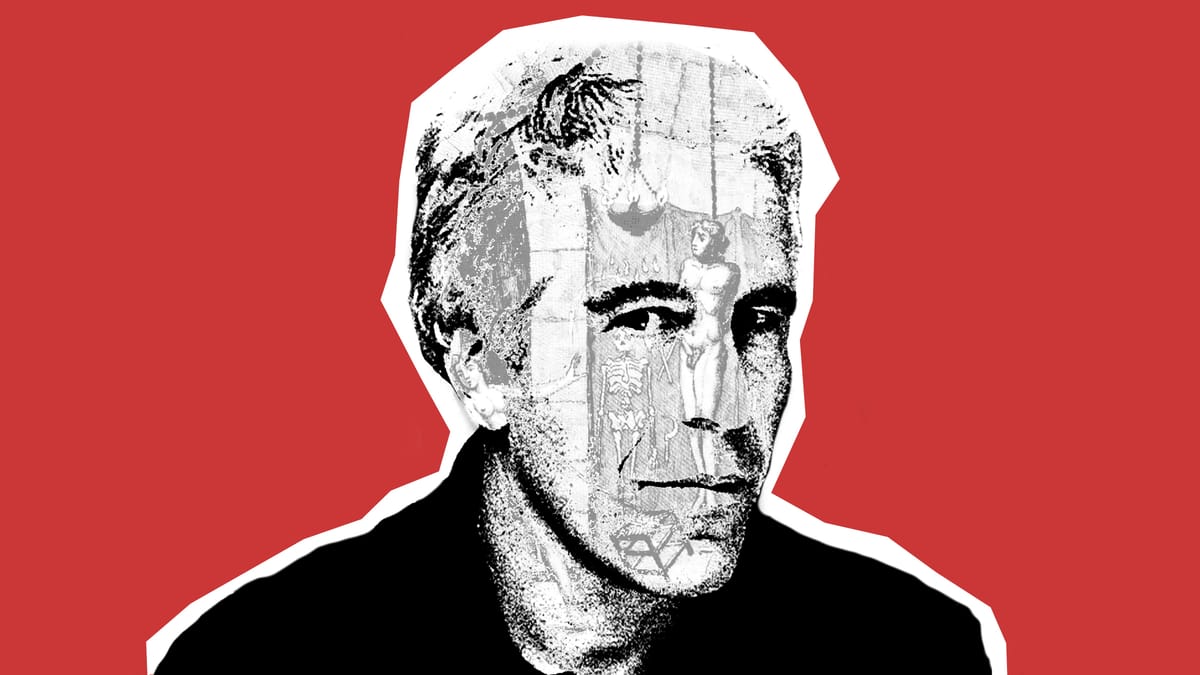
In today’s world, de Sade might find himself mingling with figures as diverse as Stephen Bannon and Noam Chomsky, much like Jeffrey Epstein, who mirrored Enlightenment libertines in his self-presentation and intellectual pretensions. Despite a cumbersome legal process involving 3.5 million files, Epstein’s connections to figures like Elon Musk, Bill Gates, and Donald Trump have come to light, revealing a stark portrait of his inflated self-image and disregard for consent.
Epstein’s misinterpretation of works like Nabokov’s Lolita further underscores his intellectual shallowness. He projected himself as akin to Humbert Humbert, despite the book’s true commentary on predation. Epstein’s actions echo de Sade’s legacy, where pleasure was derived from the violation of others, a principle rooted in aristocratic entitlement and perpetuated by the ultra-wealthy.
Notably, de Sade’s writings, including The 120 Days of Sodom, chronicle horrific acts, resonating with Epstein’s own crimes. This shared ideology reflects a cultural shift from aristocratic excess to capitalist indulgence, as seen in Epstein’s associations with art world elites and his disturbing art collections. De Sade’s transformation into ‘Citizen Sade’ during the French Revolution exemplifies his adaptability, a trait mirrored by Epstein’s interactions across political and social spectrums.
Ultimately, the mundane reality of Epstein’s network reveals a pervasive societal issue, where wealth and power shield the elite from consequences. While de Sade’s writings lack literary merit, their candidness highlights a world where justice is arbitrary, a sentiment echoed in the societal acceptance of abuse and exploitation by those in power.