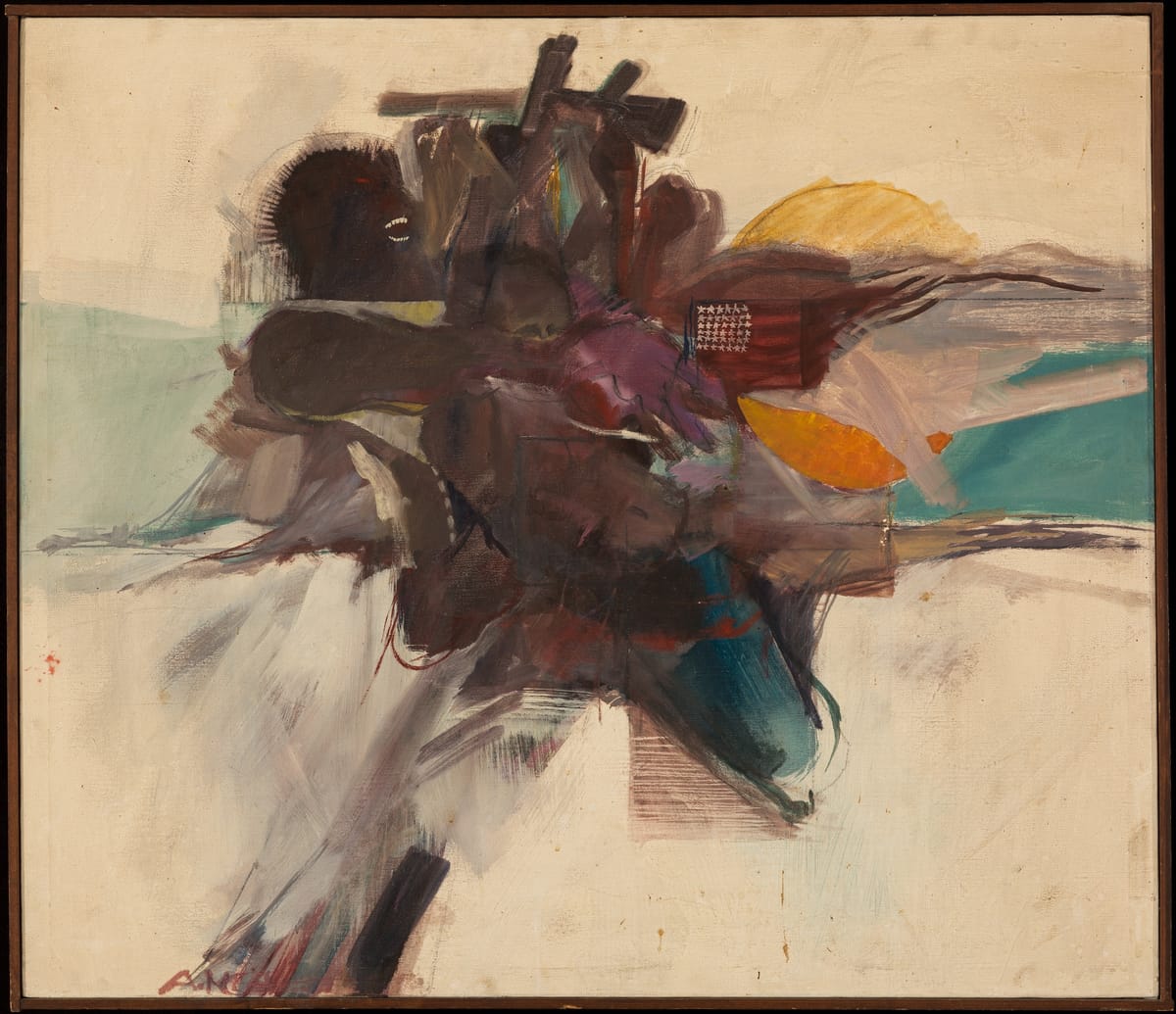
After more than a decade, the Detroit Institute of Arts (DIA) is revamping its African American galleries for the first time since 2007, integrating new acquisitions with beloved classics. The exhibition, Reimagine African American Art, charts the trajectory of African American culture, offering insight into the lives, successes, and resilience of Black artists. Situated in a central gallery next to Diego Rivera’s renowned Detroit Industry Murals, these newly arranged galleries cover nearly 200 years of artistic output, from the 1800s when African Americans began overcoming significant barriers to become professional artists, to the 1980s when they gained wider recognition both nationally and internationally.
“These artists were active in the 18th century, and some even earlier,” explains Valerie Mercer, Curator and Head of the DIA’s Center for African American Art. “African American history is not sufficiently taught in schools. Despite extensive study of art history, including an undergraduate degree from New York University and a graduate degree from Harvard, I never encountered a course on African American art.”
In 2001, Mercer became the DIA’s first curator focused solely on African American art in a comprehensive American museum. The museum initiated its African American art collection in 1943, and the establishment of the Center for African American Art in 2000 reinforced its dedication to preserving and showcasing this legacy. Today, the DIA boasts one of the nation’s most significant collections of African American art.
Four dedicated galleries delve into pivotal historical movements such as the Harlem Renaissance, Social Realism, the Civil Rights era, and the Black Arts Movement, showcasing a diverse range of media, including drawings, prints, photography, paintings, and sculpture. Artists featured include Robert S. Duncanson, Mary Edmonia Lewis, Aaron Douglas, Dox Thrash, Hale Woodruff, and many others.
The galleries unite centuries of artistic innovation, providing a richer comprehension of African American art’s vital role in U.S. history. When the DIA’s updated Contemporary galleries debut in 2026, African American art will be contextualized within a broader global framework, alongside works by artists from Detroit, Asia, Latin America, Africa, Europe, and beyond.
For more details, visit dia.org.