In the wake of Israel’s airstrikes on Lebanon following the US-led offensive on Iran, Joumana Asseily has temporarily shuttered her Beirut art gallery. Established in 2015, Marfa’ Projects was conceived as a space for showcasing regional art in Beirut’s Port District. The gallery suffered damage in 2020 due to the massive explosion of improperly stored ammonium nitrate, which resulted in over 200 fatalities. Despite the destruction, Asseily expressed her determination to renovate and reopen the gallery.
On March 5, as Israeli forces targeted areas south of Beirut, Asseily opted to close Marfa’ Projects for safety reasons. “We were content, hosting visitors for our exhibition, when the evacuation alerts began,” she shared with Hyperallergic during a phone call on March 6. Consequently, Asseily decided to temporarily leave Beirut for a scheduled work trip to Paris, even though her gallery and residence are situated outside the directly impacted zones.
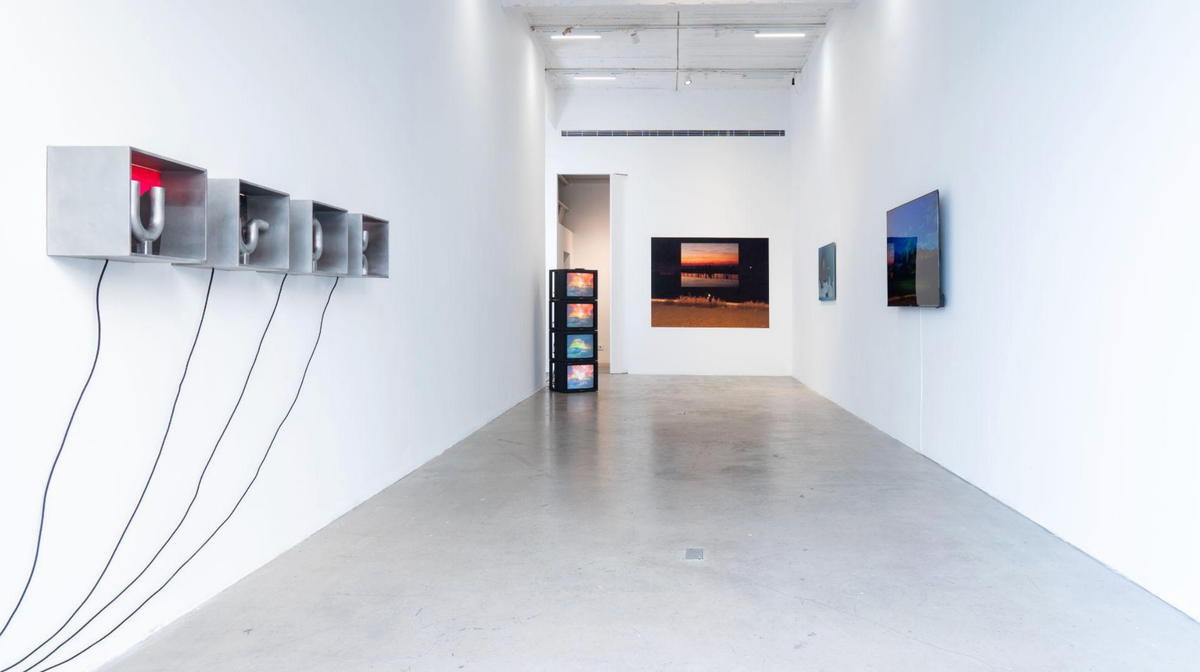
The recent escalation led to widespread evacuations and traffic congestion as residents fled. Meanwhile, Sfeir-Semler Gallery in downtown Beirut continues operations, as confirmed by a recent Instagram update. Marfa’ Projects is currently showcasing Lebanese filmmaker Rania Stephan’s exhibition titled Isn’t It About Time, which intriguingly delves into apocalyptic themes in science fiction. “It’s fitting,” Asseily remarked about the exhibit. “It’s reflective of our current reality and the questions we face.” Despite the turmoil, Asseily remains committed to her work in Lebanon, emphasizing the importance of regional artistic expression.