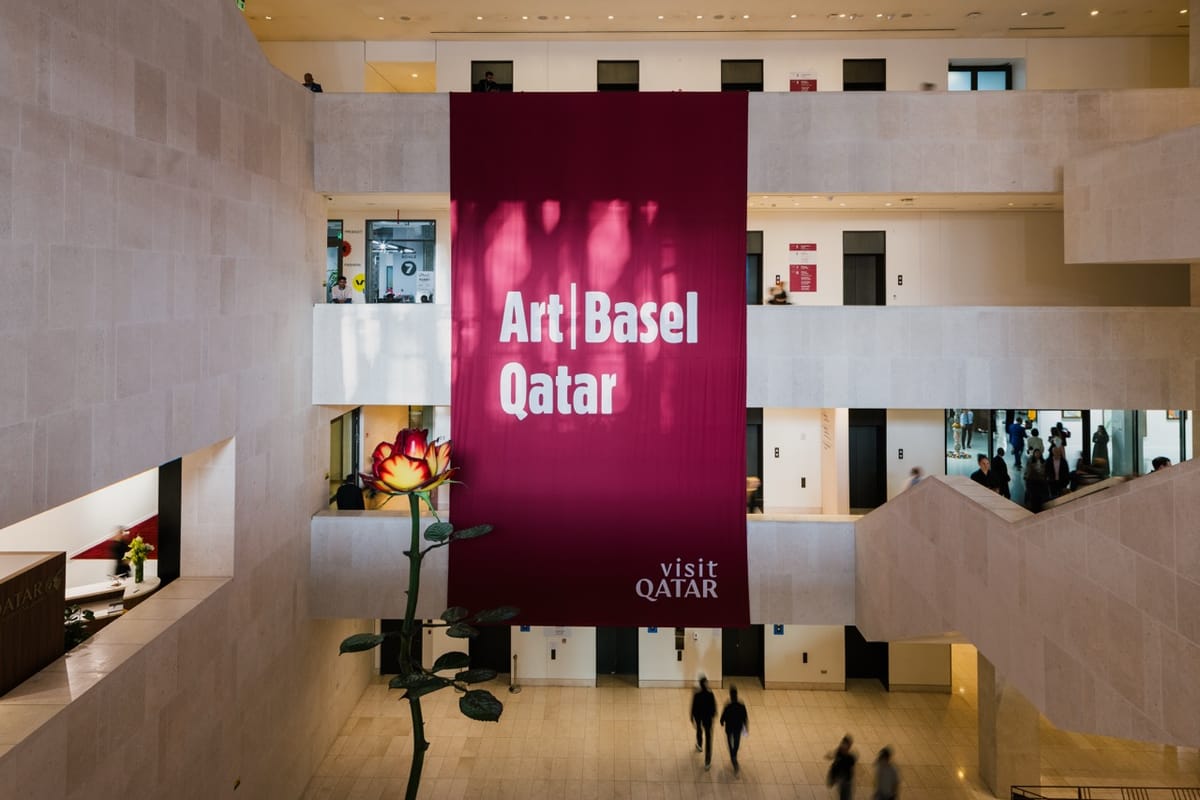
In February, Art Basel Qatar launched, purporting to highlight Qatar’s ‘vibrant cultural landscape’ and ‘dynamic arts ecosystem.’ However, this portrayal starkly contrasts with the reality known to those who grew up there, particularly within the LGBTQ+ community. The environment is heavily restrictive, with severe consequences for those who deviate from societal norms, making the open and dynamic image presented at the event misleading.
Individuals in Qatar must conform to strict societal and familial expectations, with the ruling class maintaining a tight grip on power. The country, home to nearly three million people, operates under a classist system where familial ties to the ruling family dictate one’s social and political influence. Growing up in this environment, many were indoctrinated to prioritize religious and national duties over personal freedoms, including the freedom to love or express one’s identity.
Despite Qatar’s attempts to present itself as a modern nation through hosting global events like the FIFA World Cup and Art Basel, these efforts often mask the underlying authoritarian regime. The country uses these platforms to align itself with progressive values externally, while internally maintaining strict control over its population, particularly targeting LGBTQ+ individuals.
Visitors attending such events can express themselves freely, enjoying liberties denied to locals. This discrepancy highlights the performative nature of Qatar’s cultural promotions, which fail to acknowledge the lack of genuine freedom for its citizens. The global community often overlooks these issues, continuing to participate in events that bolster Qatar’s international image while ignoring the human rights violations occurring within its borders.
The art world, which champions freedom of expression, should not ignore these realities. Artists and institutions have a responsibility to uphold truth and integrity, ensuring that art remains a medium for authentic expression and not a tool for oppressive regimes to manipulate global perception. It is crucial to recognize and challenge the discrepancies between the image Qatar projects and the lived experiences of its people.