A spontaneous visit to an open house in Los Angeles left two friends enamored with a fixer-upper perched on Mount Washington in Highland Park. The house, despite needing some repairs, was ideal except for its steep million-dollar price—a tough reality given California’s real estate market. They were particularly drawn to its mid-century modern style, a popular trend among millennials, including myself, who was introduced to it by a past partner who obsessively mentioned it.
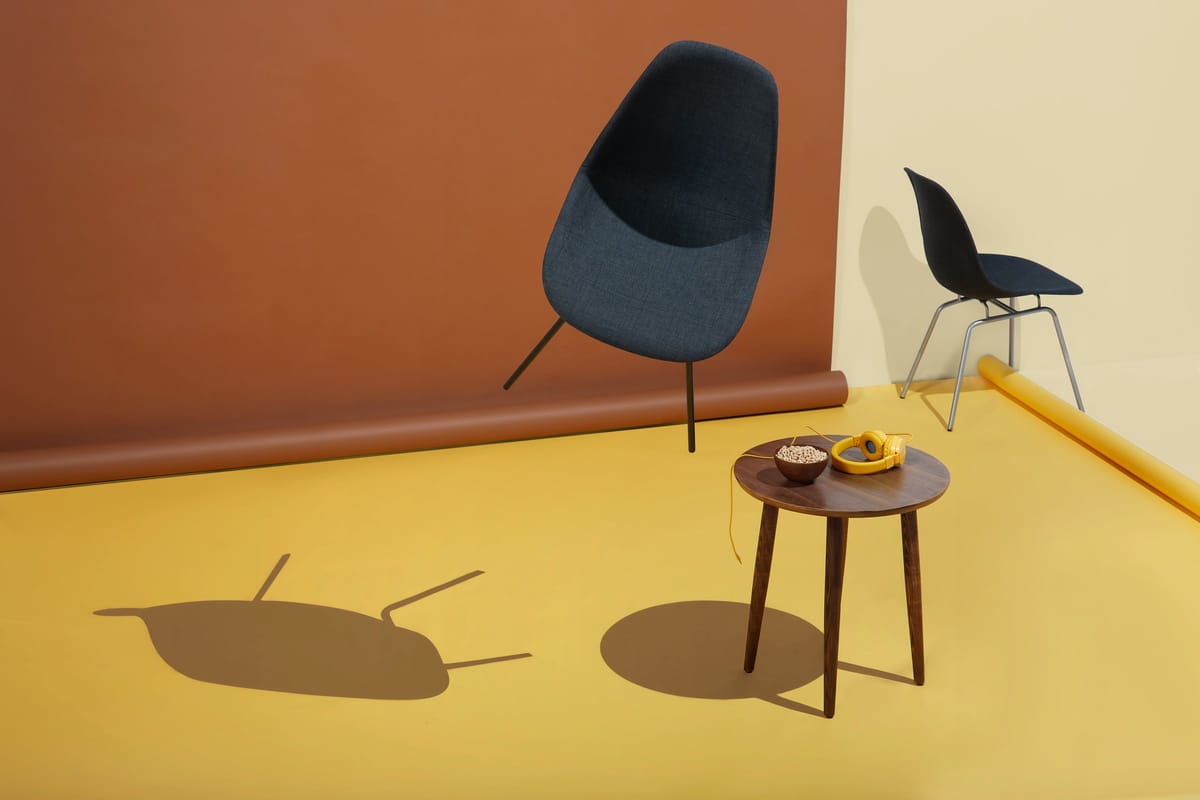
Mid-century modern design has become a staple on real estate sites, often characterized by walnut credenzas, tapered leg chairs, and minimalist fonts. Its appeal lies in its simplicity and functional aesthetics, offering a minimalist retreat in our technology-driven society. However, its cult popularity has overshadowed its original intent to provide affordable homes for the White middle class, as exemplified by the Case Study House Program initiated by Arts & Architecture Magazine from 1945 to 1966.
Today, these Case Study Houses are celebrated as artistic masterpieces, with some, like the Stahl House, serving as museums. Yet, owning such a home remains a luxury few can afford, unlike celebrities such as Kristin Wiig, who purchased a Case Study House for nearly $3 million. Meanwhile, companies like Design Within Reach strive to bring mid-century style to a broader audience, though affordability remains a barrier, with replicas like the Cesca Chair priced at nearly $1,000.
As we admire the allure of open spaces and floor-to-ceiling windows, it’s crucial to recognize the period’s less glamorous aspects, like outdated carpeting and boxy furnishings. Mid-century modern hails from a time nearly a century ago, and perhaps it’s time to focus on the societal goals that inspired it, like addressing current housing and wealth disparities. For now, my friends must move on from the house they couldn’t have, while I consider buying a home only once rent is manageable, though a Hans Wegner chair replica might fit my budget.