HOUSTON — Concerns about an AI-driven future are widespread, from job losses to the exploitation of human creativity for corporate gain, and even potential existential threats. This anxiety is compounded by the attitudes of some tech billionaires and figures like Grimes, who seem to blur the line between science fiction and real-world consequences. Artists worry that AI could undermine their work, raising the critical question: Can an ethical balance be struck between art and AI?
A visit to Imaging after Photography at Rice University in Houston suggests a positive answer. The exhibition argues that AI can drive innovation when artists critically engage with it. Alison Weaver, the executive director of Rice’s Moody Center for the Arts and co-curator of the exhibition, notes that technology reflects human biases as it’s not inherently neutral. She emphasizes the need for artists’ voices to be central in the AI discourse, countering the dominance of corporate interests.
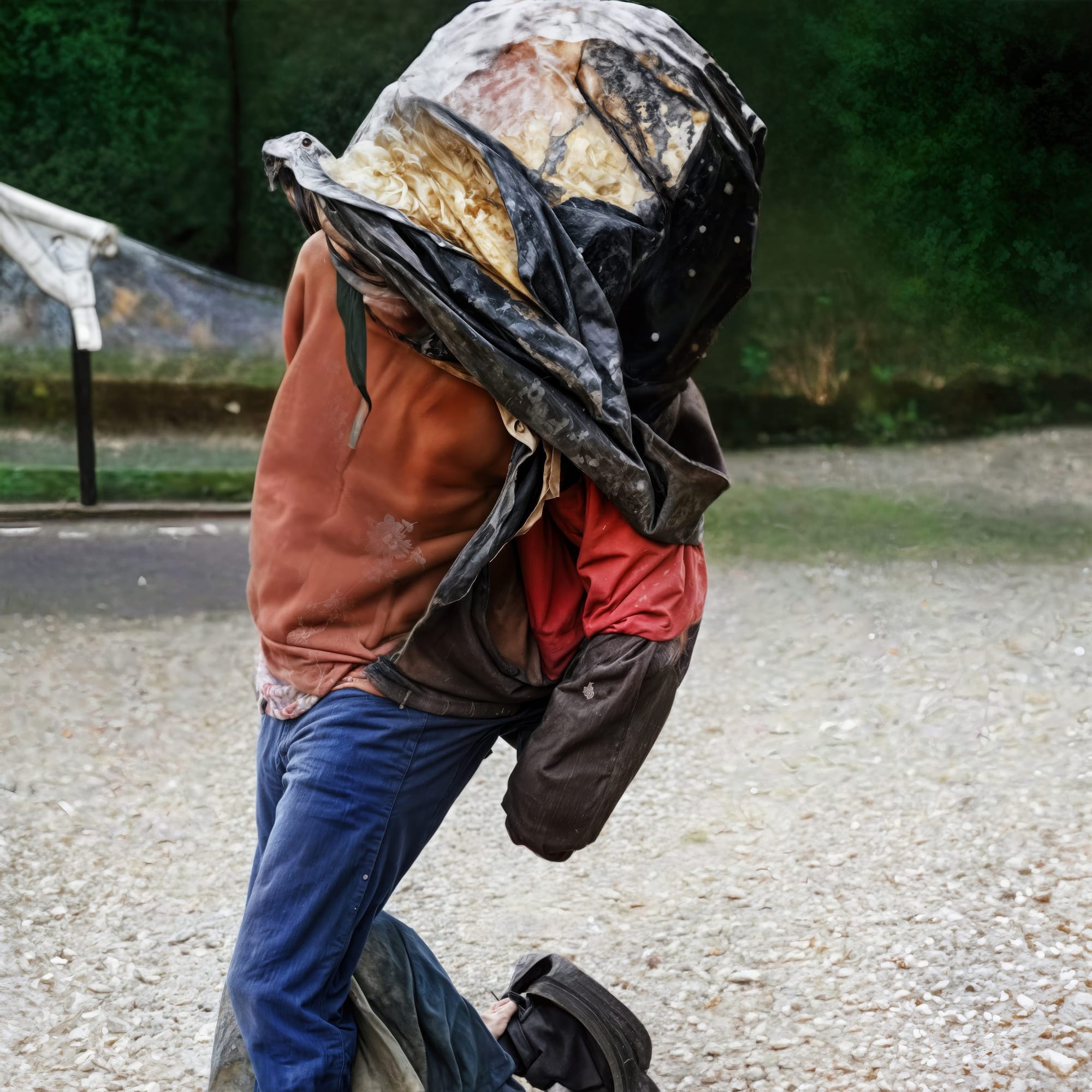
This exhibition isn’t a comprehensive survey but rather highlights how seven contemporary artists have explored AI’s impact on photography since 2020. It challenges the assumption that photorealistic images are inherently real, marking a shift to a post-photographic era. The artists ethically train their algorithms on personal or public domain data sets, setting a standard against plagiarism. Their work often features evolving images and conceptual grids, showcasing an iterative nature.
The exhibition’s most captivating works come from lesser-known artists. In the second gallery, speculative fictions unfold against a backdrop of rotating luminescent screens. Argentine artist Sofia Crespo’s work stands out, using AI to reimagine biological forms from Anna Atkins’s cyanotypes. Joan Fontcuberta’s series What Darwin Missed (2024) uses AI to create imagined species, challenging perceptions of reality.
Nouf Aljowaysir’s work critiques AI’s limitations by transforming colonial-era photographs of West Asia, creating voids where figures once stood. Her exhibition reveals AI’s biases, like misclassifying Bedouin homes and camels. This critique resonates as similar technologies are used in military contexts, highlighting the need for ethical considerations in AI’s application. The exhibition’s historic references to the 19th century echo a nostalgia for the unknown, prompting reflection on today’s surveillance and environmental challenges.