CHICAGO — Amid a mix of working artists, underpaid administrators, and affluent art enthusiasts willing to spend on $40 entry fees and $7 water bottles, a pressing question arises: How do Expo Chicago and its related art fairs benefit the local art scene? The straightforward answer is that art fairs primarily exist to sell art. However, the reality is more complex. Experiencing Chicago’s art fair week can feel like dissecting the Midwestern art ecosystem, revealing its vibrant and sometimes painful core. The Expo itself, a more refined fair, highlights both the triumphs and challenges facing Chicago’s creative sector.
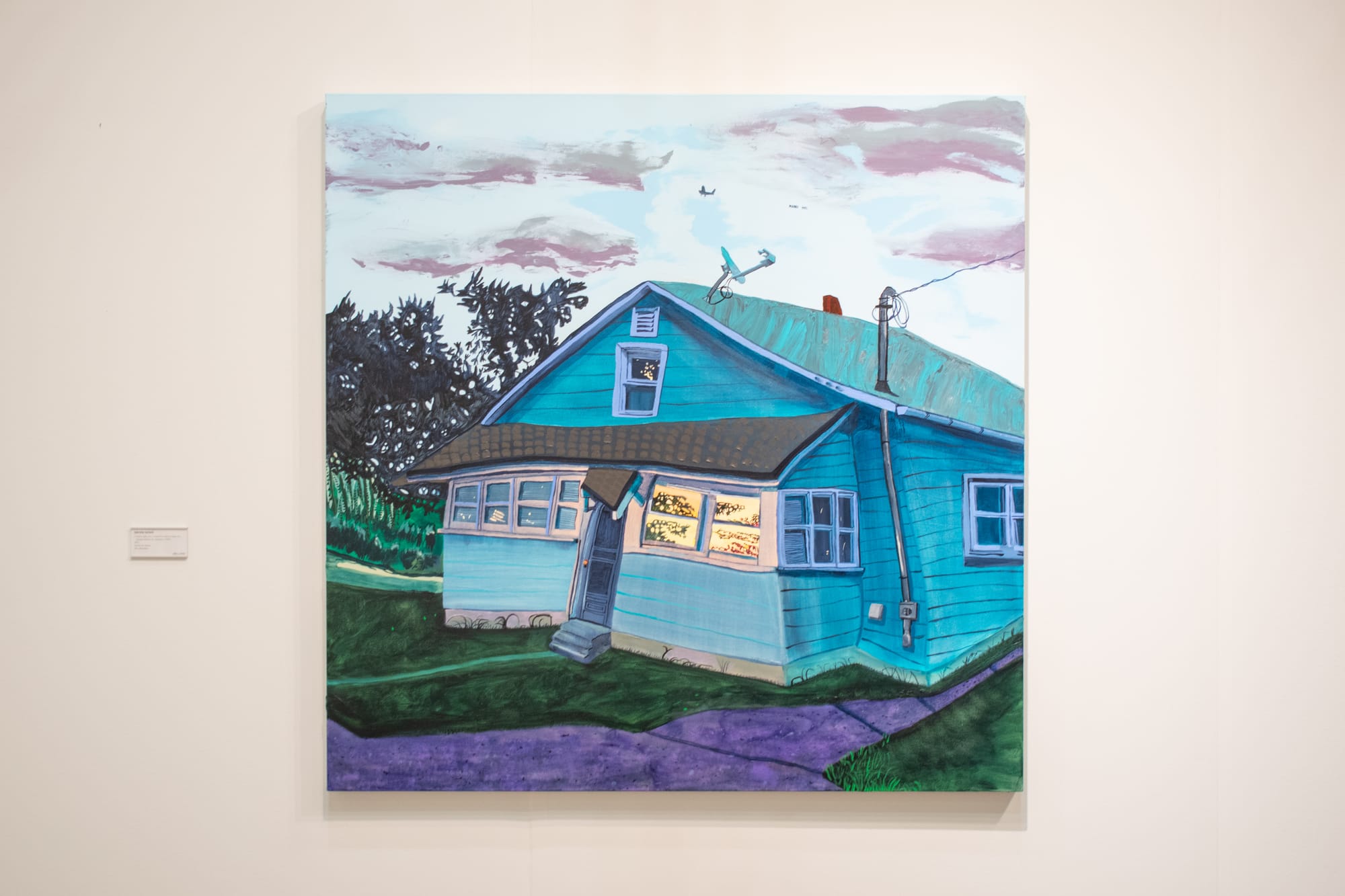
At the Expo, Andrew Rafacz Gallery showcased dazzling canvases by local artist Melissa Leandro, adorned with shimmering embroidered textile foliage. Leandro, who has been with the gallery for over a decade, expressed appreciation for the long-term support she receives, a rarity for many artists. Corbett vs. Dempsey featured works by Gabrielle Garland, who has longstanding connections with both the city and the gallery. Garland’s new paintings and drawings of surreal American domestic scenes saw success, with several pieces selling well. Both artists exemplify successful paths through Chicago’s art education system, maintaining hope despite rising costs.
However, Expo Chicago’s institutional aspects present a contrasting picture. Notably, the Obama Presidential Center occupied a significant portion of the fair, even as most other Chicago nonprofits were excluded. The Center’s booth featured materials from its public art program, aiming to generate interest ahead of its June opening. While the Center’s presence raises concerns among some South Side residents about potential gentrification, curator Virginia Shore remains optimistic about the Center’s arts initiatives.
Outside Navy Pier, Barely Fair offers a unique perspective on what art fairs can achieve. Despite its miniature scale, the fair’s reduced costs and creative freedom stimulate artistic innovation. Co-founder Roland Miller emphasized the importance of offering artists the opportunity to experiment. Meanwhile, The Other Art Fair and the new Neighbors fair present contrasting models. The Other Art Fair provides artists a direct sales platform, while Neighbors, situated in a wealthy area, showcases subversive works, albeit in a setting highlighting art market inequalities.
Back at Expo Chicago, the Artists in Public Schools booth stands out as a testament to the fair’s potential to enhance artist visibility and support local creative communities. This nonprofit offers paid residencies for artists to work within public schools, fostering art education. The booth’s impactful installation by artist Jonathan Michael Castillo, featuring works documenting immigrant student experiences, underscores the balance between financial risk and artistic exposure. Chicago’s fair week encapsulates the complex interplay of art, institutions, and community efforts, ultimately spotlighting the conditions under which art thrives locally.