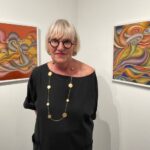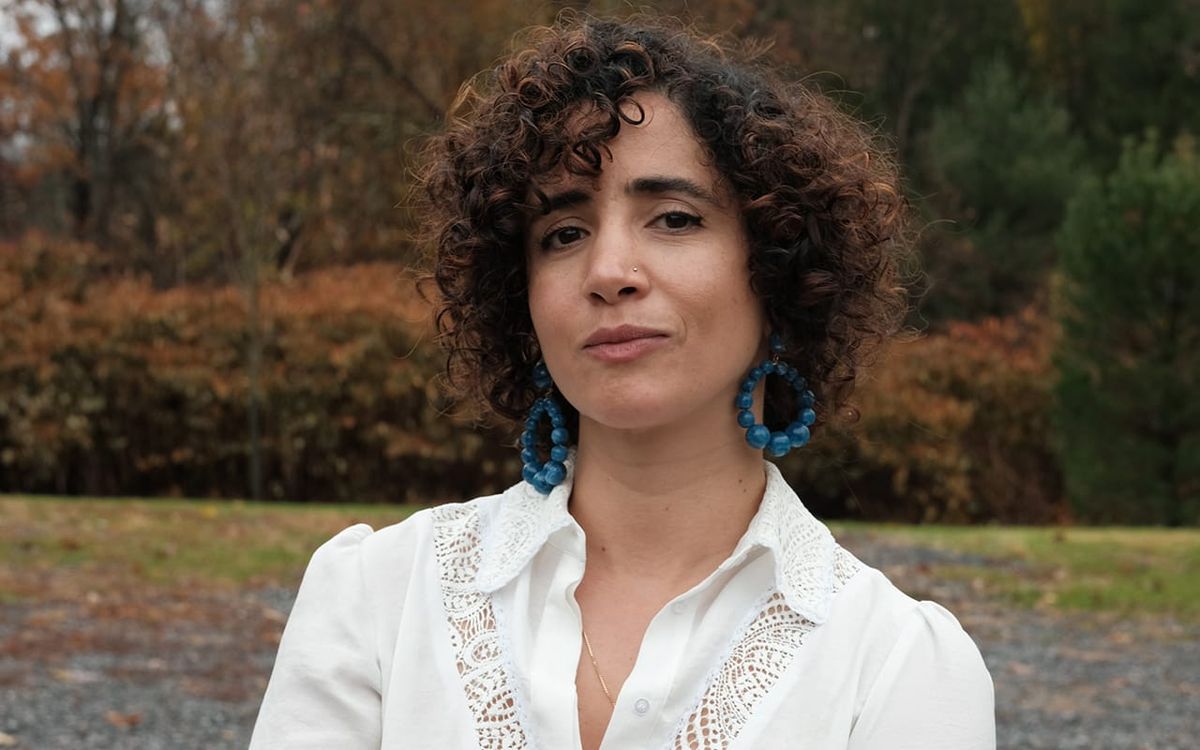
Originally intended as a profile of Tania El Khoury, a Lebanese multidisciplinary artist known for her innovative work, this article took a different turn due to the escalation of war. El Khoury, who holds the Creative Capital Award and serves as a Distinguished Artist in Residence at Bard College, is also the founding director of the Center for Human Rights & the Arts. However, following coordinated strikes by the US and Israel on Iran on March 2, Iran increased its attacks on Lebanon. Over 2,294 Lebanese, including 177 children and 91 healthcare workers, have been killed by Israel, with a significant number of deaths occurring on April 8, known as Black Wednesday, when Beirut was heavily bombed.
El Khoury, currently in Beirut for a sabbatical with her husband, historian Ziad Abu-Rish, and their daughter, Leyl, reflects on this challenging time. Their interactive performance piece, The Search for Power, based on a 2016 wedding blackout in Beirut, highlights the long-standing issues of power outages in Lebanon, tracing back to the 1920s. Originally set to perform in Beirut on March 12, the show has been postponed due to the conflict.
In a series of discussions, El Khoury shared her experiences and feelings about the ongoing crisis. She expressed anger and mourning over the war’s destruction and loss of life, while also acknowledging her relative safety compared to the millions displaced. Despite the ceasefire on April 16, reports of Israeli violations continue, and caution is advised for those returning home.
El Khoury spoke about her journey to becoming an artist, which was not initially clear, given her traditional education and non-artistic family background. She recounted how her father’s skepticism about her career path changed when she successfully auditioned for the Lebanese University. Her academic journey took her to London for advanced degrees before her current role at Bard College, where she values the freedom to engage students critically on issues like the Gaza genocide.
Her work, often focused on nature’s resilience, offers moments of calm amid violence. Pieces like Memory of Birds and Sejjah lil Malta provide sensory experiences that juxtapose tranquility with heavy themes. El Khoury sees her art as a form of ‘revenge art,’ challenging dominant narratives through knowledge production. She notes the calming effect of her multisensory approach, which includes the use of smell, a powerful, evocative sense that she believes enhances the embodiment of art.