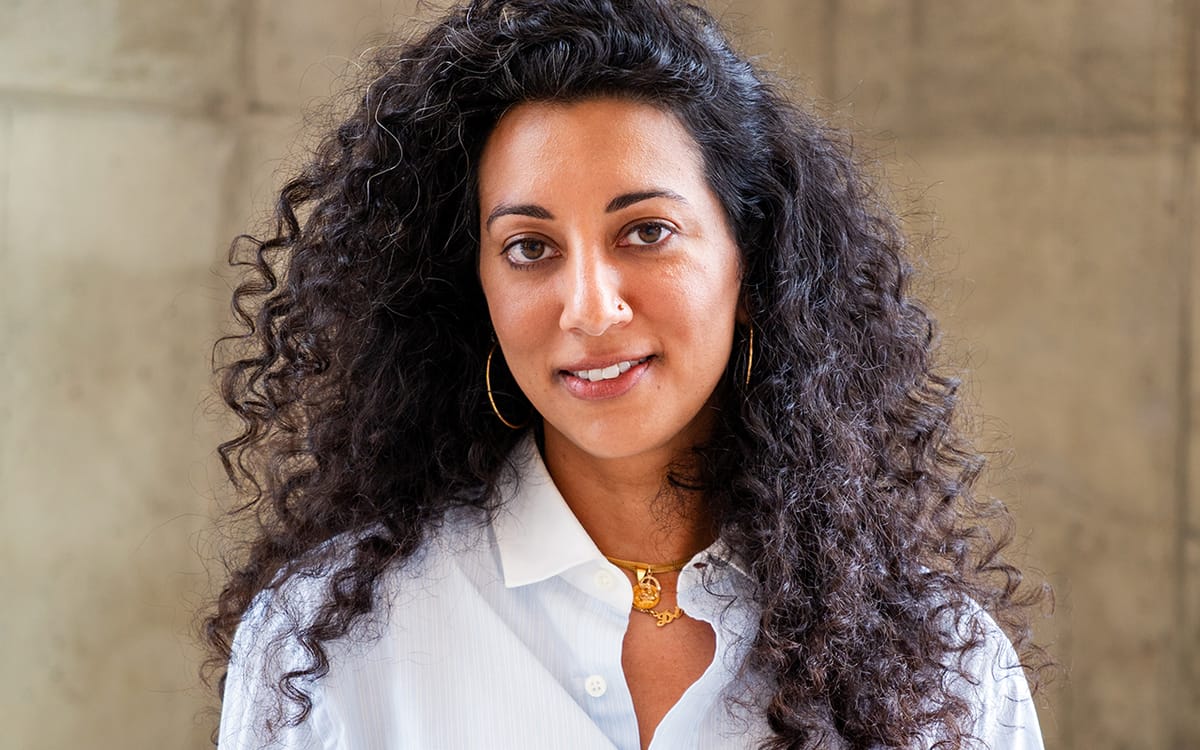
New York City’s art community is optimistic as Diya Vij steps into her new role as cultural affairs commissioner, tasked with addressing the affordability challenges that have driven many artists out of the city. This comes amid reduced federal arts funding under the Trump administration and the high cost of living that has made it difficult for artists to remain in New York.
Laura Raicovich, the former executive director of the Queens Museum, expressed her confidence in Vij’s appointment, stating, “I can’t think of anyone more appropriate for this role at this moment in time, particularly under Mayor Mamdani’s vision for the city.” She emphasized the critical role artists play in enhancing the city’s vibrancy, which current conditions threaten.
Mayor Zohran Mamdani appointed Vij, a seasoned arts administrator and Powerhouse Arts’s former curatorial vice president, to lead the Department of Cultural Affairs (DCLA). With a $300 million budget, the DCLA supports some of New York’s most prestigious cultural institutions. Mamdani has committed to maintaining the city as an affordable haven for artists, while Vij acknowledged the financial pressures forcing artists to leave.
A new report from the Center for an Urban Future highlights a 4.4% decline in the city’s artist population since 2019, attributing this trend to inadequate affordable housing and lower earnings compared to other areas. The report calls for significant measures to increase housing supply, including set-asides for artists, a step that policymakers have been hesitant to implement.
Vij’s role involves influencing policy as a city commissioner, managing DCLA’s responsibilities, which include overseeing cultural institutions, distributing grants, and funding construction or renovation projects. However, creating artist-specific housing remains complex due to federal laws that do not classify artists as a targeted group, unlike low-income families or individuals with disabilities.
Tom Finkelpearl, former cultural affairs commissioner, believes Vij can effectively navigate these challenges, utilizing city funds to support artists’ needs. Her experience at Powerhouse Arts has been noted for its rigor in program development, and conceptual artist Chloë Bass underscores Vij’s understanding of artists’ needs as essential and human, beyond the art world.
Gonzalo Casals, co-director of the Culture & Arts Policy Institute, hopes Vij will strengthen partnerships with local arts councils and streamline grant processes to ensure timely payments, which are crucial for organizational stability and planning.