As I explored Ideas of Africa: Portraiture and Political Imagination at the Museum of Modern Art, I quickly noticed the absence of defined sections and explanatory texts. The exhibition boldly refrains from listing the photographers’ nationalities. This approach challenges the geographic divisions imposed by Western countries and discards a colonial narrative as a primary lens for understanding African artistic expression.
The exhibition showcases how portraiture becomes a medium of empowerment through reimagining, physical engagement, and direct communication with viewers. Featuring photographers from the West and Central African diaspora from the mid-20th century to today, the exhibition takes its name from V. Y. Mudimbe’s book The Idea of Africa (1994), which examines Western conceptualizations of Africa. Curator Dr. Oluremi C. Onabanjo extends these ideas, presenting portrait photography as a vibrant, multi-dimensional experience that nurtures Pan-African identity and unity across diverse times and locations.
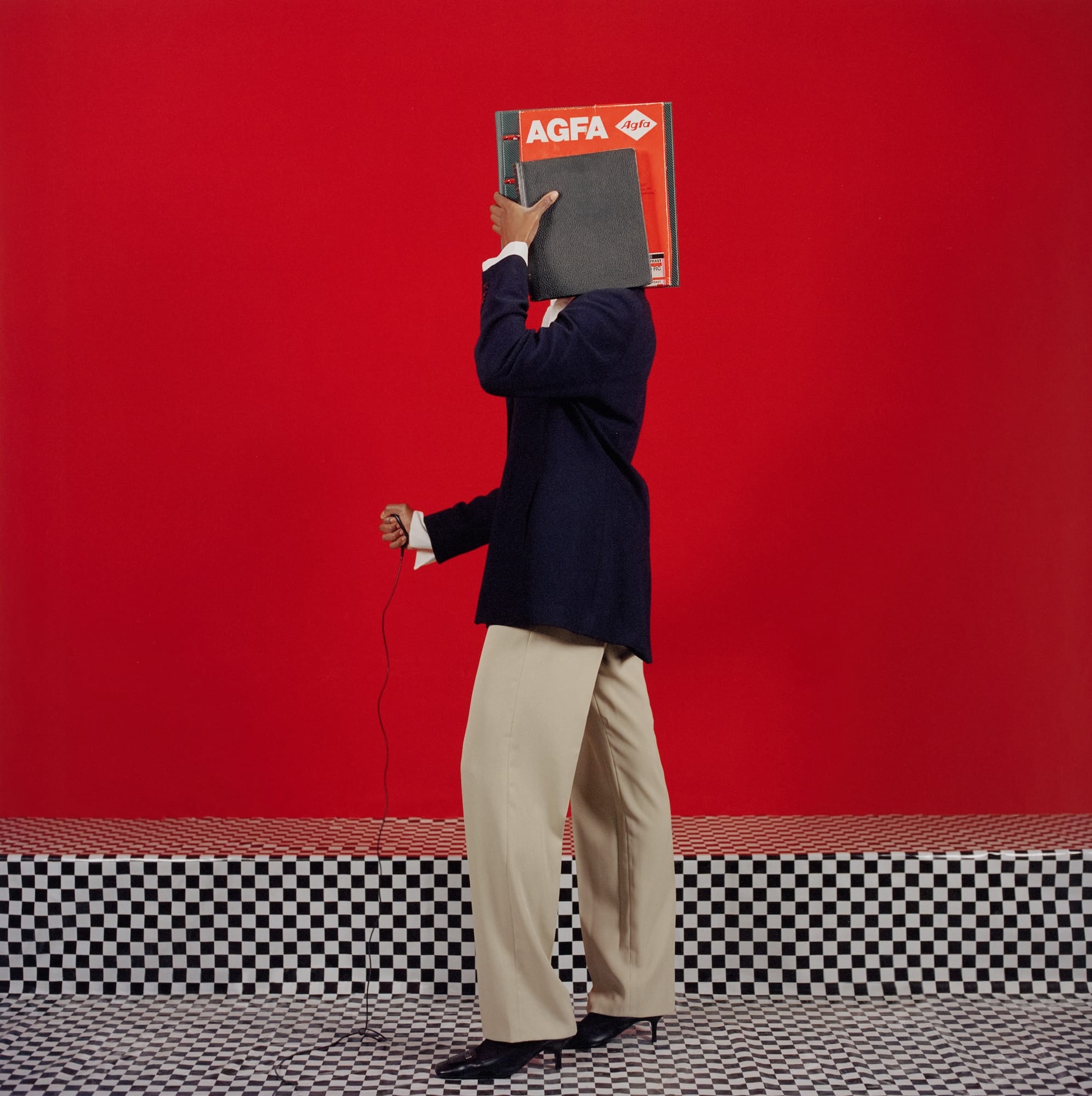
Visitors first encounter a fragmented triptych self-portrait by contemporary artist Silvia Rosi titled “Sposa togolese disintegrata (Disintegrated Togolese Wife)” (2024). Rosi’s work often features self-portraits where she captures herself using a shutter release, reimagining her family history and Togolese roots. This particular piece continues her exploration of memory, migration, and personal narrative through a disjointed grayscale image of a Togolese wife.
In Rosi’s work, the emphasis on the shutter release symbolizes aesthetic empowerment, a theme echoed in other portraits throughout the exhibition. Renowned portrait photographer Seydou Keïta’s images depict women interacting with radios, reclining, or engaging in close physical contact. Similarly, Ambroise Ngaimoko’s photographs capture intimate moments of individuals holding hands or embracing one another.
Malick Sidibé and Sanlé Sory offer a variety of studio portraits and candid snapshots, contrasting large and small formats that highlight their use as personal and community artifacts. Samuel Fosso’s African Spirits (2008) series, featuring self-portraits inspired by iconic figures like Malcolm X and Angela Davis, serves as a key focal point. Fosso bridges the gap between photographers like Keïta and a new generation represented by Rosi, illustrating the dynamic circulation of aesthetic ideas within the diaspora.
Dr. Onabanjo’s insightful curation challenges the viewer to reconsider traditional structures, such as categorizing artists by nationality. The exhibition provides a platform for the African diaspora to define itself, celebrating cultural identity and existence. Through this lens, portraiture becomes a political act, offering a foundation for reimagining and engaging with audiences in transformative ways.
Ideas of Africa: Portraiture and Political Imagination will remain on display at the Museum of Modern Art (11 West 53rd Street, Midtown, Manhattan) until July 25. The exhibition is curated by Oluremi C. Onabanjo alongside Chiara M. Mannarino.