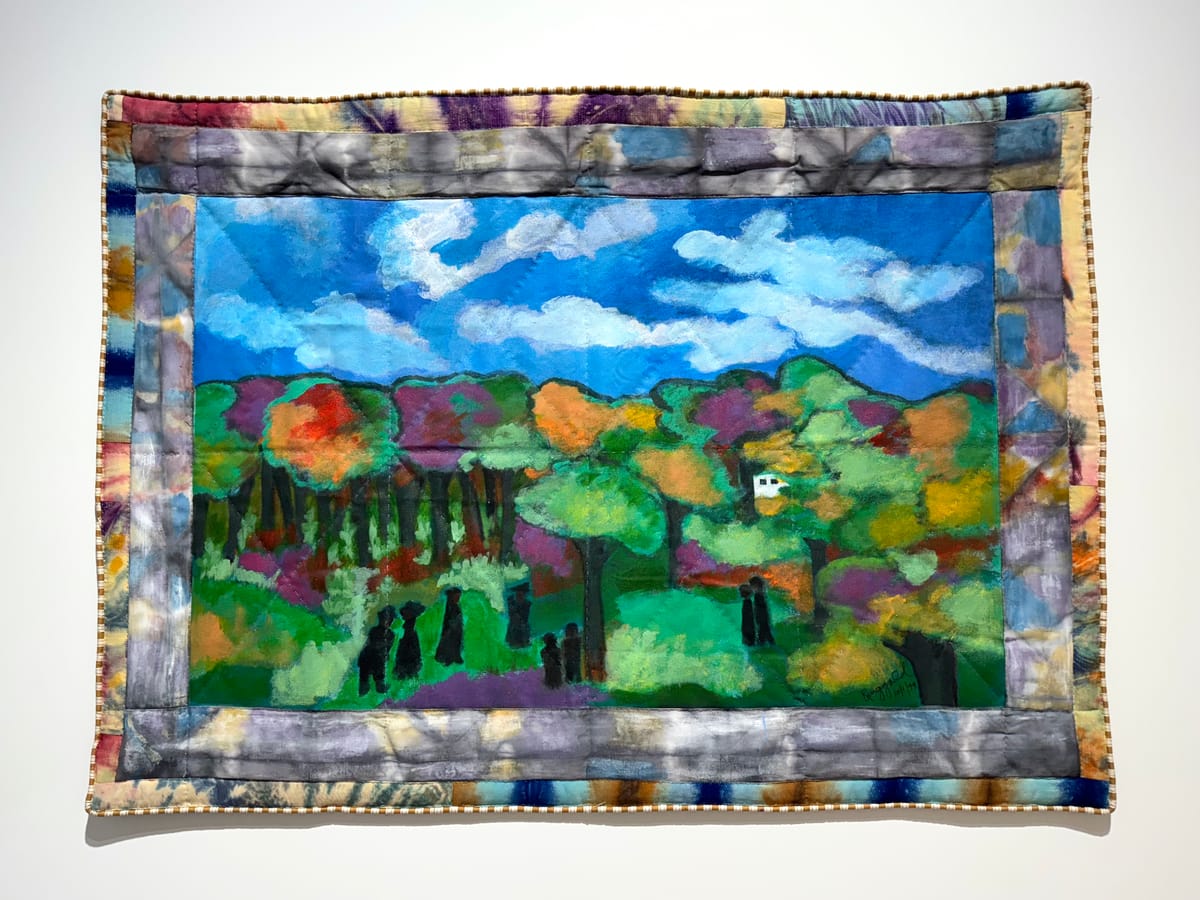
The rhythmic words of Faith Ringgold resonate through her stories, both in print and on quilts, with their bright and engaging language mirroring the visual allure of her art. The late Ringgold was a master storyteller and a visual artist, seamlessly blending prose with her formidable artistic skills. She explored the boundaries of fine art by using her craft to innovate in form, medium, and message, ensuring her textiles and vivid paintings received equal recognition.
My introduction to Ringgold began in childhood through her books for young readers, nestled in library corners as I absorbed “Tar Beach” (1991), about a Harlem girl’s flights of imagination. Her artwork continues to evoke joy, a feeling rekindled during a visit to her exhibition at Jack Shainman Gallery this November. Her story quilts and prints captivated me with their poems and narratives, rekindling the joy of learning history through art and marveling at her skill in weaving visual and narrative elements.
Born in New York City in 1930, Ringgold was a product of the Harlem Renaissance, her work heavily influenced by the politics and aesthetics of this cultural era. Her deep connection to Black history—its music, literature, and art—permeates her body of work. The 1973 “Slave Rape” series presents visceral interpretations of sexual violence, featuring depictions of Ringgold and her daughters on tapestries inspired by Tibetan thangkas.
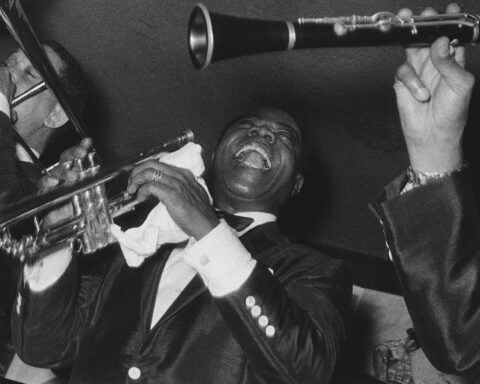
Ringgold’s “Jazz Stories” quilts (2004–7) celebrate the creative energy of jazz, portraying lively clubs filled with smoke and women passionately performing on stage. On quilts colored in black, red, and green, she paid homage to icons like Sojourner Truth, Harriet Tubman, and Martin Luther King Jr. The “Coming to Jones Road” series, spanning from 1999 to 2010, skillfully explores themes of life under enslavement and the path to freedom, as seen in “Coming to Jones Road Part II #4 Aunt Emmy and Uncle Tate” (2010), a powerful piece of microfiction.
Among the featured works is one of Ringgold’s renowned story quilts, blending humor and poignancy in a casual, narrative style. “The Bitternest #3: Lovers in Paris” (1987) tells the story of doomed lovers through 14 panels, capturing a spectrum of emotions from humor to tragedy. Her mixed media works with text and imagery evoke strong emotional responses, whether through humor, empathy, or other feelings. Ringgold’s varied artistic pursuits—author, illustrator, painter, quilter, sculptor, and activist—were a means to convey personal and political messages that underscore the immediacy and fragility of life. As a Black artist, she crafted evocative narratives that reflect the world around her.