While January 1 signifies the start of a new year, it also marks the expiration of copyright for numerous historical works, making them freely accessible for use, reinterpretation, and revitalization. Instead of getting lost in endless social media resolutions, let’s embrace the diverse array of treasures now in the public domain, such as Betty Boop’s first appearance, a novel by William Faulkner, a renowned painting by Piet Mondrian, and the beloved children’s book, The Little Engine That Could! 🥂
In the United States, copyright protection laws have evolved frequently, but a general rule is that works published between 1930 and 1978 enjoy a 95-year protection term from the year of publication. Once this term lapses, the works enter the public domain. This 95-year term has also applied to international works since 1996, even if they remain copyrighted in their original countries. For more detailed information, Cornell University Library offers a comprehensive table of protection terms.
With 1930 works now entering the public domain, animation fans can celebrate Betty Boop’s debut. However, it’s important to note that only her initial anthropomorphic French poodle form from Fleischer Studios’s “Dizzy Dishes” (1930) is now public domain. Her human form and subsequent appearances remain copyrighted, and her name and image are trademarked by Fleischer Studios.
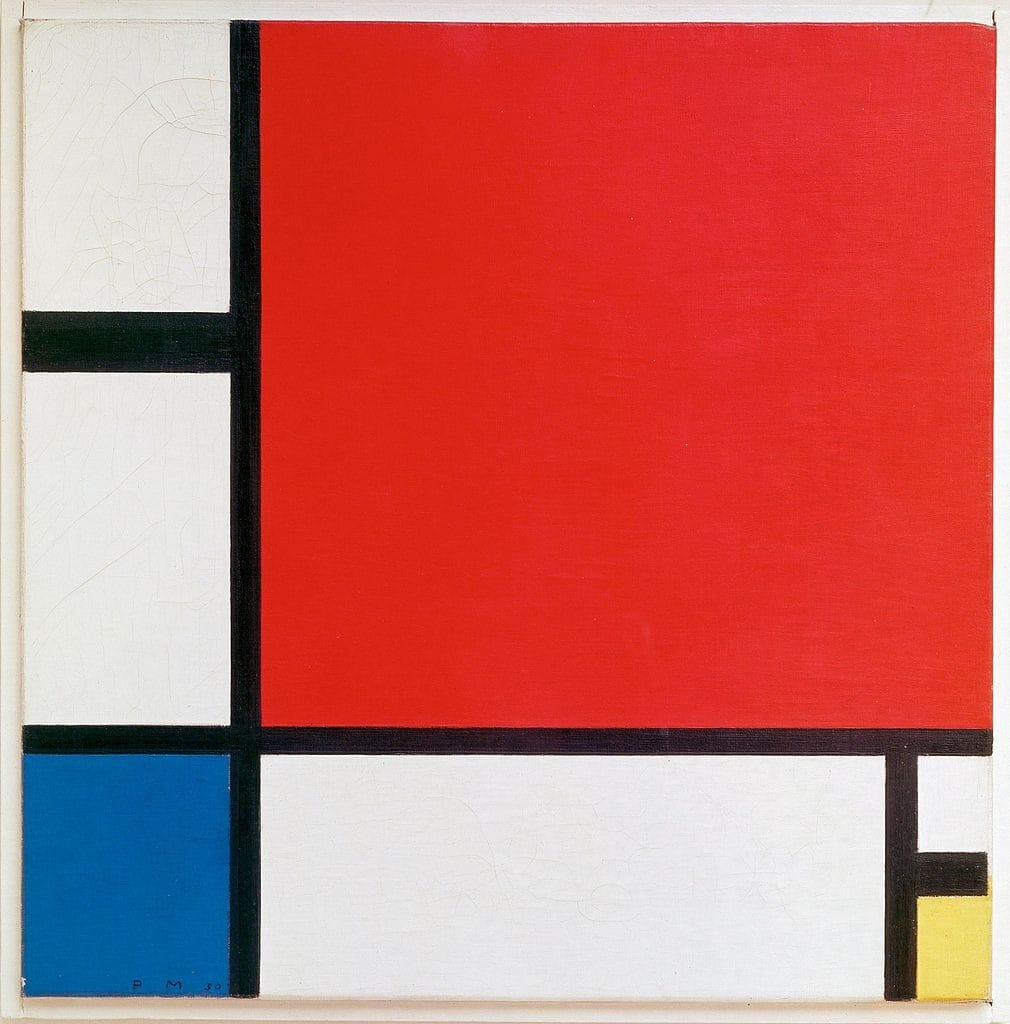
Regarding visual art, identifying retroactive copyright protections can be complex due to the gray area between creation and public dissemination. Duke Law School’s Center for the Study of the Public Domain has highlighted Piet Mondrian’s “Composition with Red, Blue, and Yellow” (1930) as a key addition to the public domain in 2026. This period of art history, spanning from Neoplasticism to Art Deco, is of significant interest. The painting is held in the collection of Kunsthaus Zürich, and further details are being sought.
In literature, Arnold “Watty Piper” Munk’s The Little Engine That Could (1930), illustrated by Lois Lenski, offers a positive message for the year ahead. For those inclined towards more somber themes, William Faulkner’s As I Lay Dying (1930) provides a darker narrative. Agatha Christie’s The Murder at the Vicarage (1930) also joins the list of notable works now in the public domain.
Cinema enthusiasts will find several 1930 films entering the public domain, including L’Age d’or, co-written by Salvador Dalí and Luis Buñuel, which was initially banned in Paris. Other films like Alfred Hitchcock’s Murder!, Greta Garbo’s Anna Christie, Lewis Milestone’s All Quiet on the Western Front, and the musical King of Jazz are also newly available. This era, soon after the introduction of sound in films and prior to the enforcement of Hollywood morality codes, was a pivotal time for the industry.
During challenging times, the works entering the public domain this year, shaped by the aftermath of World War I and the Great Depression, offer both solace and guidance. As the Little Engine famously encourages, “I think I can. I think I can. I think I can.”