Portraiture is a captivating genre in painting, offering a glimpse into the lives of people from centuries ago. These images bridge the gap to a seemingly unreachable past, adding a human dimension to cultures vastly different from our own. As our students often say, portraits are relatable.
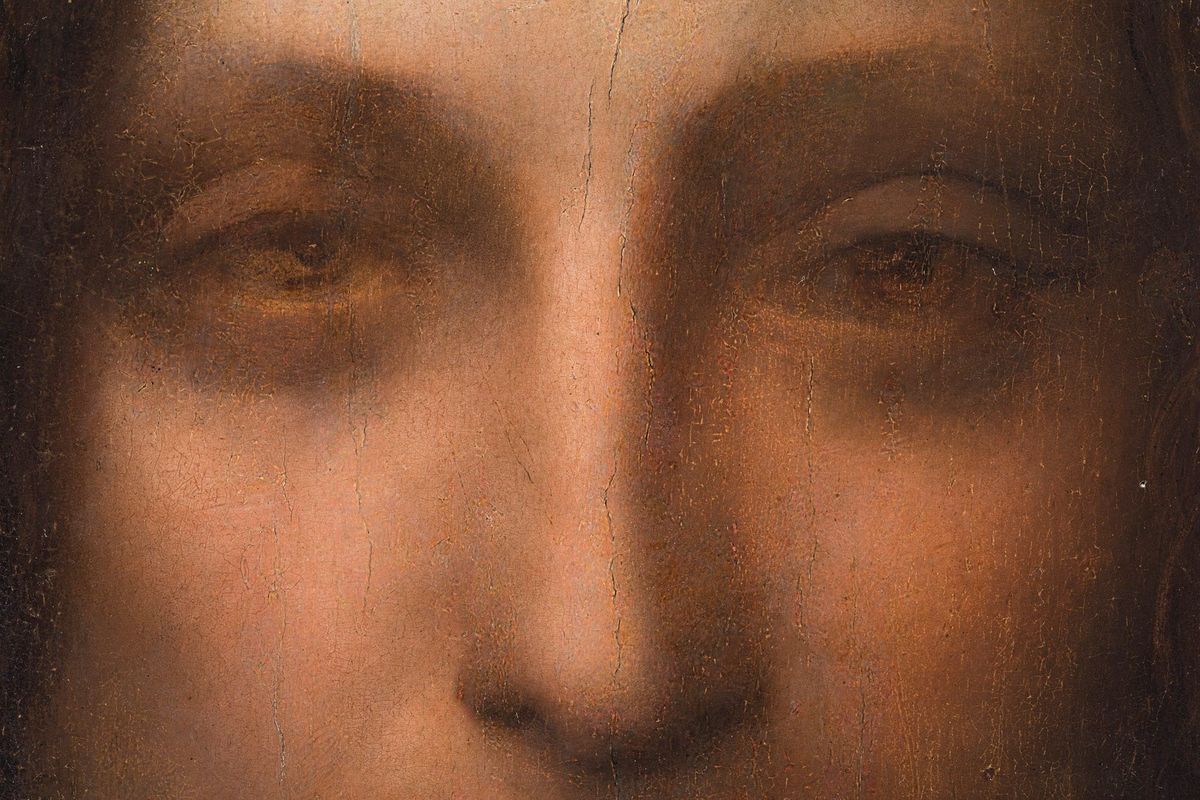
It’s no wonder, then, that the latest scientific discoveries, fueled by advanced imaging technologies, AI software, and medical diagnostics, frequently make headlines. Portraiture, with its lifelike qualities, draws scientists who see it as a potential source of evidence, allowing for psychological analysis or medical diagnosis. For example, research published in the Annals of Human Biology links Hapsburg portraits’ prominent jaws to inbreeding; a Nature Communications paper suggests trustworthiness increased in art from the National Portrait Gallery over five centuries; and a CNN article posits that Leonardo da Vinci’s art reveals an eye condition that may have contributed to his genius.
But what kind of evidence do portraits truly provide? Many studies mistakenly equate painted depictions with the actual people they portray. This assumption is not just erroneous; it’s absurd. Like any art form, a portrait is shaped by the expectations of patrons, the artist’s style, the norms of the era, and the intended audience and purpose. These factors cannot be isolated to expose the ‘true’ face of the subject.
Consider the study on the Habsburg jaw: the researchers examined 66 paintings from over a century, created by various artists across different regions and styles. The subtle measurements needed to diagnose a condition cannot be uniformly applied to such varied works. Moreover, royal portraits often emphasized lineage and legitimacy, sometimes by highlighting familial traits. Thus, a large jaw in Habsburg imagery might signify dynastic ties rather than an actual physical trait.
The assumption that facial expressions carry timeless meanings is another issue, as seen in a study linking ‘trustworthiness displays’ in portraiture to rising democratic values in Western Europe. The authors defined trustworthiness by facial features, but what does ‘trustworthiness’ mean? Such concepts vary widely across cultures and times. Furthermore, the study’s dataset, drawing heavily from portraits of elite white men, lacks representational diversity, leading to flawed scientific and historical interpretations.
Portraiture has been a focal point in art history, yet these scientific studies often overlook this scholarship, possibly viewing art history as too qualitative. However, art historians do engage with data, analyzing artworks, archives, and more. The metadata of a portrait, including its creation context and cultural background, play a crucial role in art historical analysis, revealing much about the work’s significance beyond mere visual representation.
There are significant differences between how art historians and scientists approach art data. Scientists may view paintings as direct reflections of reality, but art historians understand them as interpretative creations, influenced by subjective human perspectives. Historical figures like Johann Winckelmann and Francis Galton exemplify the dangers of ignoring this subjectivity, as their work fueled racial hierarchies and pseudoscientific beliefs.
Moreover, algorithms used in facial recognition are not free from bias. Studies like the one on ‘trustworthiness displays’ use programs trained on predominantly white datasets, which can perpetuate racial and ethnic biases. The reliance on such biased technologies, as highlighted by scholars like Ruha Benjamin and Safiya Umoja Noble, underscores the need for more inclusive and diverse data sources.
The rise of facial recognition technology in public and private spheres is a reality of modern life. The distortion of history and culture by such scientific studies, often in support of Western-centric narratives, is concerning. These studies risk teaching readers and students that representation equals reality, a perilous concept for those developing surveillance technologies and consuming these ideas through popular media.