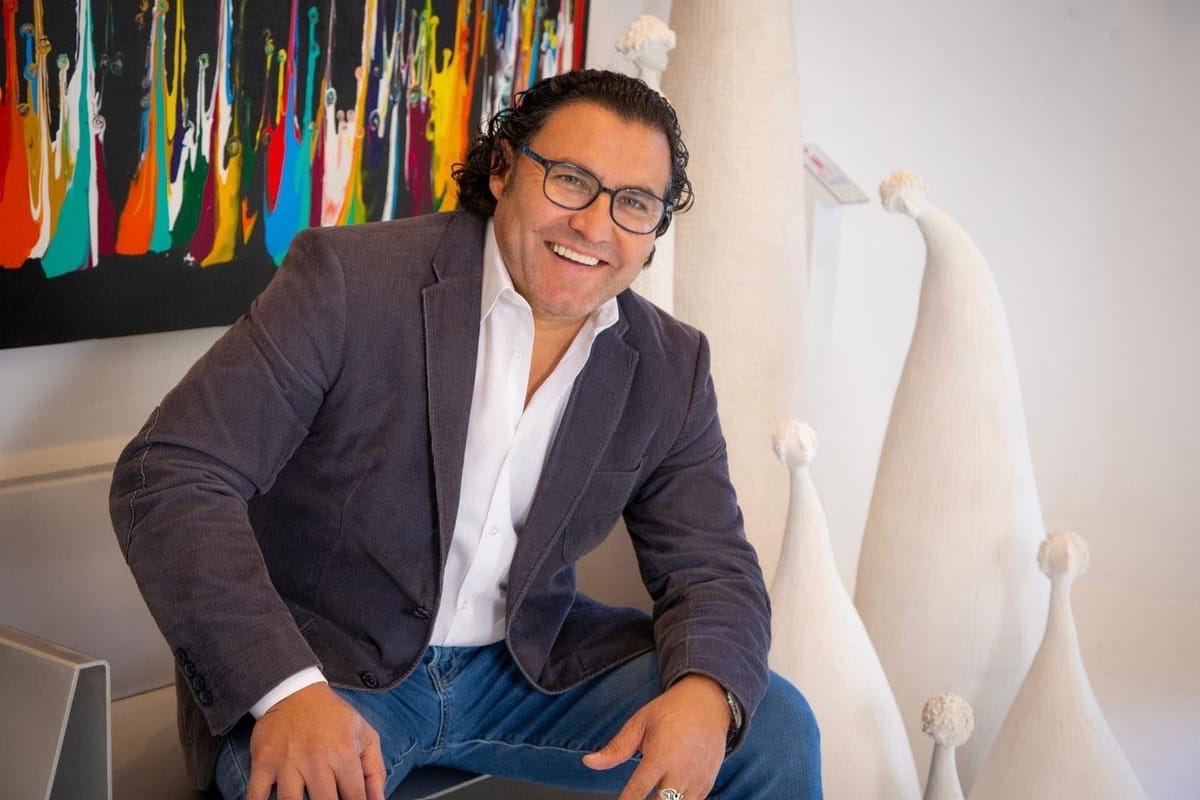
This spring marks a historic moment for El Salvador as it unveils its first-ever pavilion at the 61st Venice Biennale, occurring from May 9 to November 22. The nation will be represented by painter and sculptor J. Oscar Molina, who was born in El Salvador in 1971 and now resides in Southampton, New York. Molina’s exhibition, ‘Cartographies of the Displaced,’ will include 15 to 18 abstract sculptures from his ongoing series, ‘Children of the World,’ which depicts figures in motion.
The announcement of El Salvador’s participation comes amidst international criticism of President Nayib Bukele’s controversial policies, including alleged human rights abuses linked to his anti-gang campaign. Despite this, Molina has chosen to focus on the ‘migrant experience’ for his pavilion, drawing from his personal history of fleeing El Salvador during its civil conflict from the late 20th century.
Molina reflects on a turbulent past, recalling his displacement from a family farm due to civil unrest, which eventually led to his migration to the United States. By 16, he and his brother Abel embarked on a journey to the US, a story that has influenced his artistic practice. Having established a stone masonry business in Southampton, Molina later pursued art full-time, opening a contemporary gallery in 2022.
The pavilion is commissioned by Astrid Bahamond Panamá, the National Director of El Salvador’s Ministry of Culture, and curated by Alejandra Cabezas. Cabezas emphasized the importance of showcasing the depth and diversity of Salvadoran art on an international stage, aiming to highlight transnational identities and the migrant experience.
While the Venice Biennale has yet to officially confirm El Salvador’s involvement, several countries have already disclosed their selected artists. Molina’s aspiration for the exhibition is to transcend political narratives and foster a sense of global unity and understanding.