Museum education departments have long been guiding lights for making the arts accessible. Notable institutions in New York, including the Metropolitan Museum of Art and the Museum of Modern Art (MoMA), have established enduring programs for individuals with visual and auditory challenges, as well as for those with developmental disabilities and their families, creating transformative experiences through art. The Met has been conducting tours for blind and partially sighted visitors since the 20th century, launching a touch collection in the 1970s to facilitate interaction with otherwise inaccessible objects. Recently, MoMA has introduced Disability Art Chats, fostering online dialogues about art and disability with artists such as Johanna Hedva and Jerron Herman.
While not widely known among museum visitors, these programs are integral to New York City’s cultural institutions. Other museum departments are beginning to catch up with the groundwork laid by access teams over the years. These programs merit greater recognition within museum education, as the educators and advocates behind them are unsung heroes and community builders. As exhibitions increasingly explore disability as a facet of identity, with artists like Emilie L. Gossiaux, Marlon Mullen, and Christine Sun Kim, museum educators should be central to discussions about presenting disability in art history. Curatorial teams often lack the experience and knowledge to handle the field’s complexities.
Disability should not be a mere quota for exhibitions; it’s inadequate to simply showcase an artist with a disability or mention it in passing on a display label. Many curators and researchers are not immersed in disability studies, lacking familiarity with its social versus medical models, the history of disability rights in the U.S., or the work of scholars like Rosemarie Garland-Thomson and Tobin Siebers. This educational gap is a critical issue. Art history programs at universities often neglect to integrate disability studies into their curricula. Introductory courses on modern and contemporary art in the U.S. should incorporate the history of disability rights alongside art history milestones.
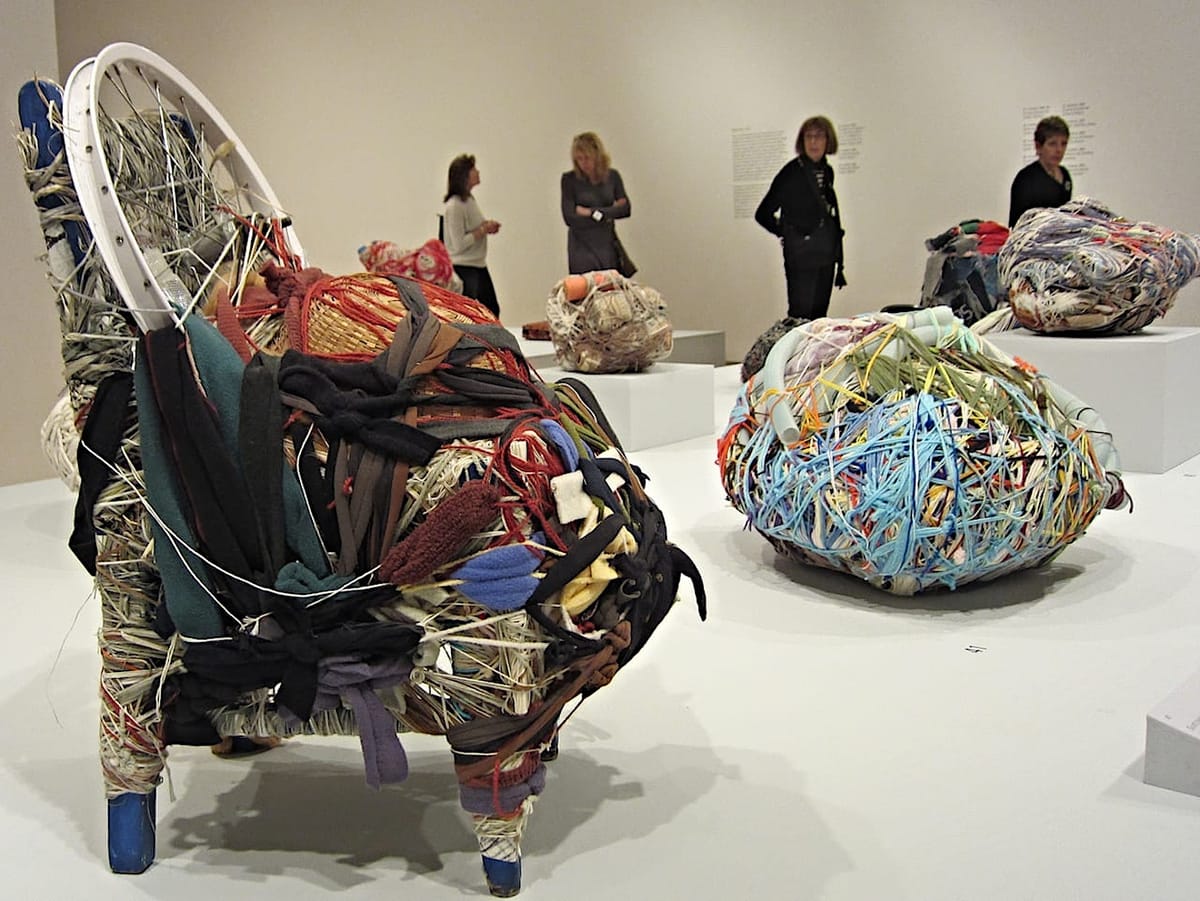
Students would benefit from learning disability theory in conjunction with frameworks like critical race theory, gender studies, and queer studies. Museum studies courses should emphasize the importance of ADA compliance — from accessible gallery routes and seating to optimal web design for screen readers — as a core part of a museum’s mission, rather than an afterthought. My recent course at the City College of New York on postwar art included discussions on Judith Scott’s work within the context of disability theory, highlighting the impact of disability rights legislation on her arts education and sparking student reflection on disability’s representation in the arts.
By embedding disability studies early in art education, universities can foster a deeper understanding of disability in the arts from the start of students’ careers. Museums can then educate their staff about disability’s role in the arts, offering resources to promote inclusivity. In 2024, the Guggenheim Museum’s collaboration with New York University’s Center for Disability Studies on the Alt-Guggenheim: Ramps symposium exemplifies progress through partnerships with disability studies experts. As disability affects many lives, art museums must address its presence in art history and ensure accessibility, affirming safety and visibility without tokenism.