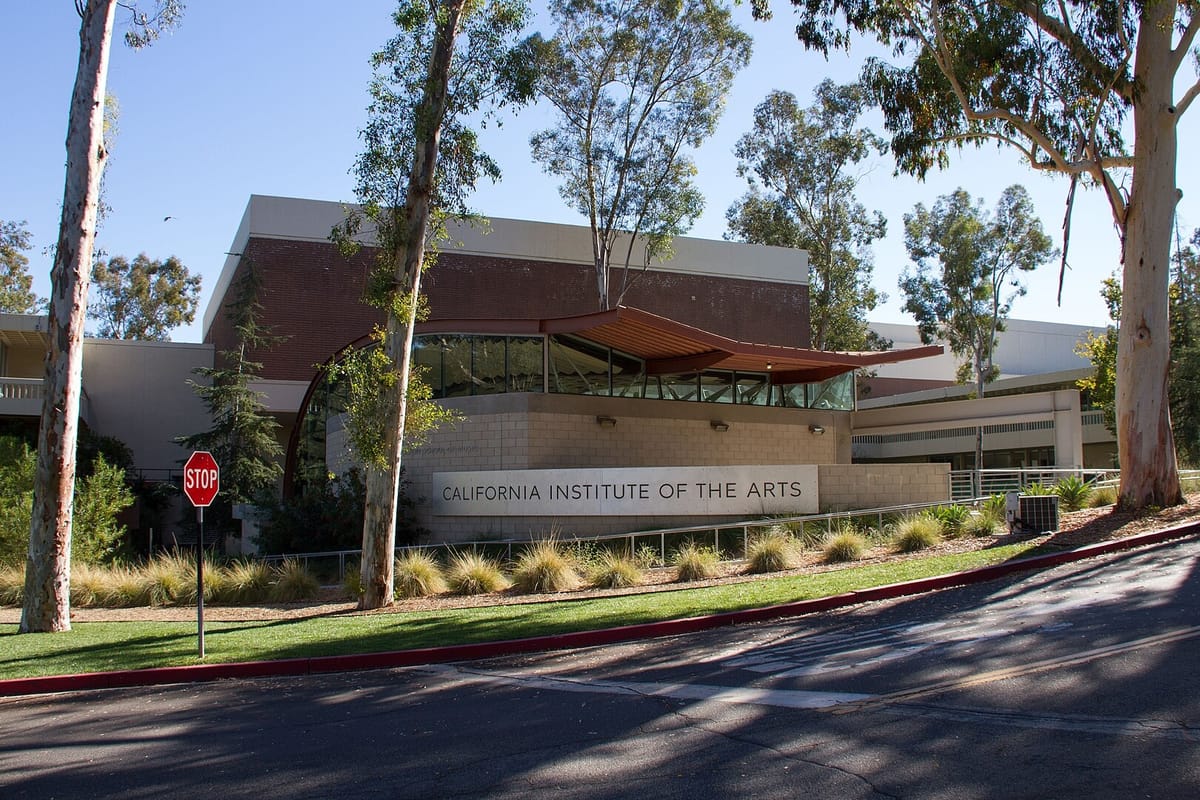
This summer, the California Institute of the Arts (CalArts), renowned for its arts education, executed a series of layoffs due to escalating financial demands. The Santa Clarita-based private institution dismissed nine administrative staff members in July, including five unionized and four non-union employees. The decision was part of a strategy to manage an anticipated $15 million budget shortfall.
According to a CalArts spokesperson, the reduction of nine positions, alongside the elimination of around a dozen unfilled roles, was essential to address the structural deficit. The aim is to focus resources on student services and align staffing with current and projected enrollments, ensuring continued excellence in educational offerings.
However, this decision has drawn criticism from faculty and staff, who fear it may impact the school’s capacity to foster future artists. Emily Lytle-Painter, a web and digital media producer at CalArts and union member, expressed disappointment, stating, “Everyone was disappointed in this having to happen at all when we’re working so hard to try to better serve the population.” She noted that alternative solutions were sought during discussions with the administration.
Tensions have been brewing since last fall when faculty and staff decided to unionize in response to stagnant wages and increased workloads. By December, a letter of intent was submitted to President Ravi Rajan to organize with United Auto Workers, representing about 600 employees. The union was officially ratified in April after elections in March.
CalArts has also been contending with declining enrollment, which dropped approximately 12% since the pandemic. Despite President Rajan’s claims of fiscal soundness in April, the school has enacted several cost-cutting measures, including hiring freezes and travel restrictions, saving $5.5 million. Yet, further headcount reductions were sought, leading to voluntary separation offers accepted by 32 employees. The union negotiated enhanced severance benefits for those laid off, as acknowledged by Rajan in a letter recognizing the emotional weight of these decisions.