William E. Wallace’s book, Michelangelo & Titian: A Tale of Rivalry and Genius, invites readers to consider the speculative relationship between two of the Renaissance’s greatest artists. Wallace, a renowned expert on Michelangelo and a professor at Washington University in St. Louis, diverges from his usual reliance on primary sources. Instead, he employs what he terms ‘informed imagination’ to weave a narrative about the possible interactions and mutual influences of Michelangelo and Titian, despite limited evidence of their connection.
While this imaginative approach might not meet the standards of traditional academic texts, Wallace raises an intriguing question about the boundaries of historical evidence. He emphasizes the importance of oral history, which, though unrecorded, played a vital role in shaping ideas and knowledge through discussions and observations. Wallace uses circumstantial evidence akin to mosaic theory in finance, connecting disparate pieces of information to suggest that Michelangelo and Titian shared a long-standing artistic influence despite only meeting twice.
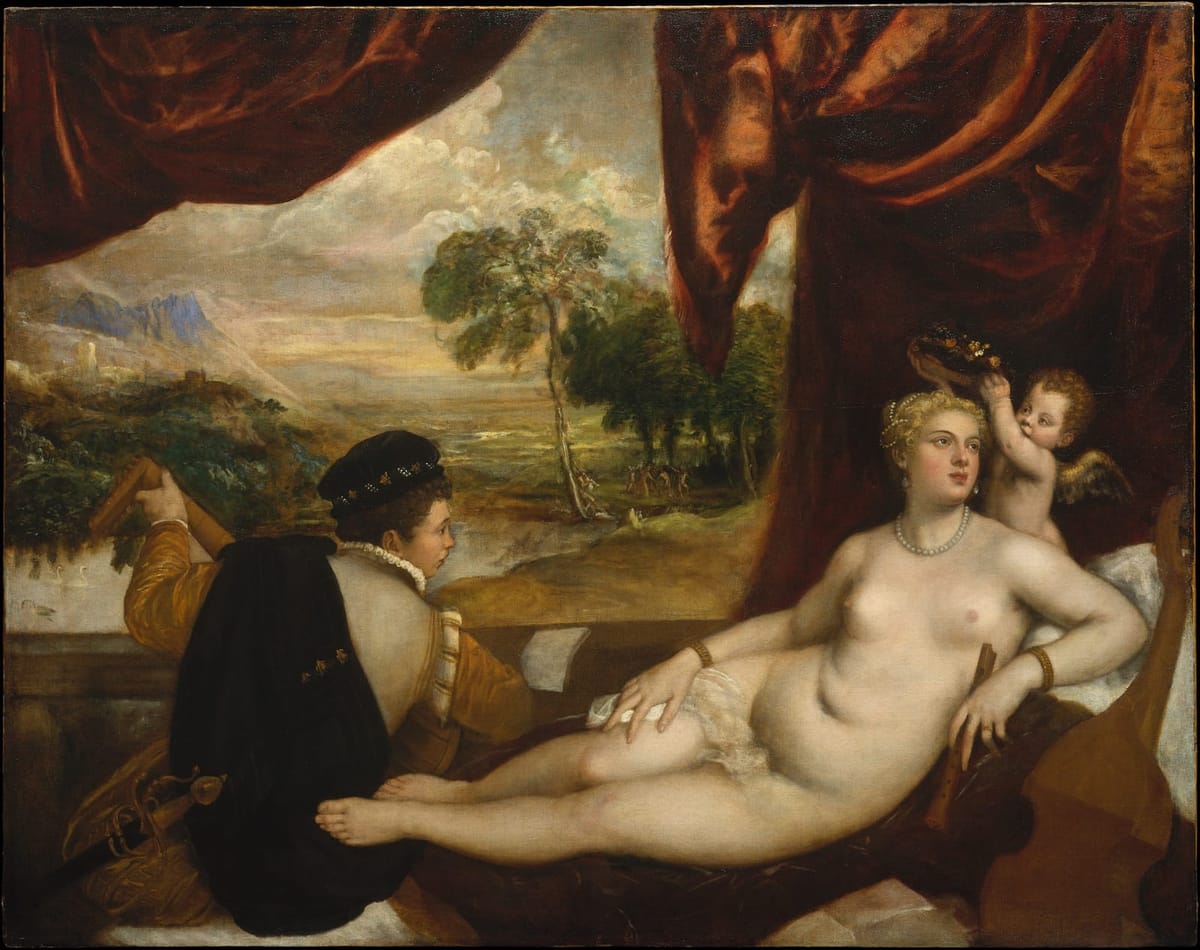
Wallace meticulously examines the artists’ movements and the political contexts that might have informed their work and interactions. He suggests, for instance, that Michelangelo’s creation of ‘Leda and the Swan’ was a response to seeing Titian’s ‘Bacchus and Ariadne.’ Although the claims come from a rich tapestry of inferences, the book lacks the footnotes often expected in academic works to substantiate such assertions.
Vasari’s Lives of the Artists, with its noted bias toward Michelangelo, serves as a key source for Wallace. He acknowledges this reliance but argues that even without direct communication, both artists influenced each other in a vibrant artistic milieu. Wallace posits that Michelangelo’s choice of pigments for ‘Last Judgement’ was inspired by Titian’s use of color, representing broader Venetian artistic contributions.
For those who appreciate a narrative flair, Wallace includes dramatized scenes, like Vasari escorting Michelangelo to Titian’s studio. His lively prose brings the Renaissance to life, offering an emotive and imaginative take on art history. Michelangelo & Titian: A Tale of Rivalry and Genius, published by Princeton University Press, will be available on February 3, 2026, online and in bookstores.