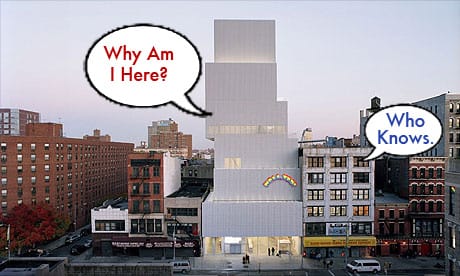
Art critic and blogger James Wagner recently criticized the New Museum, located on the Bowery in New York, by stating, “New Museum Commits Suicide with Banality.” This statement followed the museum’s announcement that it would showcase the collection of Dakis Joannou, a wealthy trustee. Adding to the controversy, the exhibition will be curated by Joannou’s close associate, Jeff Koons. Wagner argues that the museum’s artistic decline has been evident for some time.
Since its inception, the new New Museum has hosted exhibitions that, while trendy, seem disconnected from its foundational role as a reflection of New York City’s vibrant art scene. Consider the exhibit “After Nature,” which many, including myself, would prefer to forget. The inclusion of a Michelle Obama portrait post-election in an Elizabeth Peyton show was another attempt at trendiness that felt out of place.
The recent “Younger Than Jesus” exhibition further highlighted the museum’s unusual trajectory. Despite featuring talented artists like Ryan Trecartin, the show’s focus on artists under 33 seemed arbitrary. This age group is neither underrepresented nor marginalized; they’re frequently showcased in galleries and art fairs, unlike their older counterparts who lack similar representation.
While some critics praised the exhibition, calling it “flawed but tantalizing” or “buzzy and international,” others, like Stephen C. Squibb, offered more critical perspectives. At 35, I found myself between generational sentiments but eventually recognized the show as a relic from a pre-recession era, where collectors sought young, promising artists to bolster their portfolios.
In today’s context, the museum seems to pivot towards serving the interests of wealthy collectors directly. The possibility of adding residential units for collectors above the museum could be the next step, funded by the public and underpaid staff. This shift reflects a trend towards blending commercial and intellectual pursuits in art, despite internal dissent among some museum staff.