Amidst global outcry over the conflict in Gaza, Israel’s pavilion at the Venice Biennale has come under scrutiny for allegedly using art to gloss over the nation’s controversial actions. Two months before the 2024 Biennale, the Art Not Genocide Alliance (ANGA) petitioned for the pavilion’s removal, labeling it as a representation of a state committing atrocities against Palestinians. Despite significant protests, the artist Ruth Patir and curators Mira Lapidot and Tamar Margalit displayed a sign declaring the pavilion would only open following a ceasefire and hostage release agreement.
Patir sidestepped inquiries about whether the pavilion would now open, as these conditions seem to have been met, thus avoiding engagement with anti-Zionist and Palestinian voices. This allowed her to maintain a facade of moral integrity while still benefiting financially from the Biennale, funded by Israel’s budget of approximately $530,928. Meanwhile, the Jewish Museum in New York acquired her work, (M)otherland, for an undisclosed sum.
In response to the 2024 controversy, the Israeli government mandated that artists ensure the pavilion remains open despite protests, shifting the focus from artistic expression to visibility. The Venice Biennale management has been criticized for accommodating the Israeli pavilion by allowing it to be housed in the Arsenale, a space historically associated with military might. Romanian-Israeli artist Belu-Simion Fainaru was chosen to represent Israel, his work aligning with the government’s objectives.
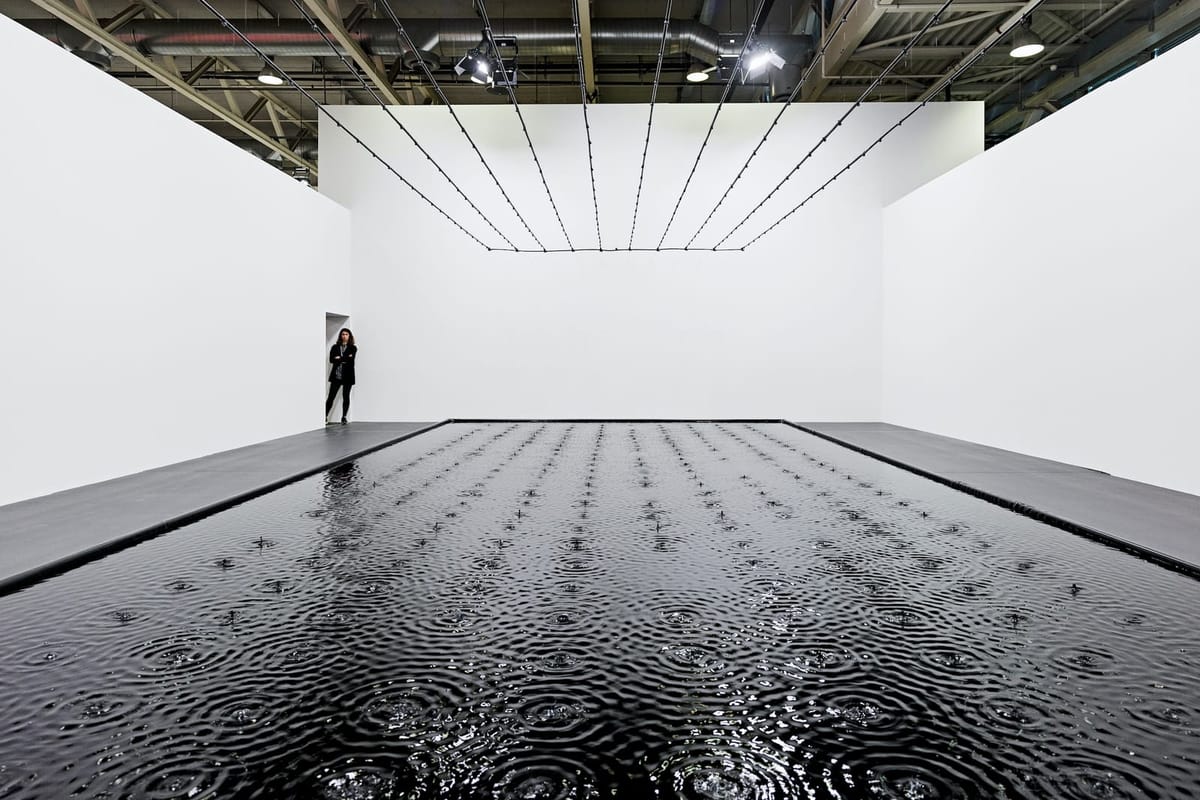
Fainaru’s installation, “The Rose of Nothingness,” references Israeli irrigation technology, which has been criticized for contributing to water scarcity for Palestinians. The work avoids addressing the current geopolitical tensions, instead focusing on themes of Jewish resilience and innovation.
The Biennale’s decision not to exclude the Israeli pavilion highlights the ongoing debate about the role of art in political conflicts. Critics argue that the event’s stance reflects a reluctance to confront political realities and a preference for maintaining neutrality, despite historical precedence for political engagement in the art world.