For centuries, museums have employed pesticides and preservatives to safeguard collections from pests and decay. However, as cultural repatriation gains traction due to historical injustices, this long-standing practice is facing renewed scrutiny. Tribal communities involved in repatriation efforts are now grappling with concerns over safely handling and utilizing potentially contaminated items.
Since the establishment of the Smithsonian Institution’s National Museum of the American Indian in 1989 and the Native American Graves Protection and Repatriation Act’s enactment in 1990, museums have confronted challenges with sacred Indigenous artifacts and remains tainted by toxic substances. Alex Lucas, NAGPRA’s interim repatriation coordinator at the University of California, Berkeley, noted an increased awareness among museum professionals about the cultural significance and living nature of these objects.
The National Park Service identified over 50 substances, including arsenic and mercury, used in American museums since the 18th century. Although museums have shifted towards safer pest control methods, the risk of contamination in repatriated objects remains significant. Eric Hollinger from the Smithsonian’s National Museum of Natural History emphasized the assumption that all items might be contaminated due to their historical treatment.
Contamination poses health risks for tribal members wishing to reintegrate items like regalia into cultural practices. Concerns also exist about the potential environmental impact of reburial of treated remains. Nancy Odegaard, conservator at the Arizona State Museum, highlighted that, before NAGPRA, the focus was on the visual impact of pesticides, not their human hazards, as it was unexpected that these items would leave collections.
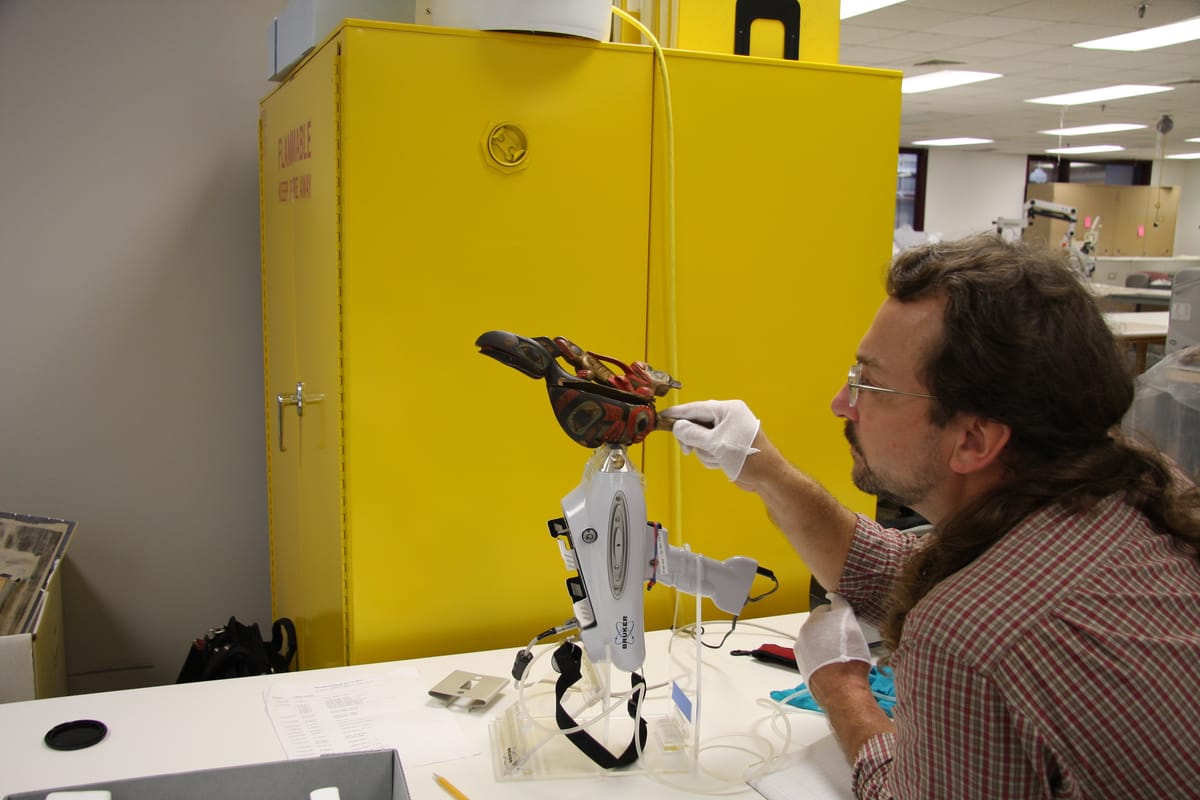
Technological advances such as X-ray fluorescence (XRF) are used to detect specific elements like mercury and arsenic, but limitations exist. Lisa Bruno of the Brooklyn Museum noted that tribal communities are keen on understanding potential contaminants, including those from pigments. However, some tribes view such testing as intrusive, with Melodi McAdams of the United Auburn Indian Community advocating for alternative, less invasive methods. These include reviewing records and conducting interviews to ascertain contamination history, ensuring informed and respectful repatriation practices.