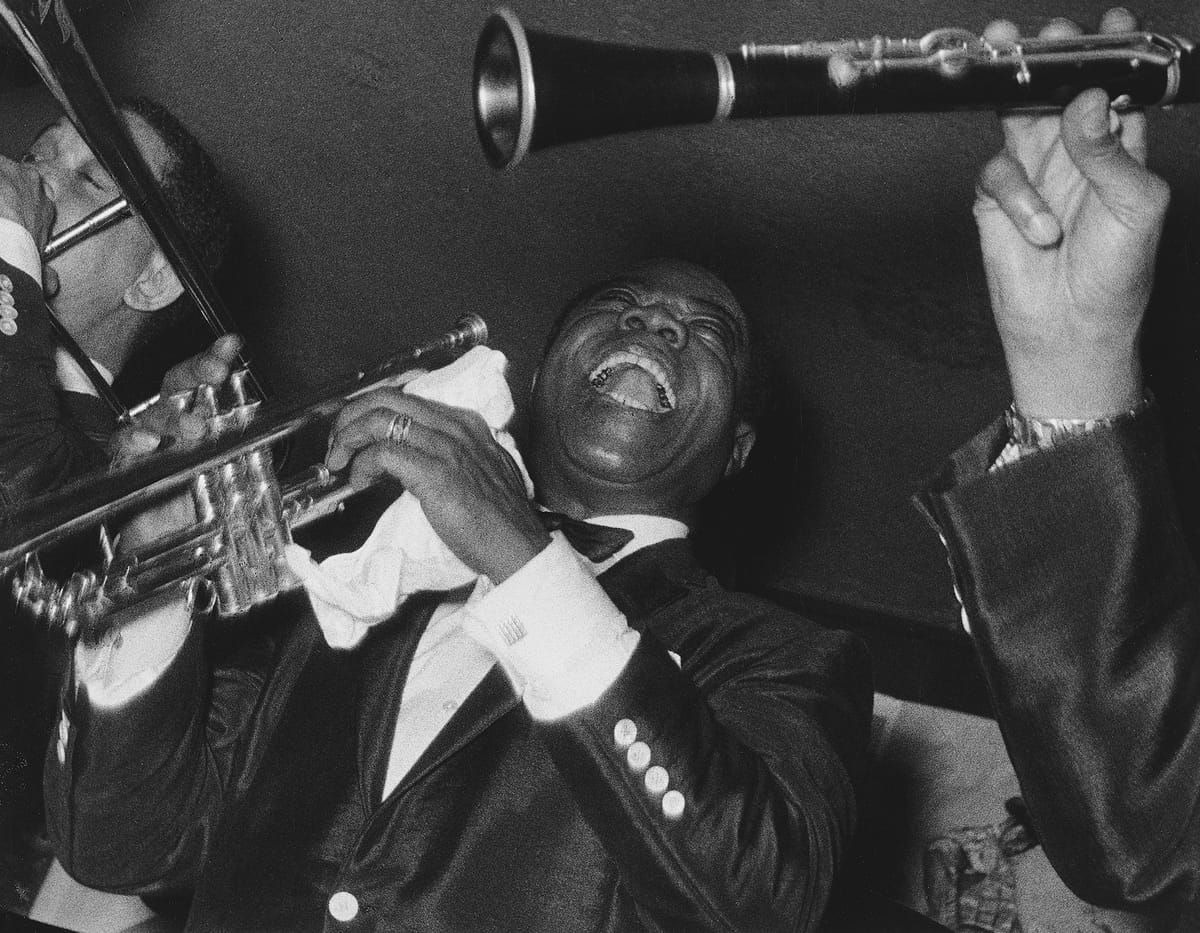
While Lisette Model is celebrated through numerous books and exhibitions, the most extensive collection of her work was long kept under wraps: over a thousand photographs documenting the East Coast jazz scene from the early 1940s to 1959. Far from a casual observer, Model immersed herself in this vibrant world, capturing legendary figures like Billie Holiday, Louis Armstrong, Ella Fitzgerald, Duke Ellington, Miles Davis, and Dizzy Gillespie. Why these images remained concealed is explored by Audrey Sands, associate curator of Photography at the Harvard Art Museums, in the revealing book, Lisette Model: The Jazz Pictures (2025).
Model’s journey began in Vienna, born in 1901 to a Jewish family. Initially pursuing a career in music, she studied under the avant-garde composer Arnold Schoenberg, whom she considered her major influence. Her musical path ended in 1933 due to vocal issues and the rise of the Nazis, prompting her shift to photography for survival. In 1938, as Schoenberg’s work was condemned in the Nazi Degenerate Music exhibition, Model fled to the United States, arriving in New York amid the jazz boom. The jazz photographs differ from her other work, capturing the lively spirit of musicians with warmth and energy.
Keen to publish these images in a book, Model enlisted Langston Hughes to write an accompanying essay, but the project stalled during the 1950s Red Scare. As an outspoken leftist and Jewish refugee, Model, like others in the jazz scene, faced scrutiny. Her documentation of racially integrated events highlighted the intersection of McCarthyist persecution and racial prejudice. The FBI’s crackdown on the Photo League and surveillance of Model curtailed her career, while the pressures on Hughes prevented him from completing his essay.
Model’s attempts to document Billie Holiday’s funeral in 1959 marked the end of her jazz photography, as she was overwhelmed by grief and guilt over the singer’s death, which she attributed to government harassment. Fearful for her safety, Model erased her jazz work from her public narrative, clinging tightly to her story for the remainder of her life. This “collapse of a vision of American possibility,” as Sands describes, echoes in today’s societal climate, with the book serving as a reminder of past repressive periods.
The release of Lisette Model: The Jazz Pictures, published by Eakins Press Foundation with contributions from Langston Hughes, Audrey Sands, and others, stands as a belated victory against this dark chapter in American history. As Hughes poignantly notes, “To me, jazz is a montage of a dream deferred.” The book is available online and in bookstores, offering a poignant reflection on art, politics, and resilience.