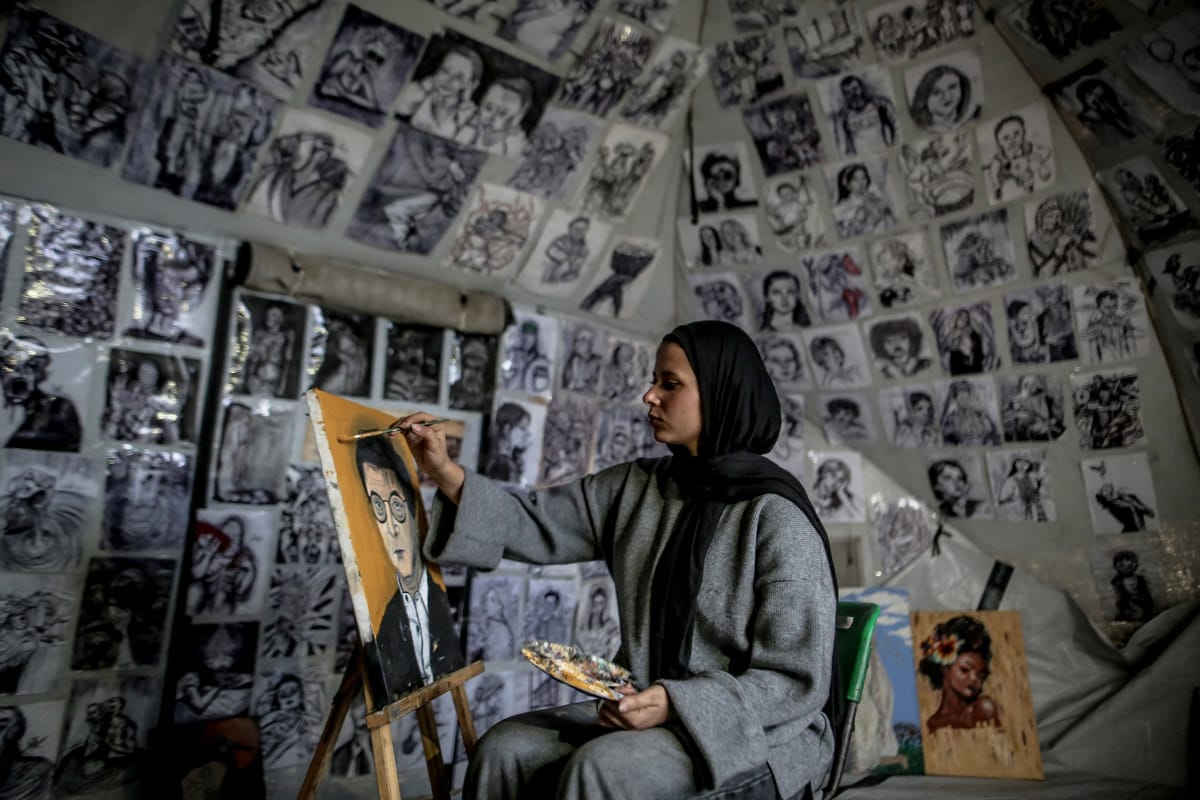
This week features an array of stories, from an 18-year-old painter in Gaza to anti-ICE art sleds in Minnesota, and the captivating show ‘Heated Rivalry.’ Molly Fischer of The New Yorker delves into the journey of filmmaker Bacha, who documented Mamdani’s path before his mayoral bid. Bacha recounts asking Mamdani about his ambitions, only to be told, ‘No, there’s no ambition. This is just what we do for each other.’ In September 2024, Mamdani revealed his mayoral plans to her, prompting continued filming despite past documentary cautionary tales like ‘Weiner.’
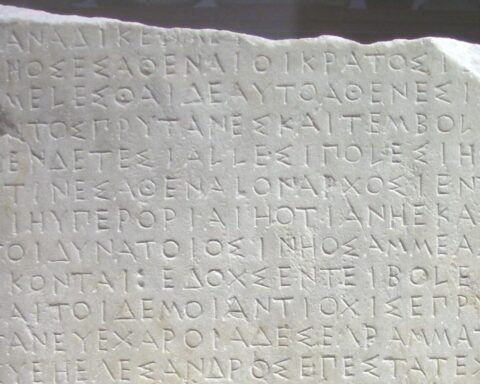
In a thrilling discovery, archaeologists have uncovered a basilica referenced in ancient Roman architect Vitruvius’s writings, as reported by Christian Thorsberg in Smithsonian magazine. The structural details perfectly align with Vitruvius’s designs, leading Andrea Pessina, regional archaeological superintendent, to assert a confident match, even amid the uncertainties of archaeology.
Pesala Bandara reports for Peta Pixel on a photographer’s remarkable find of undeveloped 70-year-old film in a second-hand camera, revealing post-war Switzerland scenes. The film, developed by Ian Scott of Salisbury Photo Centre, unveiled images of a family and skiers at Badrutt’s Palace Hotel, St. Moritz, unseen for decades.
Pablo Meriguet uncovers the premeditated nature of Honduran activist Berta Cáceres’s assassination in People’s Dispatch, linking it to corporate and political entities connected to the Agua Zarca project. The GIEI’s investigation highlights evidence of money transfers and offshore accounts implicating DESA executives and the Atala family.
In Boston Review, Deborah Chasman interviews Robin D. G. Kelley on ICE’s role in Renee Good’s death, exploring broader implications of police accountability under changing administrations. Kelley argues for abolishing police and creating new institutions for genuine safety, reflecting on the impact of recent policy shifts.