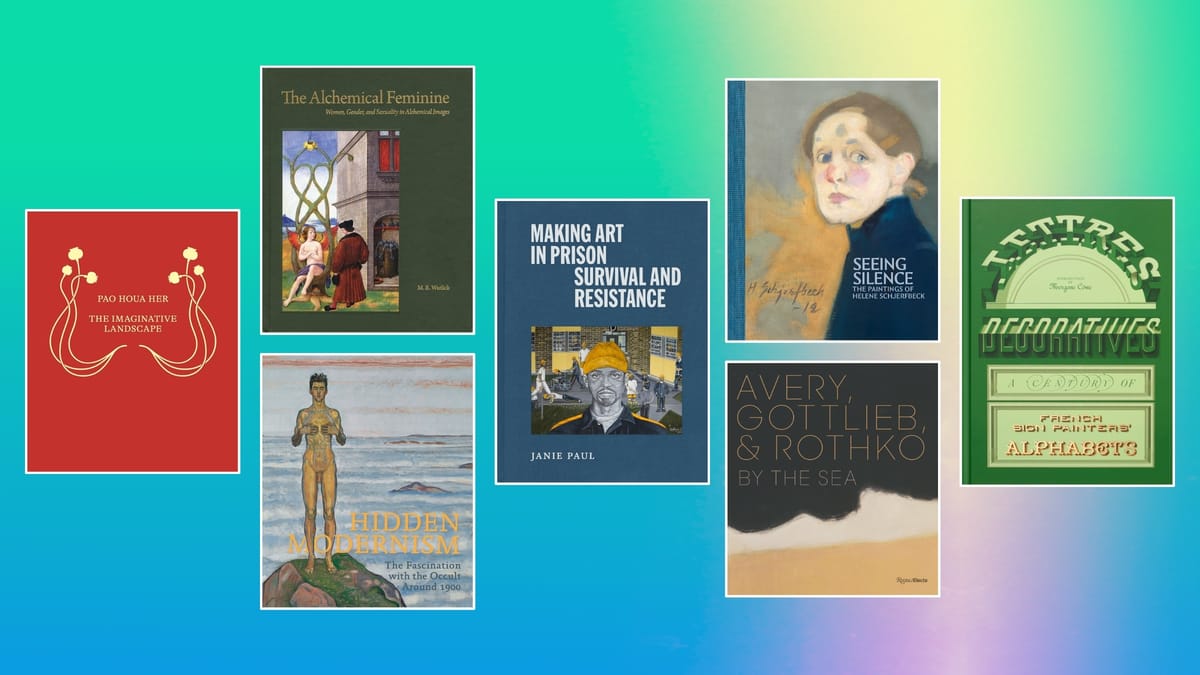
As March arrives, the promise of reading outdoors grows closer, ushering in a fresh batch of art books perfect for springtime exploration. For admirers of the Helen Schjerfbeck exhibition at The Met, the accompanying catalog is now available. Janie Paul’s work receives a timely reissue alongside a longstanding exhibition on art by those incarcerated in Michigan. Also, delve into intriguing themes like gender in medieval alchemical imagery and the occult’s impact on modernism. These selections and more await your perusal. —Lakshmi Rivera Amin, associate editor
Seeing Silence: The Paintings of Helene Schjerfbeck, edited by Dita Amory | Metropolitan Museum of Art, January
While examining the works of female artists, I often find myself wondering why they aren’t more widely known. The Metropolitan Museum of Art’s exploration of Finnish modernist Helene Schjerfbeck addresses this gap. Her intense portraits, culminating in self-portraits from her later years, reveal a rare honesty. This catalog, featuring essays by Dita Amory and Anna-Maria von Bonsdorff, challenges past perceptions of Schjerfbeck as delicate, offering a clearer view of her impactful life and career. —Lakshmi Rivera Amin
Lettres Décoratives: A Century of French Sign Painters’ Alphabets by Morgane Côme | Letterform Archive Books, February
This book has something for everyone. For history buffs, Lettres Décoratives provides well-researched insights into the development of French sign-painting from the 19th century onward. Alternatively, you might enjoy the stunning visuals—signs and journal extracts from the late 19th to mid-20th century are so captivating, they might bring you to tears. From Art Nouveau designs to complex advertisements, this collection celebrates a bygone era of aesthetic dedication. —Lisa Yin Zhang
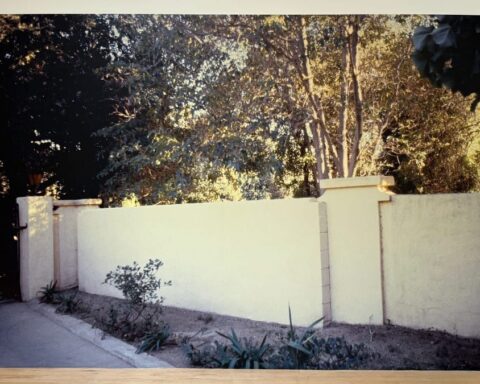
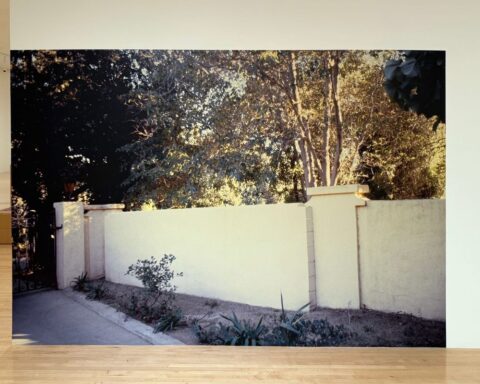
Pao Houa Her: The Imaginative Landscape, edited by Lauren Dickens | Inventory Press, San José Museum of Art, and Kohler Arts Center, February
Photographer Pao Houa Her captures the spirit of the Hmong diaspora, rooted in Laos yet thriving in the US. Her work uses photography to forge connections and rebuild dreams, often touching on the elusive American dream, while infusing her creations with a fresh sense of possibility. —Hrag Vartanian